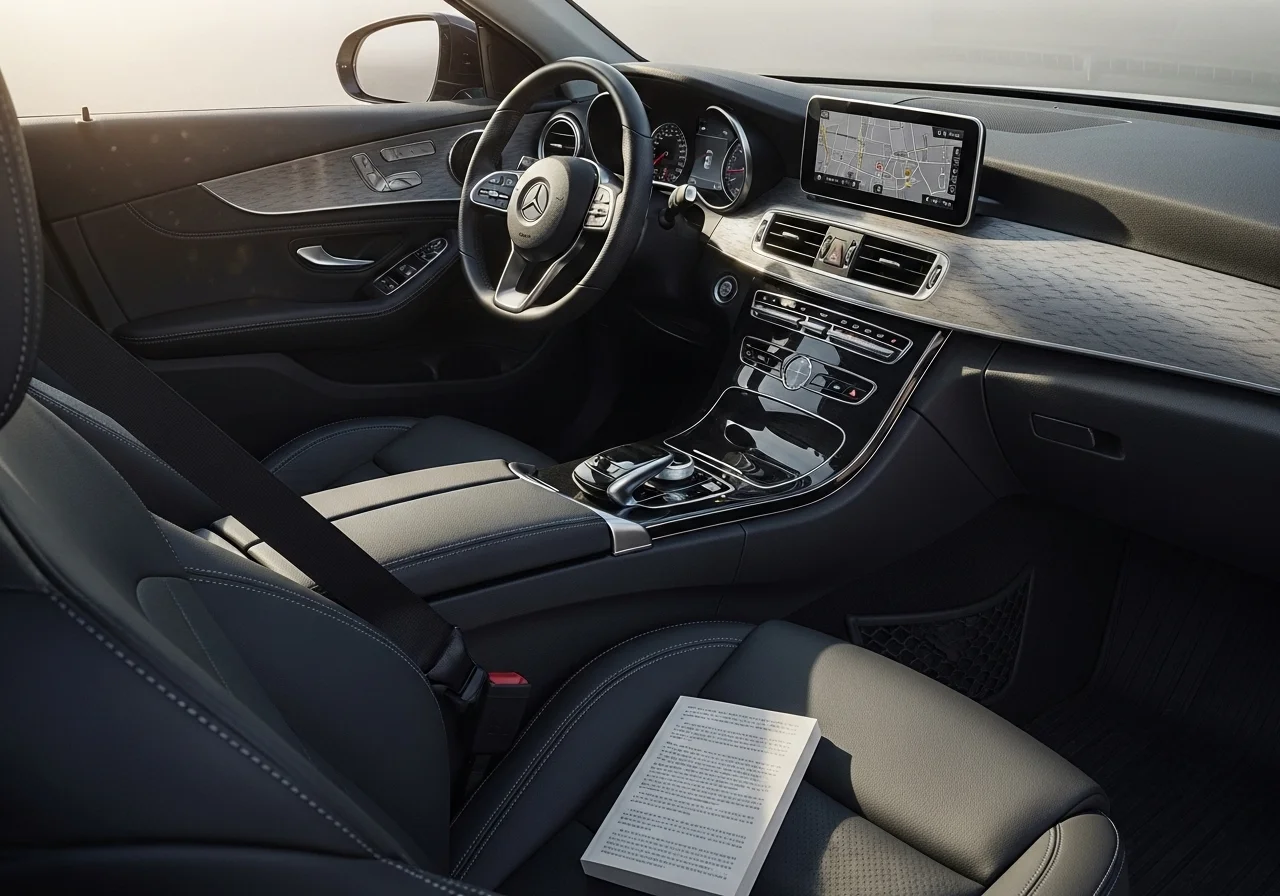
The automotive world is moving faster than ever, and one of the most exciting developments is the arrival of Cars with Level 3 autonomous driving. For decades, self-driving technology felt like something reserved for science fiction movies. Today, it is becoming a reality on public roads, although in a highly controlled and regulated way.
Drivers around the world are increasingly curious about how autonomous vehicles work, which models offer the technology, and whether they can truly drive themselves. While fully self-driving cars are still a future goal, Level 3 automation represents a major leap forward in vehicle intelligence and convenience.
What Is Level 3 Autonomous Driving?
To understand why Level 3 technology is such a significant milestone, it helps to understand the different levels of vehicle automation. Level 3 automation allows a vehicle to handle driving tasks under specific conditions without constant driver supervision. Unlike Level 2 systems, where drivers must continuously monitor the road, Level 3 systems legally permit drivers to take their eyes off the road when the system is active and operating within approved conditions.
This capability makes Cars with Level 3 autonomous driving unique because the automaker assumes responsibility for the vehicle’s actions while the system is engaged. This shift in liability is one of the main reasons why manufacturers have introduced the technology cautiously and only in approved regions.
Why Is Level 3 Technology So Important?
The arrival of Level 3 automation marks a turning point in automotive history. It bridges the gap between advanced driver assistance systems and true self-driving vehicles. Imagine being stuck in slow-moving highway traffic and being able to relax, answer emails, or enjoy entertainment while your car manages acceleration, braking, and steering. That is the promise of Level 3 technology.
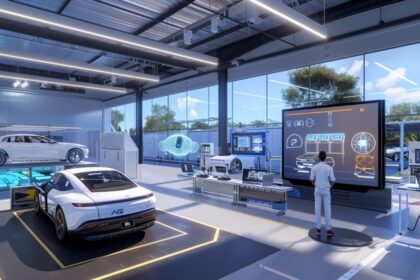
Beyond convenience, these systems rely on sophisticated sensors, cameras, LiDAR technology, radar units, and highly accurate mapping data. Together, they create an environment where the vehicle can safely monitor traffic conditions and react accordingly. Because of these advanced capabilities, Cars with Level 3 autonomous driving are currently among the most technologically advanced vehicles available to consumers.
Mercedes-Benz DRIVE PILOT: The Industry Leader
Mercedes-Benz has achieved a historic milestone by becoming the first automaker to commercialize a legally certified Level 3 autonomous driving system for consumers in the United States and several international markets. The company’s DRIVE PILOT system is currently available on the Mercedes-Benz S-Class and EQS models, including both sedan and SUV variants. The technology operates on specific divided highways in California and Nevada. However, the system is designed for highly controlled situations. It works primarily in congested traffic at speeds below 40 mph, requires clear weather conditions, and needs a vehicle ahead to follow.
To enable DRIVE PILOT, buyers must order vehicles equipped with specialized hardware from the factory. This includes LiDAR sensors and highly precise GPS systems. Access to the technology is provided through the Mercedes-Benz DRIVE PILOT subscription program. For many experts, Mercedes-Benz represents the current benchmark for Cars with Level 3 autonomous driving, demonstrating how autonomous technology can be safely integrated into everyday driving.
BMW Personal Pilot L3
The technology made its debut in the BMW 7-Series luxury sedan, showcasing the brand’s commitment to innovation and intelligent mobility. Like the Mercedes system, BMW’s Level 3 technology is designed primarily for congested traffic situations. It allows drivers to divert their attention from the road when operating within approved conditions and speeds up to 37 mph (60 km/h).
At present, BMW’s Personal Pilot L3 is available only in Germany. However, the company has indicated plans to expand the technology into additional markets as regulations evolve and approvals are secured. The launch demonstrates that more premium manufacturers are moving toward a future where autonomous driving becomes a standard feature rather than a luxury novelty.
Honda SENSING Elite
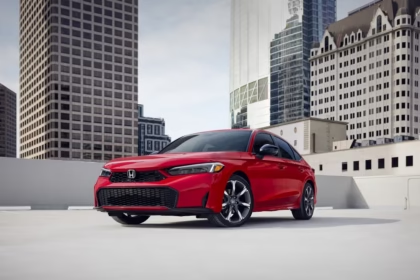
Honda made headlines by becoming one of the first automakers in the world to receive regulatory approval for Level 3 autonomous technology. The system, known as Honda SENSING Elite, was introduced in Japan through a limited-lease version of the Honda Legend sedan. Its key feature, Traffic Jam Pilot, allows the vehicle to take over driving duties during congested highway traffic. This capability reduces driver workload and provides a glimpse into the future of everyday transportation.
Although availability remains limited, Honda’s achievement proved that Level 3 technology could move from development laboratories to real-world roads. The Honda Legend remains an important milestone in the evolution of Cars with Level 3 autonomous driving, highlighting the growing confidence regulators have in advanced automation systems.
Why Aren’t More Level 3 Vehicles Available?
Unlike Level 2 systems, where drivers remain fully responsible for monitoring the road, Level 3 automation shifts part of that responsibility to the manufacturer. This creates significant legal and insurance challenges.
Additionally, governments must carefully evaluate these technologies before allowing public deployment. Every system undergoes extensive testing to ensure it can safely handle real-world traffic situations. Because of these factors, automakers continue to introduce Level 3 systems gradually and only in approved geographic regions.
The Next Wave of Autonomous Vehicles
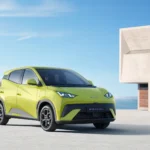
BYD has announced its Xuanji A3 chip platform, designed to support both Level 3 and Level 4 autonomous driving capabilities. The company aims to bring advanced automation to a broader range of electric vehicles through mass production.
Stellantis has also completed development of its STLA AutoDrive platform. The company plans to integrate the system into future consumer vehicles, potentially expanding access to autonomous driving technology. Meanwhile, General Motors and Ford have both indicated intentions to introduce Level 3 consumer vehicles in the coming years. Their future offerings could significantly increase the number of available autonomous models.
What Does the Future Look Like?
The future of autonomous driving appears incredibly promising. Sensor technology continues to improve, computing power is becoming more sophisticated, and artificial intelligence systems are learning to navigate increasingly complex traffic scenarios. Over the next decade, we are likely to see Level 3 systems become available in more vehicle segments beyond luxury sedans. SUVs, electric vehicles, and even mainstream family cars may eventually offer autonomous capabilities. At the same time, governments and transportation authorities will continue developing regulations that support safe deployment while protecting drivers and pedestrians.
As adoption grows, the distinction between assisted driving and autonomous driving will become increasingly clear, bringing society closer to a future where vehicles can handle more of the driving experience on their own.
Closing Remarks
The journey toward fully autonomous transportation is still unfolding, but Level 3 technology represents a major milestone along the way. Today, Mercedes-Benz, BMW, and Honda are leading the charge with production-ready systems that allow drivers to hand over control in carefully defined situations.
Although availability remains limited and regulations are strict, the progress achieved so far is remarkable. With companies like BYD, Stellantis, Ford, and General Motors preparing their own solutions, the autonomous driving landscape is set for rapid growth.