Article Highlights
- BYD has produced more than fifteen million new energy vehicles combined across battery electric and plug-in hybrid models, giving it roughly a quarter of the global plug-in hybrid market.
- BYD Electric Vehicles recently became the best-selling EV brand in the United Kingdom, overtaking Tesla, Kia, BMW, and Volkswagen.
- Affordable BYD electric car price points have made these vehicles accessible to a much wider group of buyers compared to many competitors.
- Strong performance in Brazil, Spain, and Southeast Asia shows how quickly BYD Electric cars are expanding beyond their home market in China.
- Rising material costs and reduced subsidies present real challenges, but BYD’s global factory expansion suggests long-term growth rather than a short-term trend.
When I first started paying attention to the hybrid car market a few years back, the names of Toyota and Honda came to mind almost automatically. Today, the conversation looks completely different. Every time I check the latest sales numbers or talk to friends who are shopping for a new car, one name keeps coming up again and again, and that name is BYD.
After spending weeks researching global sales data, reading manufacturer reports, and comparing regional performance, I want to share what I found simply and honestly. This article looks at whether BYD Electric Vehicles are truly leading the global hybrid vehicle market, and what that means for buyers who are trying to decide on their next car.
A Quick Look at BYD and Its Rise
BYD started as a battery maker long before it became a household name in the auto world. That background turned out to be a huge advantage. Because the company already understood battery chemistry and production at scale, it was able to build BYD Electric Vehicles and plug-in hybrids with a level of cost control that older automakers struggled to match. Over the past few years, BYD Electric cars have moved from being a mostly domestic Chinese product into a global presence, with factories and dealerships spreading across Europe, Southeast Asia, Latin America, and beyond.
What stood out to me while researching this is how BYD did not choose to compete in just one lane. Instead of only building battery electric cars, the company doubled down on its DM i hybrid technology as well. That dual approach turned out to be a smart bet, because not every market or every driver is ready to go fully electric yet, and hybrids fill that gap nicely.
BYD Electric Vehicles and the Global Hybrid Vehicle Market
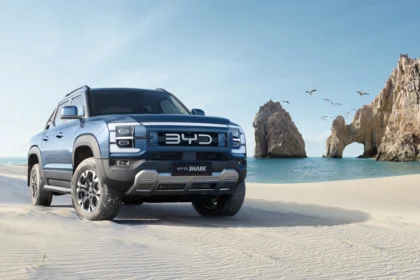
Here is where things get interesting. When people search for the hybrid car market, they usually think of gas-electric combos from Japanese brands. But BYD Electric Vehicles have quietly become the largest plug-in hybrid producer on the planet. The company has produced more than fifteen million new energy vehicles in total, a category that includes both fully electric and plug-in hybrid models, and a large share of that volume comes from hybrids.
I found this genuinely surprising the first time I looked into it. BYD now holds around a quarter of the entire global plug-in hybrid market. That is not a small footprint. It reflects years of steady, methodical growth rather than one breakout model or a single lucky year. Legacy automakers have traditionally dominated the Hybrid Vehicle Market. Yet, BYD Electric Vehicles have carved out a leading position by focusing on affordable, well-equipped models that ordinary families can actually buy.
Why BYD Electric Vehicles Are Gaining So Much Ground
A few reasons keep coming up whenever I dig into why BYD Electric Vehicles are performing so well against the competition.
Affordable pricing without cutting corners.
One of the first things people ask me is about the BYD electric car price when we talk about switching cars. Compared to many Western and even some Japanese competitors, BYD models tend to come in at a lower price point while still offering strong range, modern tech, and safety features. This pricing strategy has made BYD Electric cars accessible to a much wider audience than premium EV brands.
A strong presence in both BEV and hybrid segments.
Rather than betting everything on one technology, BYD Electric Vehicles are sold alongside plug-in hybrid models under the same lineup. This flexibility means the company can serve buyers in regions where charging infrastructure is still developing, as well as buyers who are ready to go fully electric.
Rapid international expansion.
BYD has been opening new plants and shipping vehicles overseas at a pace that few automakers can match. New factories in Hungary, Thailand, Brazil, Indonesia, and Uzbekistan show how serious the company is about becoming a true global player rather than just a strong domestic brand.
Vertical integration.
Because BYD makes its own batteries, motors, and even semiconductors, it has more control over costs and supply chains than most competitors. This has helped keep BYD Electric car pricing competitive even as raw material costs have shifted around the world.
How BYD Electric Vehicles Are Performing in Key Markets
I looked at several regions to get a clearer picture of how far BYD Electric Vehicles have actually reached.
In the United Kingdom, BYD has become the best-selling electric vehicle brand so far this year, overtaking names like Tesla, Kia, BMW, and Volkswagen. When plug-in hybrid sales are added into the mix, BYD’s combined new energy vehicle sales account for a meaningful share of the entire UK market. That is a remarkable achievement for a brand that only entered the country a few years ago.
In Brazil, BYD’s hybrid sedan has outsold long-standing favorites like the Toyota Corolla, and its smaller electric hatchback has ranked among the best-selling vehicles in the country regardless of fuel type. In Spain, cumulative registrations have crossed tens of thousands of units in just a few years, showing how quickly BYD Electric cars are being adopted in markets that were previously dominated by European brands.
Back home in China, BYD remains the top-selling new energy vehicle brand. However, the company has faced a bit more competition recently as government subsidies have eased and rivals have sharpened their offerings. Even with that added competition, BYD has managed to hold onto a leading position in both the Hybrid Car Market and the battery electric segment.
Comparing BYD to Traditional Hybrid Vehicle Market Leaders
For decades, Toyota was the name most associated with hybrid technology. Toyota still sells enormous volumes of hybrids worldwide and remains a serious force in this space. What makes the current situation notable is that BYD Electric Vehicles have managed to match or exceed that scale in the plug-in hybrid segment specifically, which is a more advanced and often more efficient category since these vehicles can drive on electric power alone for meaningful distances before the gas engine kicks in.
Tesla, on the other hand, has stayed purely focused on battery electric vehicles and has not entered the hybrid space at all. This means that when people compare total electrified vehicle output, meaning BEVs and PHEVs combined, BYD often comes out ahead simply because it plays in both categories at once.
What This Means for Everyday Buyers
If you are shopping for a new car right now, the rise of BYD Electric Vehicles is worth paying attention to. Prices have become more competitive across the board because of the pressure BYD has put on other manufacturers. Features that used to be reserved for luxury models, such as fast charging, are now showing up in more affordable BYD Electric cars. For anyone curious about BYD electric car price ranges, it is worth comparing local dealership listings since pricing can vary quite a bit depending on the region, import taxes, and available incentives.
I would also encourage buyers to think about their actual driving habits before choosing between a full battery electric model and a plug-in hybrid. If your daily commute is short and you have reliable access to home charging, a fully electric BYD model might make the most sense. If you regularly take longer trips or live somewhere where charging stations are still limited, one of BYD’s DM i hybrid models could be a more practical choice.
Challenges BYD Still Faces
It would not be fair to write this article without mentioning the hurdles ahead. Rising costs for lithium and other battery materials are putting pressure on margins across the entire industry, not just for BYD. Trade tensions and tariffs in markets like the United States and parts of Europe have also made expansion more complicated. Domestically, the removal of certain government subsidies in China has led to a temporary slowdown in sales growth, which shows that even a dominant player is not immune to market shifts.
Still, based on everything I reviewed, BYD Electric Vehicles appear well-positioned to keep growing internationally even if the domestic market cools off a bit. The company’s investment in its own shipping fleet, new overseas factories, and continued technology upgrades like faster charging all point toward a long-term strategy rather than a short-term spike.
Experts Opinion
After going through the numbers, regional reports, and industry commentary, my honest take is that BYD Electric Vehicles has genuinely earned a leading position in the global hybrid vehicle market. The combination of affordable pricing, strong plug-in hybrid technology, and aggressive international expansion has allowed the brand to compete with and in many cases surpass companies that have been in this industry for decades.
Whether that lead holds steady over the next few years will depend on how well BYD manages rising costs and shifting trade policies, but for now the data tells a clear story. If you are researching your next car and want to understand where the Hybrid Car Market is heading, keeping an eye on BYD Electric Vehicles is a smart place to start. This kind of shift is exactly the sort of story we love covering here at WheelsWind, and it is one worth watching closely in the months ahead.