Ferrari has spent decades building some of the most exciting and emotionally charged cars in automotive history. The sound of a V12, the aggressive styling of its supercars, and its deep connection to motorsport have helped create one of the most passionate fan communities in the world. That is why the unveiling of the Ferrari Luce EV has sparked such a strong reaction among enthusiasts.
The Luce is more than just another new model. It represents a major shift in the company’s direction. As Ferrari’s first fully electric vehicle, the Luce marks the beginning of a new era for the legendary Italian brand. However, instead of being celebrated by everyone, the car has triggered criticism, controversy, and heated debate across the automotive world. Many fans believe the Luce abandons the values that made Ferrari famous. Others argue that the company is simply adapting to a changing market and preparing for the future. The result is one of the most controversial vehicle launches in recent memory.
The Luce Represents a Historic Turning Point
Ferrari has always been associated with high-performance combustion engines. Whether powered by a V8 or a V12, Ferrari models have traditionally delivered an experience that appeals to the senses. The sound, vibration, and character of the engine have always been just as important as speed and performance.
The Luce changes that formula completely. As Ferrari’s first fully electric vehicle, the Luce relies on four electric motors instead of a traditional internal combustion engine. While the technology promises impressive acceleration and cutting-edge performance, many long-time fans see the move as the end of an era.
Why the Design Has Created Such a Strong Backlash
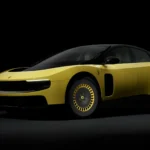
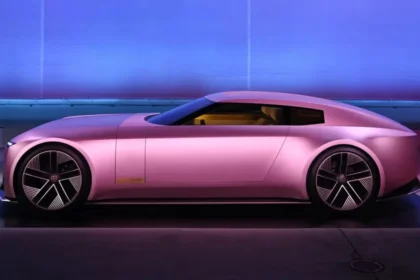
One of the biggest reasons for the negative reaction is the vehicle’s design. Ferrari supercars have traditionally featured aggressive lines, dramatic proportions, and a visual presence that instantly communicates performance. The Luce takes a completely different approach.
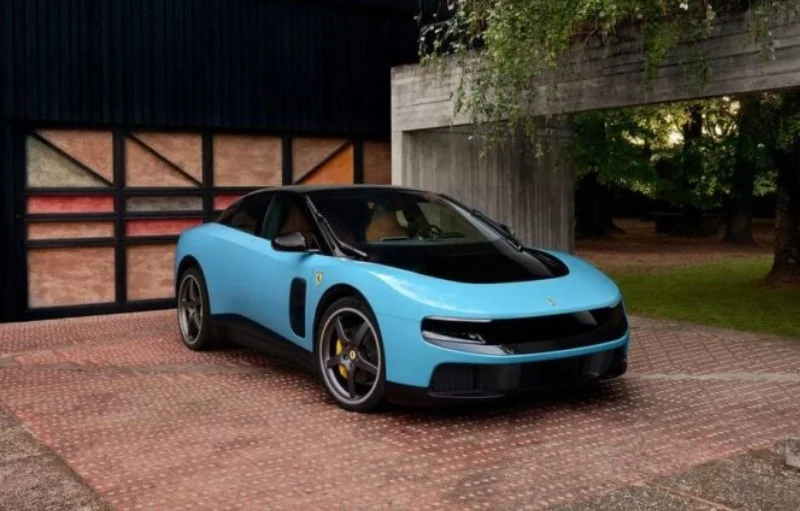
Instead of sharp edges and muscular bodywork, the car adopts a smoother and more minimalist appearance. Its design focuses heavily on aerodynamic efficiency, resulting in a shape that many critics describe as soft and futuristic rather than exciting and emotional.
The most controversial feature is the continuous glass windscreen that stretches toward the front of the vehicle. This creates a sleek and modern appearance, but many Ferrari supporters believe it lacks the visual aggression expected from the brand.
Social media users were quick to voice their opinions. Memes comparing the Luce to consumer electronics products spread rapidly across the internet. Others compared the vehicle to ordinary electric hatchbacks rather than exotic supercars. For traditional Ferrari enthusiasts, the design appears disconnected from the company’s heritage.
The Influence of Silicon Valley
The collaboration was intended to create a new vision of luxury mobility. However, many enthusiasts believe the partnership pushed Ferrari too far toward a technology-focused identity. Critics argue that the Luce looks less like an Italian supercar and more like a luxury technology product. This has led to widespread descriptions of the vehicle as an “Apple product on wheels. For some buyers, that description is a compliment. For many fans, it is exactly the problem.
Ferrari has always represented passion, emotion, and racing heritage. The idea of transforming the brand into something resembling a consumer electronics company makes many enthusiasts uncomfortable.
A Minimalist Interior That Divides Opinion
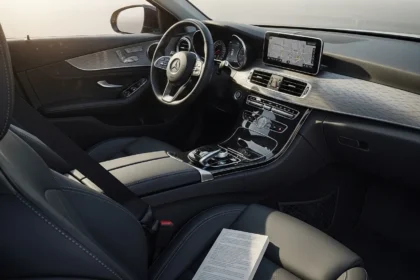
The exterior design is not the only area generating criticism. The interior of the Luce follows the same minimalist philosophy. Traditional buttons, switches, and mechanical controls have largely disappeared.
Instead, occupants are greeted by smooth surfaces, flush controls, rounded edges, and subtle lighting effects. The design language feels more similar to a luxury smartphone or smartwatch than a traditional performance car. Many technology enthusiasts appreciate the clean and futuristic layout. However, Ferrari purists argue that the cabin lacks the mechanical character that has always been part of the Ferrari experience.
For decades, sitting inside felt special because every element focused on the driver. The Luce replaces much of that traditional atmosphere with digital simplicity, creating a very different experience.
The First Five-Seater Ferrari EV
Ferrari designed the Luce as a five-seat vehicle aimed at wealthy families and successful technology entrepreneurs. While practical luxury vehicles are common today, many enthusiasts believe this approach conflicts with Ferrari’s core identity. Historically, Ferrari has built cars around performance and driver engagement. Rear seats, when present, often served as secondary considerations.
The Luce changes that philosophy by prioritizing passenger comfort and everyday usability. Some supporters see this as smart business.
Critics see it as Ferrari chasing new customers while forgetting the enthusiasts who helped build the brand’s reputation. The debate highlights a larger question facing the automotive industry. Should luxury brands remain faithful to their traditions, or should they evolve to meet changing consumer demands?
The Missing Ferrari Sound
Ask any Ferrari enthusiast what makes the brand special, and the engine sound will almost certainly be mentioned. The scream of a naturally aspirated V12 or the growl of a high-performance V8 has become one of Ferrari’s defining characteristics.
Because the Luce uses electric motors, it cannot produce the iconic sounds associated with Ferrari performance cars. To address this issue, Ferrari introduced artificial vibrations and digital sound effects designed to simulate some of the sensations drivers expect. The response has been overwhelmingly mixed.
Many critics view these artificial sounds as unnecessary gimmicks. Some have described them as an insult to Ferrari’s heritage, arguing that digital simulations can never replace the authenticity of a real engine. For enthusiasts who grew up dreaming about Ferrari’s legendary soundtracks, this remains one of the hardest aspects of the transition to accept.
High-Profile Criticism from Within Ferrari’s History
One of the most notable critics has been former Ferrari Chairman Luca Cordero di Montezemolo. As one of the most influential figures in the company’s modern history, his comments attracted significant attention throughout the automotive world.
Montezemolo reportedly warned that the Luce risks damaging Ferrari’s legacy and suggested that the vehicle should not even wear the iconic Ferrari badge. Such criticism carries enormous weight because it comes from someone who helped guide Ferrari through some of its most successful years.
Investor Anxiety and Market Reaction
The controversy surrounding the Luce was not limited to automotive forums and social media discussions. Financial markets reacted quickly as well. Following the unveiling of the vehicle, Ferrari’s Milan-listed shares fell by more than eight percent. The decline wiped out approximately five billion euros in market value as investors worried about the overwhelmingly negative reaction to the car’s design. The sharp drop demonstrated how seriously both investors and enthusiasts were taking the controversy.
While stock movements can be influenced by many factors, the immediate response highlighted concerns about whether Ferrari’s traditional customer base would embrace the company’s electric future. Investors understood that Ferrari’s brand strength has always depended on emotional appeal. Any threat to that emotional connection naturally raises questions about long-term profitability.
Ferrari Defends Its Vision
According to Ferrari, the vehicle has already attracted significant interest from a new generation of buyers. These customers often prioritize innovation, sustainability, advanced technology, and exclusive luxury experiences. Rather than focusing solely on traditional automotive values, many younger wealthy consumers view cutting-edge technology as an important status symbol. This audience represents a major opportunity for Ferrari.
The company believes that attracting new buyers does not necessarily mean abandoning existing customers. Instead, Ferrari argues that the Luce expands the brand’s appeal while maintaining its commitment to premium craftsmanship and performance.
Why Silicon Valley and China Matter
Ferrari’s strategy becomes easier to understand when considering its target markets. The Luce has been designed with technology-focused regions in mind, particularly Silicon Valley and China. These markets contain large numbers of affluent consumers who embrace innovation and are often early adopters of new technology.
For many of these buyers, a fully electric Ferrari represents the perfect combination of luxury, exclusivity, and technological sophistication.
What traditional enthusiasts see as a betrayal of heritage may appear exciting and progressive to this new audience. This difference in perspective helps explain why opinions about the Luce are so sharply divided.
Is Ferrari Losing Its Identity?
The central question behind the controversy is simple. Can Ferrari embrace electrification without losing the identity that made it legendary?
There is no easy answer. Throughout automotive history, manufacturers have faced similar challenges when adapting to changing technologies and customer expectations.
Some companies successfully evolved while preserving their core values. Others struggled to maintain their identity during periods of transformation. Ferrari now faces one of the biggest tests in its history. The Luce is not merely a new vehicle. It is a statement about the future direction of the company.
Final Thoughts
At the same time, the automotive industry is changing rapidly. Luxury buyers increasingly demand electrification, connectivity, and advanced technology. Ferrari believes the Luce positions the company for long-term success in this new environment. Whether the Luce ultimately becomes a landmark success or a cautionary tale remains to be seen. What is certain is that few vehicles in recent memory have sparked such passionate debate.