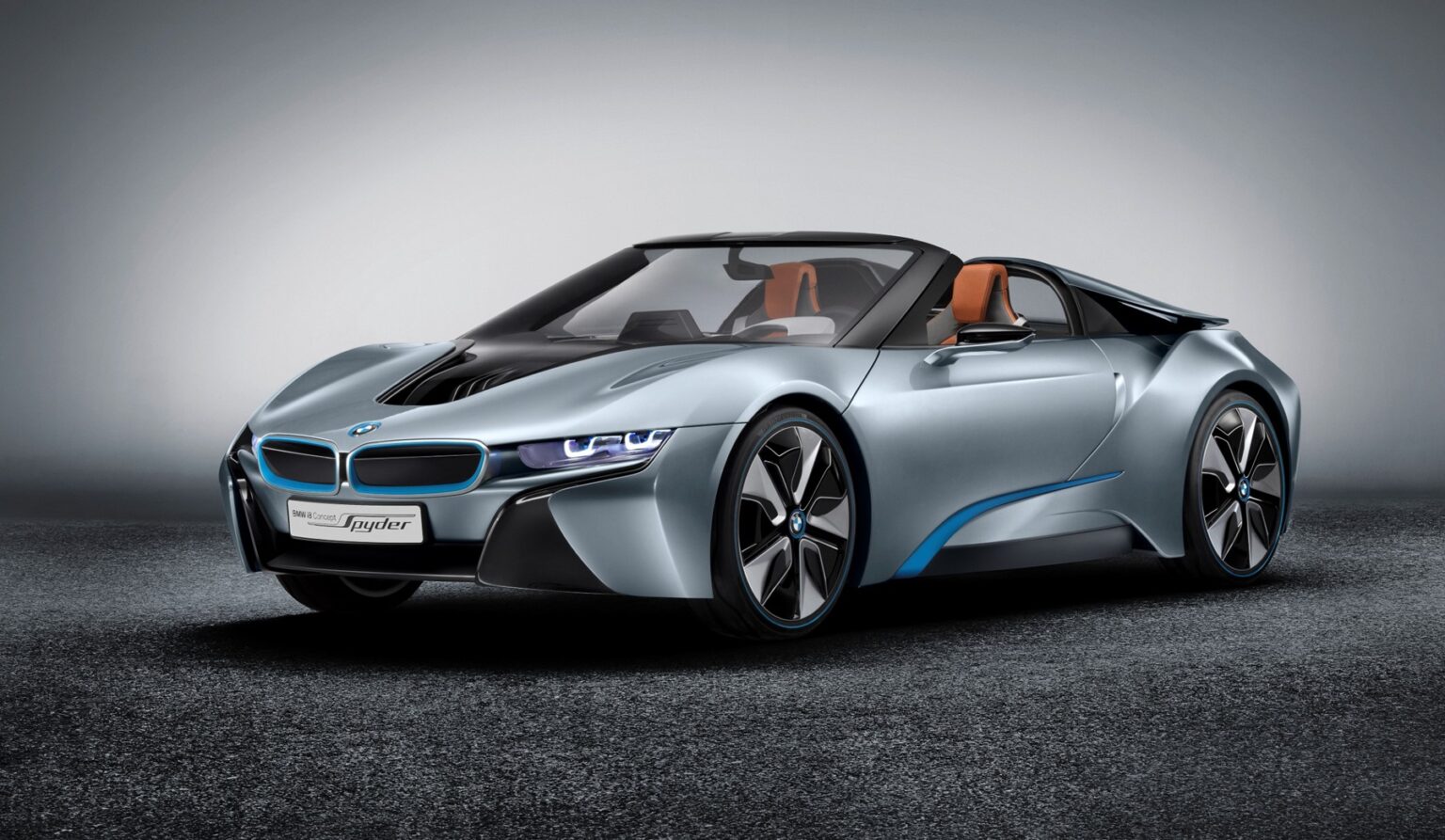
Article Highlights
- BMW is reportedly developing an electric i4 Convertible, codenamed NA3, for a 2028 launch on the Neue Klasse platform.
- The BMW electric convertible could offer well over 350 miles of range thanks to the i3 sedan’s 440-mile rated platform.
- Currently, the only new electric convertible sold in the US is the 206,095 dollar Maserati GranCabrio Folgore.
- BMW’s existing 4 Series and i4 sales base gives it a real advantage over EV startups chasing the same convertible market.
- The report is not an official BMW announcement, so pricing, final specs, and launch timing could still change.
If you have spent the last few years hoping for a proper BMW electric convertible, the wait may finally be paying off. According to a new report from BMWBLOG citing sources close to the automaker, BMW is planning an all-electric i4 Convertible for 2028. For anyone who loves the feeling of dropping the top on a warm evening but has been reluctant to give up on going electric, this is a genuinely big deal.
Right now the market for a new BMW electric convertible, or any electric convertible for that matter, is almost embarrassingly small. This article breaks down what is actually being reported, why the timing makes sense, why nobody else has managed to pull this off, and what it might mean for you if you are shopping for a two-door EV in the next few years.
What We Know About the BMW Electric Convertible
The upcoming car carries the internal codename NA3 and is expected to ride on BMW’s Neue Klasse platform, the same underlying architecture that powers the new i3 electric sedan. That is a meaningful detail, because Neue Klasse is BMW’s newest and most advanced EV platform, not a retrofit of an older combustion-based chassis.
The formula for this BMW electric convertible reportedly mirrors the current gas-powered version. Expect a soft fabric top rather than a folding hardtop, four seats, and two doors. In other words, BMW is not reinventing the convertible experience; it is simply replacing the engine with a battery and electric motors.
BMW is also said to be developing an i4 Coupe, internally known as NA2, on the same platform and around the same timeframe. Together, these two models would give BMW a proper electric two-door lineup for the first time.
There is a small catch worth mentioning. Nothing is expected to directly replace the i4 Gran Coupe once it ends production next year, so the badge would sit unused for roughly a year before these two-door electric models pick it back up, assuming the report holds. And the gas-powered 4 Series Convertible is not disappearing either. Its production run is scheduled through mid-2029, meaning BMW would sell electric and combustion convertibles side by side for about a year.
Why an Electric Convertible Has Been So Hard to Build
Convertibles are genuinely difficult cars to engineer, and that becomes even harder once you add a battery pack into the equation. Cutting the roof off a car removes a huge source of structural rigidity. Engineers compensate by adding reinforcement, which adds weight, and weight is the enemy of range in any EV that is already carrying a heavy battery pack in the floor.
This is not a theoretical problem. BMW’s own Mini brand learned this lesson the hard way with a limited run of 999 units of an electric Mini Cooper SE Convertible built in 2023 for the European market. That car topped out at around 125 miles of range, which made it a fun toy but not a practical daily driver for most people.
So why does the timing finally work for a BMW electric convertible built on Neue Klasse? Because the underlying platform has real range to spare. The i3 sedan built on this architecture is rated at 440 miles of EPA range, running on an 800-volt system with charging speeds up to 400 kW and a native NACS port for Tesla Supercharger compatibility.
Even if a convertible version loses fifteen percent of that range to added weight and worse aerodynamics with the top down, it would still land comfortably above 350 miles. That is a completely different proposition than a sub-150-mile Mini.
Nobody Else Is Really Building Electric Convertibles
Here is where the BMW electric convertible story gets interesting. If you tried to buy a new electric convertible in the United States today, you would have exactly one option, the Maserati GranCabrio Folgore. It starts at 206,095 dollars and delivers 229 miles of EPA range. Maserati has reportedly been offering discounts as steep as 85,000 dollars off that price to dealers, which tells you how well that car is actually selling.
Europe has a slightly wider selection, though still a thin one. Fiat sells a 500e cabrio that never made it to the United States. MG sells the Cyberster roadster across the UK, Europe, and China, also absent from the US market. Add in that limited-run Mini Cooper SE Convertible from 2023, and that is essentially the entire global lineup of production electric convertibles right now.
Everything else planned for this space has been delayed, pushed back, or cancelled outright. Polestar has pushed its 6 roadster behind the upcoming Polestar 7 with no confirmed date. Tesla has been promising a new Roadster since 2017 and recently pushed its next demo event to August. Audi scrapped its electric sports car plans entirely.
Add it all up and the entire global market for a genuinely new electric convertible is a 200,000-dollar Maserati and a couple of niche cars you cannot even buy in the US. That is the gap a BMW electric convertible would be stepping into.
Why BMW Is Positioned Actually to Pull This Off
Building a low-volume convertible is usually a money-losing proposition for automakers, which is exactly why most manufacturers have avoided the segment entirely as it has shrunk over the years. BMW has an advantage that smaller EV startups do not have.
Because BMW has already committed to rolling out Neue Klasse across its entire lineup, the platform costs are already being absorbed by higher-volume models like the i3 sedan. A convertible variant does not need to justify an entirely new platform from scratch; it only needs to justify a body style. That is a much easier bar to clear than what a startup building a standalone electric roadster is up against.
BMW also already has the customer base. The 4 Series lineup sold 39,379 units in the US last year, and the i4 alone added another 20,114 units on top of that. That is an existing dealer network, an existing base of buyers who already trust the badge, and an existing sales infrastructure that a brand new electric sports car company cannot match on day one.
Is a BMW Electric Convertible Actually a Good Idea
From a pure driving experience standpoint, convertibles and electric powertrains arguably belong together more than gas engines ever did. There is no engine noise to drown out, no exhaust heat radiating up from behind you, just wind noise and whatever you have playing on the stereo. An open-top electric car is arguably a better sensory experience than an open-top gas car, and it is a little surprising that almost nobody has bothered to sell one people can actually buy.
That said, it is worth tempering expectations a bit. This is a sourced report rather than an official announcement from BMW, 2028 is still two model years away, and the auto industry’s track record with low-volume halo EVs has not been great. Plans change, timelines slip, and reports based on unnamed sources do not always turn into showroom reality.
What This Could Mean If You Are Shopping for an EV Convertible
If you have been holding off on a convertible purchase specifically because you did not want to go back to gas, a BMW electric convertible arriving in 2028 gives you a reason to wait rather than settle. Here are a few practical things to keep in mind while this plays out.
Do not expect anything before 2028.
Even if this report is accurate, BMW has not confirmed pricing, exact range figures, or a firm on-sale date. Treat any range or price numbers you see online right now as informed speculation, not fact.
Consider the gas 4 Series Convertible if you need a car sooner.
Since the combustion version is scheduled to keep running through mid 2029, it will still be available new for a while, even after the electric version potentially arrives.
Watch the used Mini Cooper SE Convertible market if you want a taste now.
With only 999 units built and limited to Europe, finding one in the US is unlikely, but it is a useful reference point for what a smaller battery convertible feels like to live with.
Keep an eye on the Maserati GranCabrio Folgore if budget is not a concern.
It is the only new electric convertible you can buy in the US today, though the price and relatively modest range make it a hard sell against what BMW is reportedly planning.
A Quick Comparison of the Current Electric Convertible Landscape
| Model | Market | Approximate Range | Starting Price | Status |
|---|---|---|---|---|
| Maserati GranCabrio Folgore | US, Europe | 229 miles | 206,095 dollars | On sale now |
| Mini Cooper SE Convertible | Europe only | 125 miles | Limited run, not sold new | 999 units built in 2023 |
| MG Cyberster | UK, Europe, China | Varies by market | Not sold in US | On sale in select markets |
| Fiat 500e Cabrio | Europe only | Varies by market | Not sold in US | On sale in select markets |
| BMW i4 Convertible (reported) | Expected global | Likely over 350 miles | Not yet announced | Reported for 2028 |
Frequently Asked Questions About the BMW Electric Convertible
Is BMW officially confirming an electric convertible?
Not yet. The information comes from a BMWBLOG report citing sources close to the automaker, not an official statement from BMW itself. Treat the details as a strong industry report rather than a confirmed product launch until BMW says otherwise.
When will the BMW electric convertible be available?
Current reporting points to 2028 for the i4 Convertible, with a related i4 Coupe expected around the same window. Both are still roughly two model years away as of this writing.
What platform will the BMW electric convertible use?
It is expected to be built on Neue Klasse, BMW’s newest electric vehicle architecture, the same platform underpinning the new i3 sedan. This matters because Neue Klasse offers an 800-volt system, fast charging up to 400 kW, and a native NACS port.
How much range can I expect from a BMW electric convertible?
Nothing is official yet, but industry estimates suggest a range comfortably above 350 miles is plausible, based on the i3 sedan’s 440-mile EPA rating minus the weight and aerodynamic penalties that come with a convertible body style.
Will the gas-powered 4 Series Convertible still be sold once the electric version arrives?
Yes, based on current reporting. The combustion 4 Series Convertible is scheduled to remain in production through mid-2029, meaning it would overlap with the electric version for about a year.
Why have other automakers struggled to build electric convertibles?
Removing a car’s roof reduces structural rigidity, and the reinforcement needed to compensate adds weight. In an EV that is already carrying a heavy battery, that extra weight cuts significantly into range, which is why most electric convertibles built so far have had disappointingly short range.
What is the only electric convertible you can buy new in the US right now?
The Maserati GranCabrio Folgore, priced at 206,095 dollars with an EPA rating of 229 miles. Sales have reportedly been slow enough that steep discounts have been offered to dealers.
Is the BMW electric convertible going to be affordable?
There is no pricing information available yet. Given that it would sit alongside the existing 4 Series Convertible lineup and share a platform with the i3 sedan, a reasonable expectation is pricing somewhere in line with BMW’s existing premium two-door models, though this is speculation until BMW confirms otherwise.
Electric Cars Expert’s Opinion
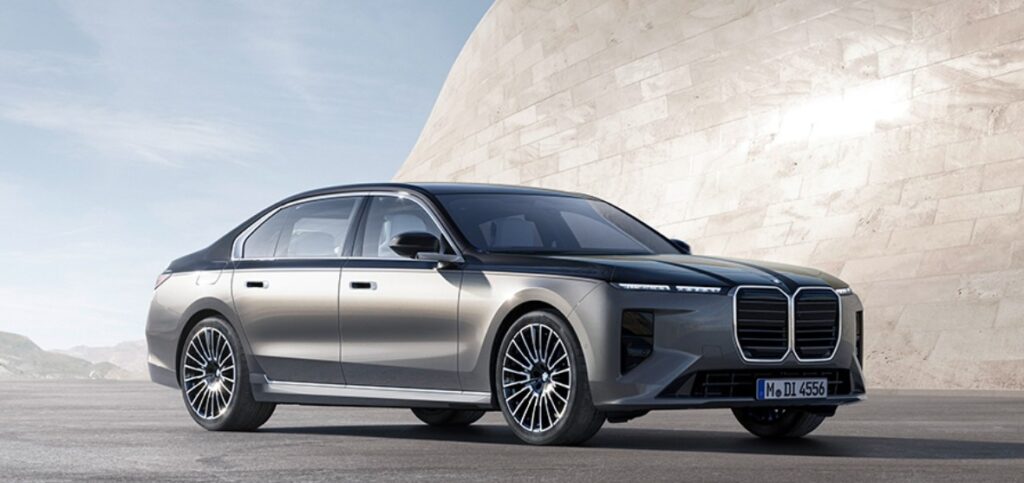
A BMW electric convertible built on the Neue Klasse platform would fill a gap that has existed in the EV market for years. Right now, choosing an electric convertible means paying over 200,000 dollars for a Maserati or looking overseas at cars you cannot actually import. If BMW follows through on this reported 2028 timeline, it would give drivers in the US and beyond a mainstream, reasonably priced option with real-world range for the first time.
At the same time, it is worth staying realistic. This is a sourced report, not a confirmed announcement, and the auto industry has a long history of low-volume EV projects that get delayed or quietly shelved. Whether you are the kind of driver who tracks every BMW electric convertible rumor from WheelsWind or you are simply someone who wants to put the top down without burning gas, the smartest move right now is to watch for BMW’s official confirmation before making any buying decisions based on this report.