Electric vehicles can save money on fuel and routine maintenance, but the electric vehicle disadvantages become clear when you look beyond the showroom price. Before buying, you need to understand the real cost of charging access, battery health, depreciation, insurance, and repair complexity.
I have reviewed ownership costs, warranty terms, and used EV listings long enough to know that the cheapest EV on paper is not always the cheapest EV to live with. The following five electric vehicle disadvantages are the ones most likely to affect your budget.
1. Charging Can Be Inconvenient and Expensive
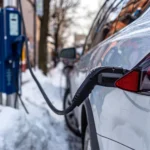
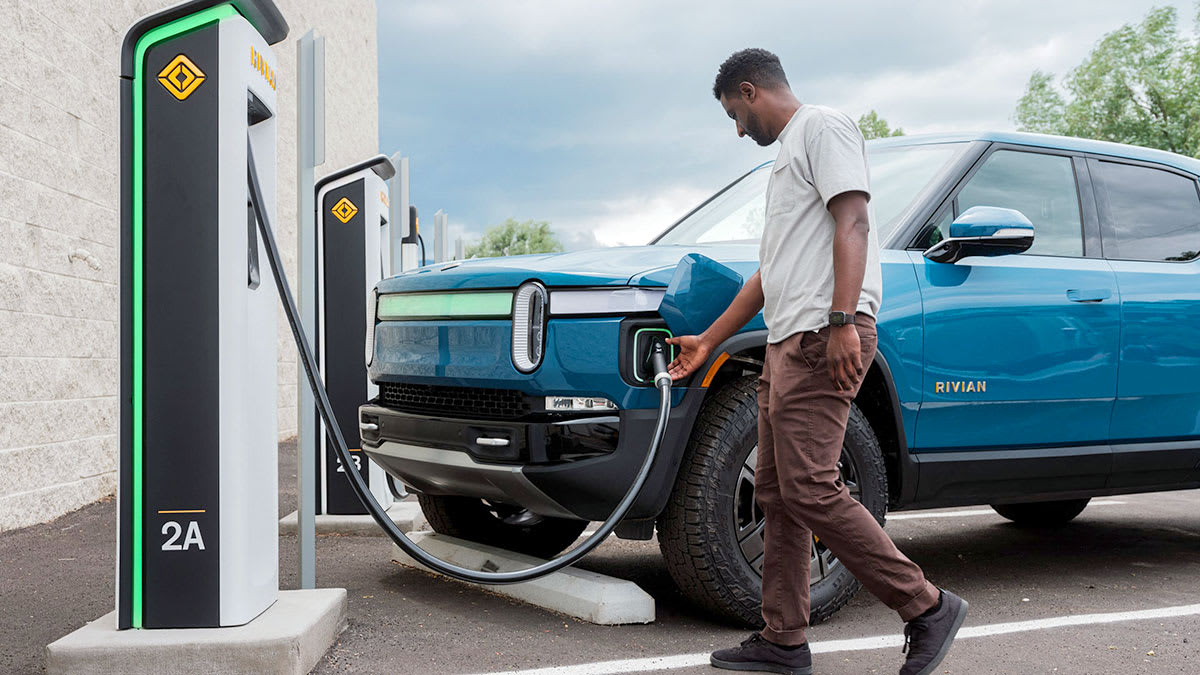
The most practical electric vehicle disadvantage is charging. A petrol or diesel car can refuel in minutes almost anywhere, while an EV needs a reliable charging routine at home, work, or public stations.
Home charging is usually the cheapest option, but it may require installing a dedicated wall charger. Depending on your property, electrical capacity, and local regulations, installation can add a meaningful upfront cost.
Public fast charging is convenient on long trips, yet it often costs more per mile than home charging and can involve waiting for a free stall.
Charging infrastructure remains uneven in many cities and highways. In dense urban areas, apartment residents may struggle to charge at all. In less developed regions, a long journey may require careful route planning around charger locations, charging speed, and backup options.
What it can cost you: charger installation, higher public charging fees, wasted time, and occasional detours. If you cannot charge at home, this is one of the most serious electric vehicle disadvantages.
2. Battery Replacement Is the Biggest Financial Risk
An EV battery is not just another component. It is the most valuable part of the vehicle, often representing a large share of the car’s total price. Although modern batteries are far more durable than early versions, degradation still reduces driving range over time.
Most manufacturers provide battery warranties of at least eight years or 100,000 miles, but warranty coverage has limits. It may not cover gradual capacity loss below a certain threshold, damage from an accident, improper charging, or use after the warranty expires.
An out-of-warranty battery replacement can cost roughly $5,000 to $20,000 or more, depending on the model, pack size, and labor charges. The good news is that full replacements are uncommon in newer EVs, but the possibility still shapes resale prices and buyer confidence.
What it can cost you: reduced range, lower resale value, expensive out-of-warranty repairs, and anxiety when buying a used EV. Battery health is one of the electric vehicle disadvantages that can turn a bargain used car into an expensive mistake.
3. Faster Depreciation Can Hurt Your Resale Value
Electric vehicles often lose value faster than comparable petrol cars. Rapid technology improvements, changing buyer preferences, battery concerns, and frequent model updates all affect used EV prices.
A new EV can lose a substantial portion of its value in the first year.
Industry data cited by Kelley Blue Book suggests new EVs may drop 35 to 40 percent in value during the first year, while five-year retention can be around 45 to 50 percent depending on the remaining battery warranty.
This matters even if you plan to keep the car for many years. A lower resale value increases your true cost of ownership because the money you recover when selling or trading in the vehicle is less.
What it can cost you: thousands in lost resale value, especially if you upgrade frequently. Among all electric vehicle disadvantages, depreciation is often the least visible but most expensive.
4. Insurance and Repairs Can Cost More
EVs may have fewer moving parts, but they are not always cheaper to repair. Sensors, cameras, aluminum panels, battery enclosures, and specialized electronics can make even a minor collision expensive.
Insurance companies consider repair costs, parts availability, vehicle value, and repair time. Because EV repairs can require certified technicians and specific diagnostic equipment, claims can take longer and cost more. Kelley Blue Book reports that insuring an EV can cost more than insuring a petrol vehicle, with some estimates placing the difference at up to 49 percent.
The battery pack also creates a unique repair risk. It sits along the underside of many EVs, making it vulnerable in certain types of road damage or collisions. If the pack is damaged, insurers may classify the vehicle as a total loss because replacement costs are too high.
What it can cost you: higher premiums, larger deductibles, longer repair delays, and higher accident-related expenses. This is one of the electric vehicle disadvantages that buyers often discover only after an incident.
5. Range Loss in Real-World Conditions
The range figure on a manufacturer’s website is not always the range you will experience. Cold weather, highway speeds, air conditioning, heating, cargo weight, tire pressure, and battery age can all reduce real-world driving distance.
Cold temperatures are particularly challenging because the cabin heater and battery conditioning system use energy. Fast charging can also become slower when the battery is cold. This does not make EVs unusable, but it can make long-distance travel less predictable.
For drivers who mostly commute short distances and charge at home, range may never be a problem. For people who regularly drive long routes, tow trailers, live in extreme climates, or depend on public charging, range uncertainty becomes a costly inconvenience.
What it can cost you: extra charging stops, route planning, time lost on trips, and in some cases the need for a second vehicle. Real-world range is one of the most underrated electric vehicle disadvantages.
How to Reduce These Costs
You can lower the financial impact of these electric vehicle disadvantages with a few practical steps.
- Buy an EV only if you can charge at home or have dependable workplace charging.
- Check the battery health report, warranty transfer terms, and service history before buying used.
- Avoid keeping the battery at 100 percent for long periods unless the manufacturer recommends it.
- Use DC fast charging mainly for road trips rather than daily charging.
- Compare insurance quotes before purchase, not after signing the sales contract.
- Choose a model with strong local service support and readily available parts.
- Calculate total ownership cost over five years, including depreciation, insurance, charging, tires, and possible repairs.
My Personal Opinion About EV
Electric vehicles are excellent for many drivers, particularly those with home charging, predictable daily mileage, and access to good service networks. However, the main electric vehicle disadvantages are real: charging inconvenience, battery replacement risk, faster depreciation, higher insurance and repair costs, and variable real-world range.
The smartest approach is not to ask whether EVs are good or bad. Ask whether an EV fits your driving pattern, budget, and local infrastructure. If it does, the savings can be substantial. If it does not, the hidden costs can outweigh the benefits.