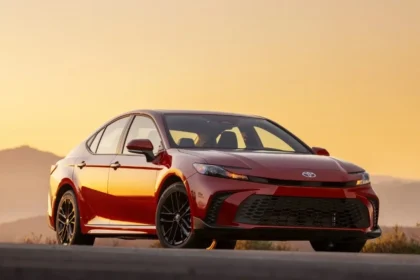
If you have spent any time shopping for a new vehicle this year, you already know hybrids are not a niche choice anymore. They are the mainstream pick. But buying one still comes down to one question that matters more than horsepower or infotainment screens: will it actually hold up?
This guide looks at the most reliable hybrid cars in 2026 through the lens of real ownership data, not marketing copy. Whether you are cross-shopping SUVs or sedans, the goal here is to point you toward the most reliable hybrid cars you can count on for years, not just months. I pulled from independent reliability studies, owner surveys, and repair trends to put together a list you can actually trust. Along the way, we will also answer the bigger question behind the search: are hybrid cars reliable at all, or is that reputation outdated?
Are Hybrid Cars Reliable in 2026
Short answer: yes, generally more than people expect. Hybrid drivetrains have been in mass production for close to three decades now, and the technology has matured well past the experimental phase.
According to J.D. Power’s 2026 U.S. Vehicle Dependability Study, traditional hybrids posted 213 problems per 100 vehicles after three years of ownership. Gasoline-powered vehicles fared best at 198 PP100, followed by hybrids at 213 PP100, while electric vehicles and plug-in hybrids scored worse at 237 and 281 PP100, respectively. That gap between hybrids and gas-only cars is smaller than most people assume, and it puts traditional hybrids well ahead of plug-in hybrids and EVs on long-term dependability.
So when people ask if hybrid cars are reliable, the honest answer is that it depends heavily on which hybrid system you are talking about. A Toyota-style hybrid with a proven eCVT and no clutch packs behaves very differently over 100,000 miles than a newer plug-in hybrid system still working out early bugs. This is the distinction that gets lost in a lot of buying guides, and it is the reason this article separates reliable hybrid vehicles from the ones that only look good on paper.
What Actually Makes a Hybrid Reliable
Before jumping into the list, it helps to understand what separates the most reliable hybrid cars from the rest of the pack. Owners who have logged tens of thousands of miles tend to point to the same handful of factors when explaining why some hybrids hold up, and others do not.
Maturity of the hybrid system. A drivetrain that has been refined across four or five generations, like Toyota’s Hybrid Synergy Drive, has had years to work out failure points. Newer or more complex hybrid systems have not had that runway.
Simplicity of design. The best performing hybrids tend to avoid unnecessary complexity. Fewer clutches, fewer high voltage components that can fail expensively, and a straightforward power split system all reduce the odds of something going wrong.
Parts availability. A car can be mechanically sound and still be a headache to own if replacement parts are backordered for months. This is an underrated part of the most reliable hybrid cars conversation, and it is something owners feel directly.
Brand track record. Some manufacturers have built more trust over time through consistent quality control. That reputation is earned, not assumed.
Most Reliable Hybrid Cars in 2026, Ranked
This list draws on findings from Consumer Reports’ 2026 reliability data, J.D. Power’s dependability study, and owner-reported experiences. These are consistently named among the most reliable hybrid cars on the market right now.
1. Toyota Camry Hybrid
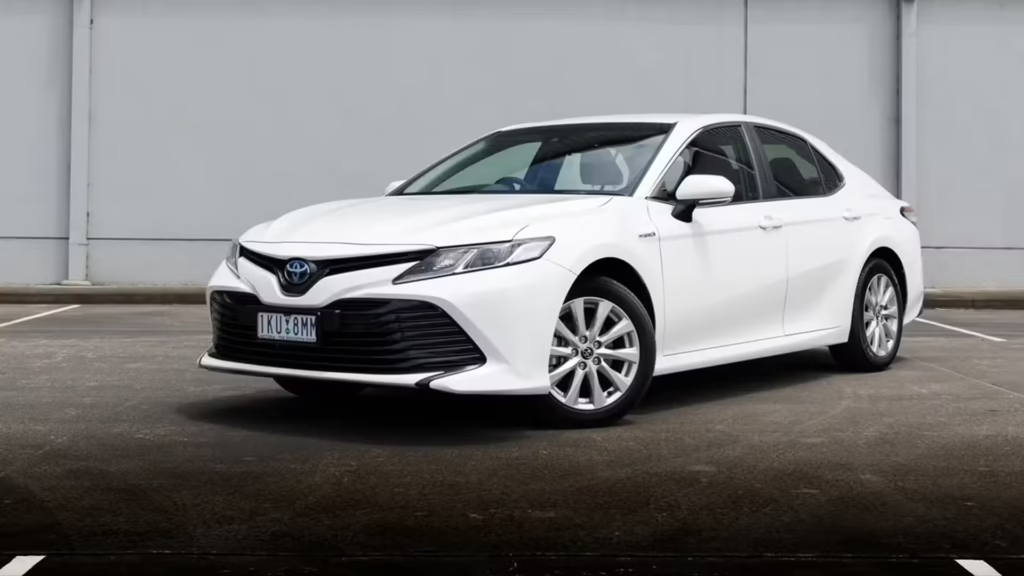
The Camry Hybrid is arguably the safest bet in the segment. Now offered exclusively as a hybrid, the Camry earned praise for its smooth ride, roomy interior, and improved fuel economy while maintaining its reputation for long-term dependability.
Owners consistently report that maintenance costs stay predictable, limited mostly to routine oil changes, transmission fluid service, and brake work. The hybrid system is a refined version of Toyota’s long-running power-split eCVT, which avoids the wear-prone clutches found in some competitors.
2. Toyota RAV4 Hybrid
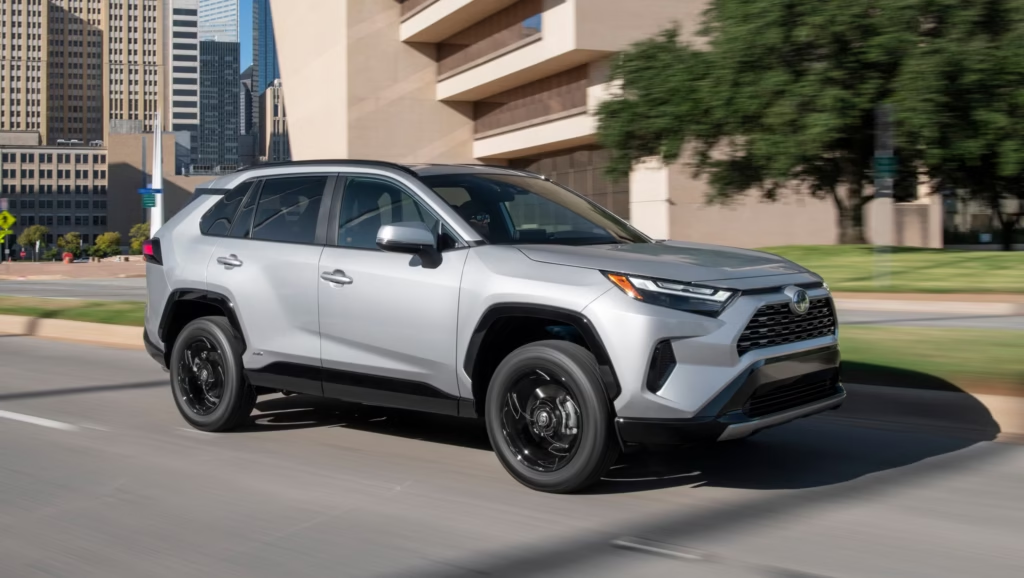
The RAV4 Hybrid leads the compact SUV segment on both efficiency and dependability. The redesigned 2026 RAV4 Hybrid posts 47 mpg in the city and carries the highest Consumer Reports reliability rating among hybrid SUVs on the list, at 77 out of 100.
For buyers who want one of the most reliable hybrid vehicles that can also handle families, road trips, and light towing, the RAV4 Hybrid checks nearly every box.
3. Toyota Corolla and Corolla Hybrid
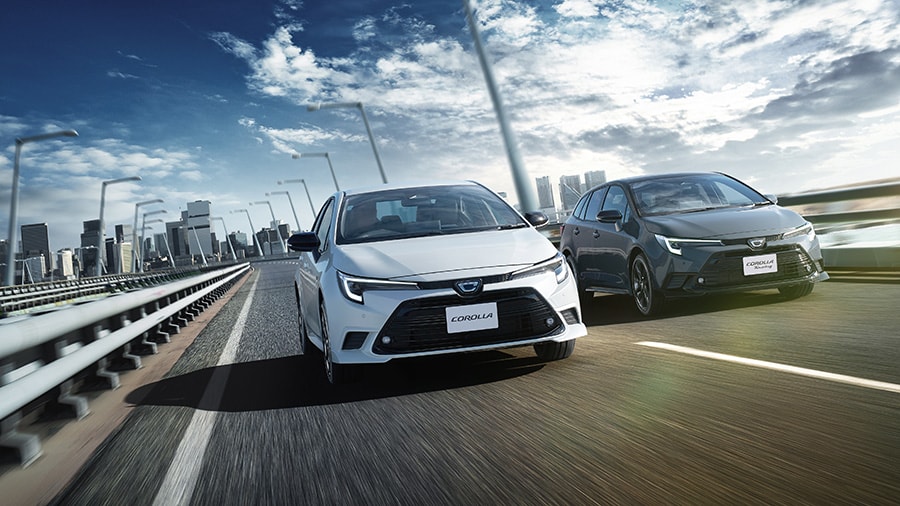
The Corolla name has carried a reputation for durability for decades, and the hybrid variant continues that streak. The Corolla made the list of most reliable cars for 2026, with minimal changes for the model year meaning fewer surprises for buyers looking for a dependable, affordable vehicle.
It is a smart entry point for anyone who wants reliable hybrid vehicles without a luxury price tag.
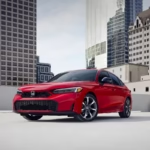
4. Honda Civic Hybrid
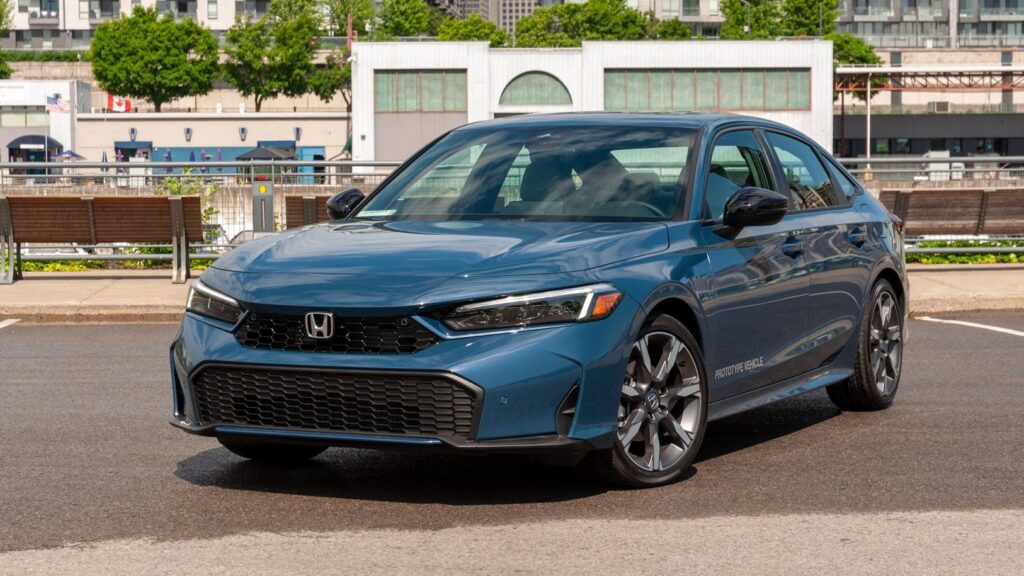
Honda earns its spot here too. Consumer Reports cited the Civic for its balanced handling, comfortable ride, fuel efficiency, and strong predicted reliability, noting that the hybrid version enhances efficiency without sacrificing performance.
Civic owners often mention how few unscheduled repairs come up in the first several years of ownership, which is exactly the kind of feedback that matters more than a spec sheet.
5. Honda CR-V Hybrid
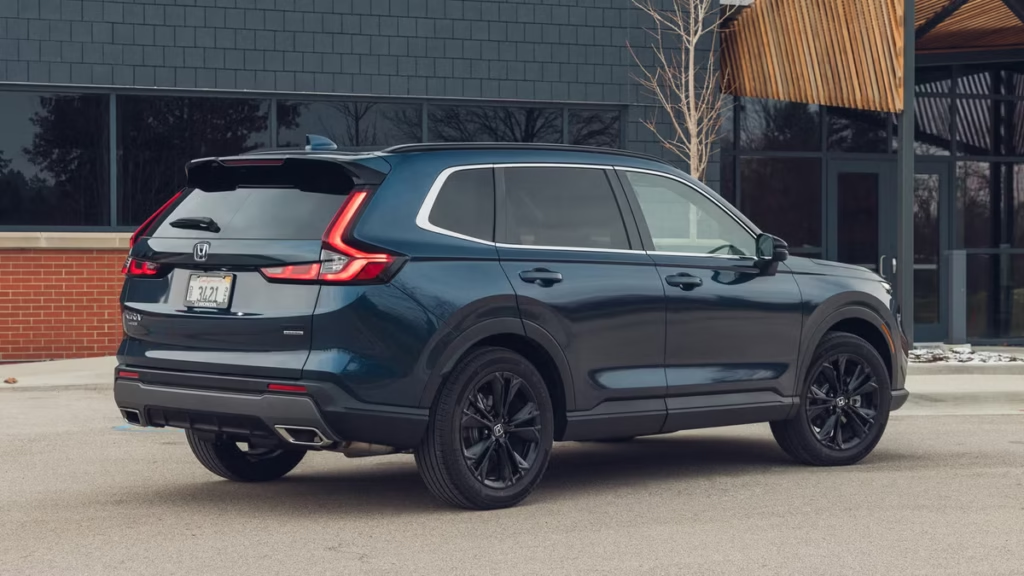
If you need more cargo space than the Civic offers, the CR-V Hybrid is worth a serious look. It delivers 43 mpg in stop-and-go traffic thanks to its 204-horsepower two-motor hybrid system, and for 2026 Honda added a larger touchscreen and a new TrailSport trim across the lineup.
It faces stiff competition from the redesigned RAV4, but its track record in reliability studies remains strong.
6. Toyota Highlander and Grand Highlander Hybrid
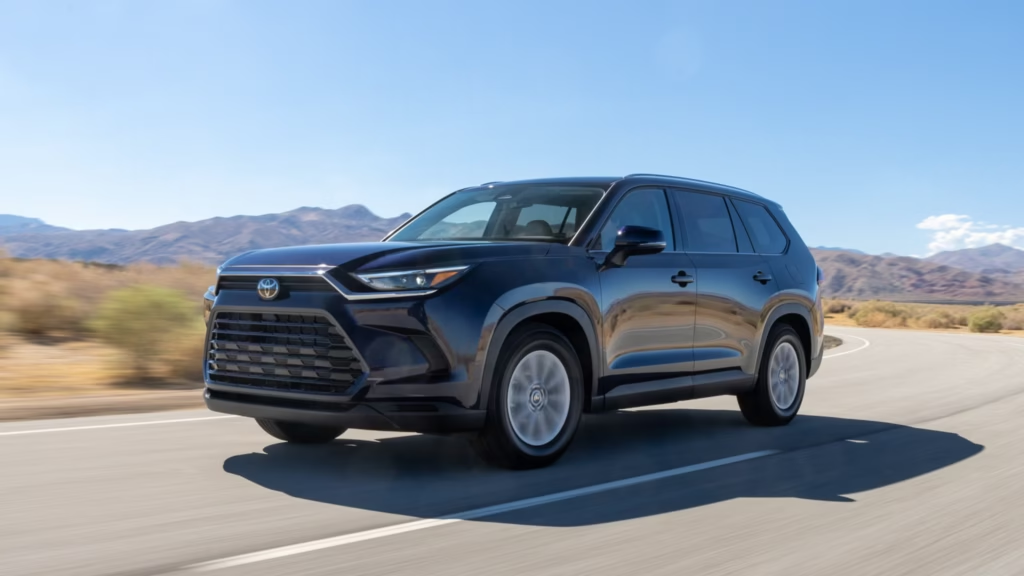
Families needing three-row seating have two strong Toyota options. The Highlander Hybrid has become a staple of taxi and rideshare fleets because of its dependability and fuel efficiency, ranking second among three-row SUVs in the most recent Consumer Reports reliability survey.
The Grand Highlander adds more legroom and cargo room for larger families, with a towing capacity around 5,000 pounds. Owners do mention occasional rear hatch strut wear in hot climates, a minor and inexpensive fix rather than a real reliability concern.
7. Kia Sorento Hybrid
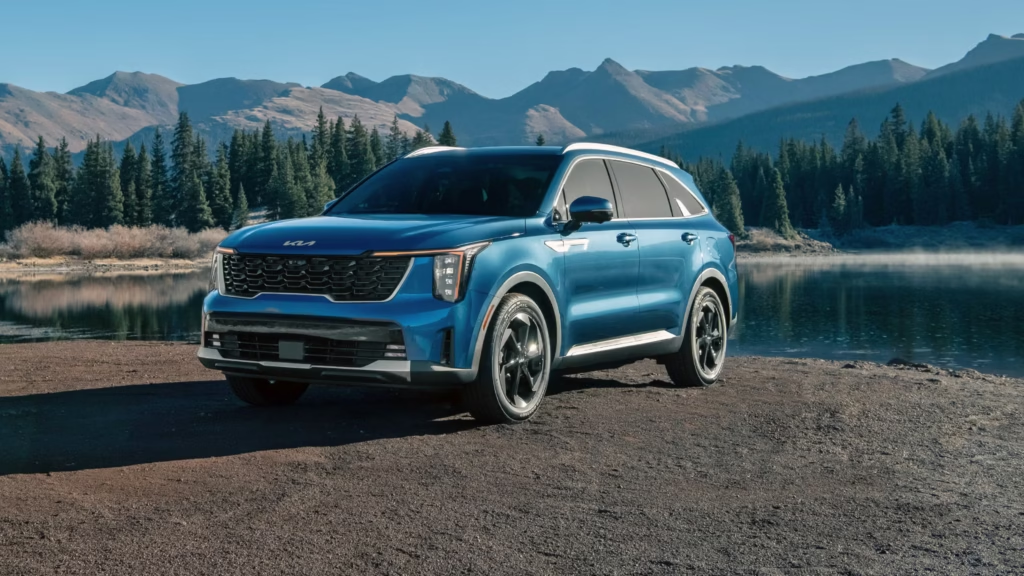
This one might surprise people who still associate Kia with budget reliability rather than top-tier dependability. The Sorento Hybrid was the top-ranked three-row SUV in Consumer Reports’ most recent reliability survey, making it one of the few models to outperform its own non-hybrid counterpart.
It uses a turbocharged four-cylinder paired with a single electric motor and a conventional automatic transmission, a different approach than Toyota’s eCVT system but one that has proven itself in owner surveys.
8. Lexus NX Hybrid and RX Hybrid
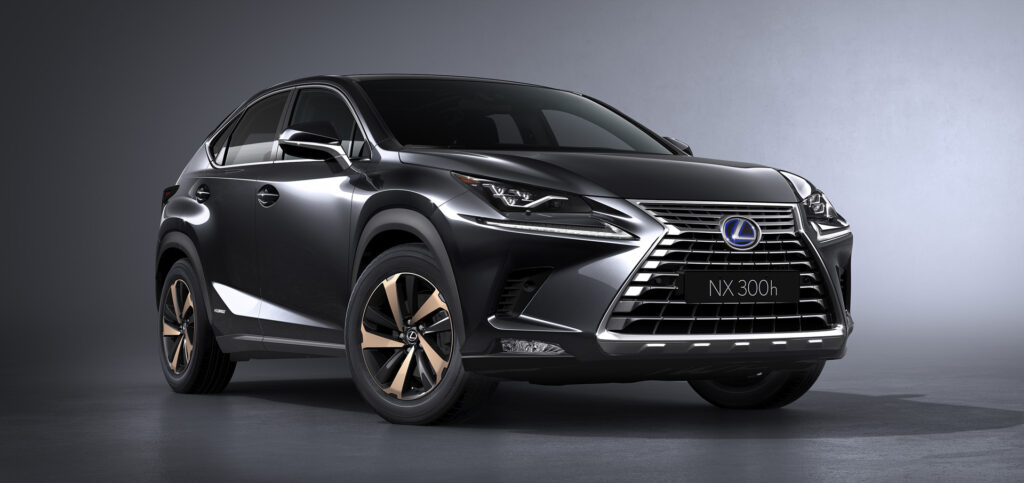
Lexus continues to dominate reliability rankings across the board, hybrid or otherwise. Lexus holds the number one spot among all brands in J.D. Power’s 2026 dependability study, with just 151 problems reported per 100 vehicles, the lowest of any manufacturer.
The NX Hybrid was among the most reliable models in the most recent Consumer Reports rankings, and the RX shares the same hybrid system while offering more interior space. For buyers who want reliable hybrid vehicles with a genuine luxury feel, this is where to look first.
9. Toyota Sienna
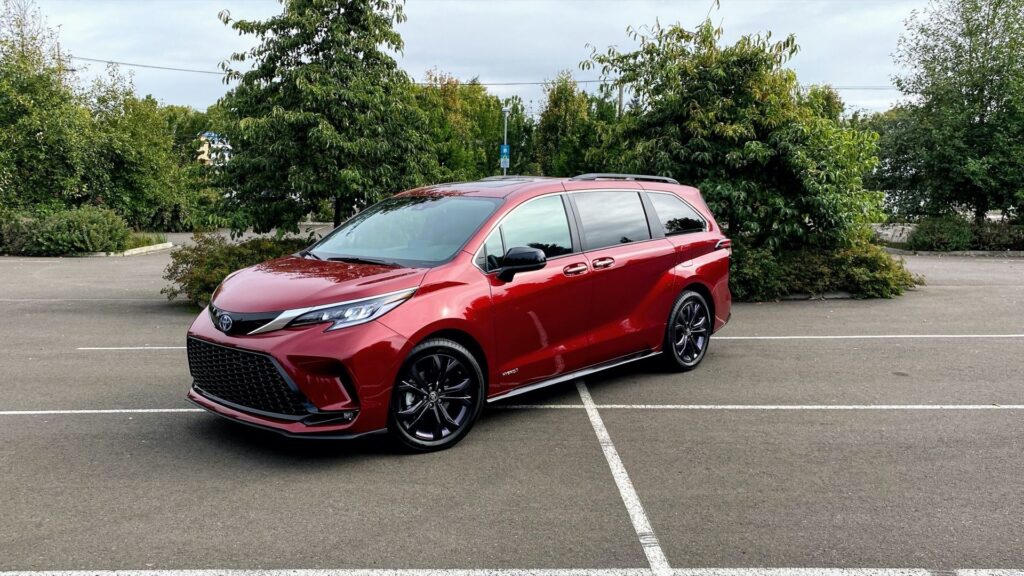
The Sienna has gone fully hybrid, and it shows in its dependability scores. Now exclusively hybrid, the Sienna blends fuel efficiency with Toyota’s established reliability record, built on an electrified powertrain that has already proven itself in other applications.
For large families who need minivan practicality, this is one of the few vehicles in its class that pairs low running costs with genuinely low problem rates.
10. Subaru Forester Hybrid
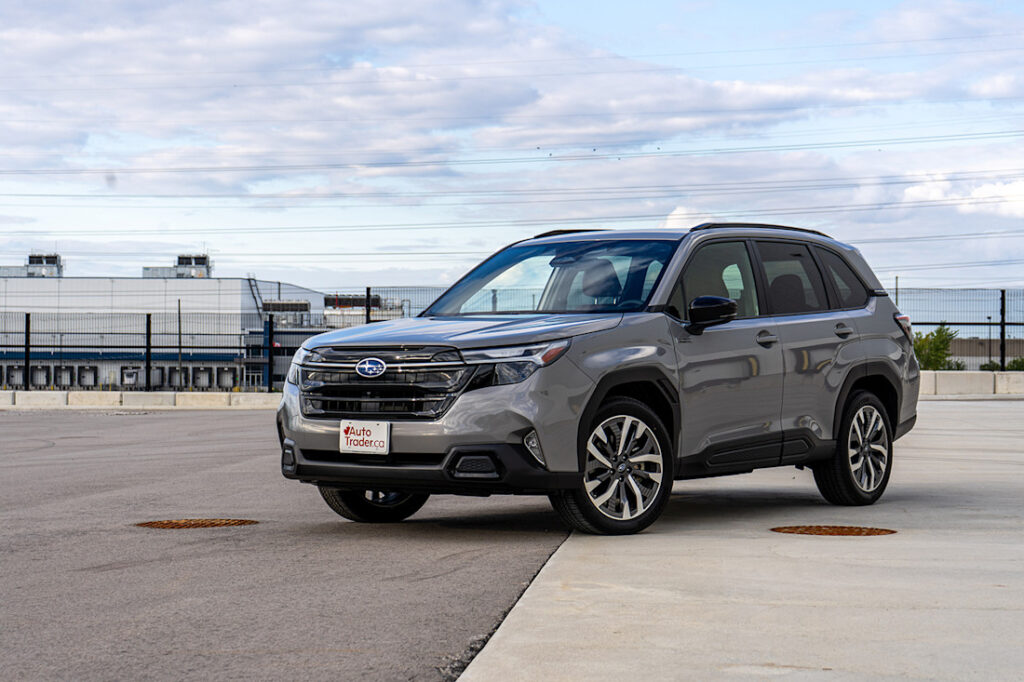
Subaru ranks second on Consumer Reports’ brand reliability list, and the Forester pairs that reputation with standard EyeSight driver assist technology and All Wheel Drive. The hybrid option is newer to this model than most others on this list, so it has less of a track record, but Subaru’s overall brand consistency gives it a reasonable benefit of the doubt.
Hybrids to Approach With More Caution
Not every hybrid on sale earns a spot among the most reliable hybrid cars, and it is worth knowing which ones to research more carefully before buying. Consumer Reports has flagged the Hyundai Sonata Hybrid for below-average reliability, pointing specifically to issues with built-in electronics and build quality, along with less smooth gear transitions than competitors.
More broadly, plug-in hybrids as a category have struggled in recent studies. Plug-in hybrid electric vehicles remain the most problematic powertrain type in J.D. Power’s 2026 study, increasing 39 problems per 100 vehicles year over year to 281 PP100. That does not mean every PHEV is unreliable, but it does mean the category as a whole needs closer scrutiny than a traditional hybrid.
Pros and Cons of Buying One of the Most Reliable Hybrid Cars
Pros
- Lower fuel costs over time, especially with gas prices trending upward
- Traditional hybrid drivetrains from established brands have a long track record of holding up well
- Resale values on proven hybrids like the Camry and RAV4 tend to stay strong
- Regenerative braking reduces wear on brake components compared to gas-only vehicles
Cons
- Upfront price is often higher than a comparable gas model
- Hybrid battery replacement, while rare on proven systems, can be expensive if it happens outside the warranty window
- Some newer or less proven hybrid systems have more complexity, and therefore more potential failure points
- Not every hybrid badge means the same level of dependability, as the plug-in hybrid category shows
Common Mistakes Buyers Make
One of the most common mistakes is assuming that all hybrids are built the same way. A Toyota hybrid and a plug-in hybrid from a brand still refining its electrified lineup are not comparable in terms of long-term ownership risk.
Another mistake is focusing only on fuel economy numbers and ignoring reliability data entirely. A hybrid that saves you money at the pump but costs you in repairs is not actually saving you anything.
Buyers also tend to overlook parts availability and dealer network size. A rare or low-volume hybrid model can leave you waiting weeks for a simple repair, even if the underlying mechanical design is solid.
Finally, people often skip checking model-specific reliability data and instead trust the brand name alone. Brand reputation matters, but individual models can differ significantly, as we saw with the Sonata Hybrid above.
Expert Tips for Choosing and Maintaining
Stick with hybrid systems that have at least three full generations of production behind them. This is the single best predictor of long-term dependability, since manufacturers use that time to fix early design flaws.
Ask about hybrid battery warranty coverage specifically, not just the general powertrain warranty. Most reliable hybrid cars from Toyota, Honda, and Lexus carry hybrid battery warranties well beyond the standard bumper-to-bumper coverage.
Keep up with routine maintenance even though hybrids need less of it than people expect. Skipping fluid changes on the hybrid transmission or letting the 12-volt auxiliary battery degrade are two of the most preventable causes of hybrid-related problems.
Read owner forums, not just professional reviews, before buying. Owners tend to report the small annoyances, as the rear hatch strut issue mentioned earlier, well before those show up in formal studies.
This kind of research is exactly what WheelsWind covers in more depth, breaking down real ownership data model by model so buyers are not relying on marketing alone.
Frequently Asked Questions
- Are hybrid cars reliable compared to gas-only vehicles?
Generally yes, though not quite at the same level. Traditional hybrids posted 213 problems per 100 vehicles in the most recent J.D. Power dependability study, compared to 198 for gas-only vehicles, a gap that is smaller than most people expect.
- What are the most reliable hybrid cars for a first-time buyer?
The Toyota Corolla Hybrid and Honda Civic Hybrid are strong starting points. Both combine a lower purchase price with proven hybrid systems and low reported problem rates.
- Do hybrid batteries really last as long as manufacturers claim?
On proven systems like Toyota’s, yes, most hybrid batteries are lasting well beyond 150,000 miles in real-world use, and manufacturer warranties typically cover the battery for eight to ten years depending on the state.
- Is a plug-in hybrid as reliable as a traditional hybrid?
No, not currently. Plug-in hybrids have consistently posted higher problem rates than traditional hybrids in recent dependability studies, largely due to the added complexity of larger batteries and charging systems.
- Which brand makes the most reliable hybrid vehicles overall?
Toyota and its luxury division Lexus consistently lead reliability rankings for hybrids, thanks to a hybrid system that has been refined across multiple generations with minimal design changes.
- Do reliable hybrids cost more to maintain than gas cars?
Not usually. Most reliable hybrid cars actually see lower brake wear thanks to regenerative braking, and routine maintenance costs are comparable to or lower than a similar gas-only model.
- Should I buy a used hybrid or a new one for better reliability?
A used hybrid from a proven model line, like an older RAV4 Hybrid or Camry Hybrid, can be just as dependable as a new one, provided the hybrid battery health has been checked and routine maintenance records are available.
- How do I check if a specific hybrid model has a good reliability record? Look at multiple sources rather than one review. Cross-reference Consumer Reports reliability scores, J.D. Power’s dependability study results, and real owner discussions on forums before making a final decision.
Hybrid cars expert opinion
The idea that hybrids are unproven or fragile technology does not hold up in 2026. The most reliable hybrid cars on the market today, particularly from Toyota, Honda, Lexus, and increasingly Kia, have years of owner data behind them showing predictable maintenance needs and strong long-term durability.
That said, reliability is not automatic just because a car has a hybrid badge. Plug-in hybrids and newer, less proven systems still carry more risk than a well-established traditional hybrid. The smartest move is to treat every model on its own merits, check the actual dependability data, and talk to real owners before you buy, which is really the whole point of ranking the most reliable hybrid cars in the first place. Do that, and a hybrid can genuinely be one of the smartest, lowest-hassle vehicles you own.