Every month brings a new electric SUV, a smarter hybrid sedan, or a futuristic crossover promising better efficiency and lower running costs. Yet one question continues to dominate conversations among drivers everywhere: Are hybrids better than EVs in 2026?
The answer is not as simple as choosing one winner. Both technologies have evolved rapidly, and each now serves a different type of driver. For some people, hybrids offer unmatched practicality and freedom. For others, electric vehicles deliver a smoother, cleaner, and more futuristic driving experience that traditional fuel-powered cars simply cannot match anymore.
The Rise of Hybrids in 2026
Hybrid vehicles have made an impressive comeback in recent years. While many expected pure electric cars to completely dominate the market by now, hybrids continue to attract drivers who want efficiency without changing their daily habits too much.
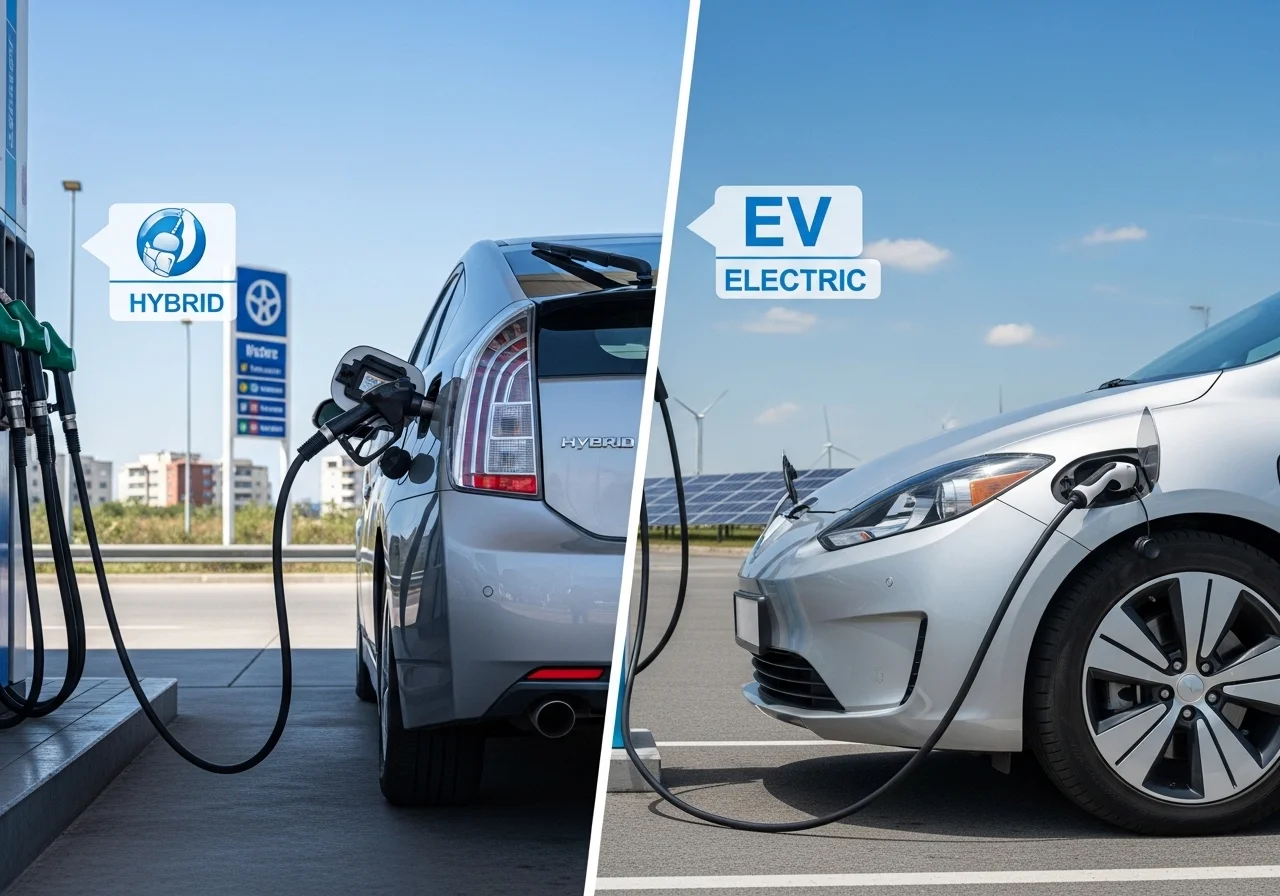
One major reason hybrids remain popular is convenience. Drivers can still stop at any fuel station and refill within minutes, exactly like they have done for decades. There is no need to search for a charging station during a long road trip or worry about battery percentages dropping unexpectedly on isolated highways. For many families, this convenience matters more than futuristic technology.
Plug-in hybrids, often called PHEVs, have become especially attractive in 2026. These vehicles can travel around 20 to 40 miles using electricity alone before switching to gasoline power. That means many owners can complete daily errands or office commutes without using fuel at all while still having a gasoline engine available for longer journeys. This balance between electric efficiency and traditional convenience is exactly why hybrids continue to thrive.
Why Many Drivers Still Prefer Hybrids
When people ask, “Are hybrids better than EVs,” they are often really asking which option creates fewer complications in daily life.
For drivers who frequently travel long distances, hybrids remain extremely appealing. Highway travel becomes stress-free because fuel stations are available almost everywhere. There is no planning around charging stops, waiting times, or charger compatibility.
Range anxiety also disappears almost entirely with hybrids. Even if the battery becomes depleted, the gasoline engine continues working normally. This reassurance gives drivers confidence during road trips, especially in regions where charging infrastructure is still developing.
Another reason hybrids remain strong in 2026 is their impressive resale value. Used car buyers appreciate vehicles that combine fuel efficiency with practicality, and hybrids often maintain their market value remarkably well. This makes them financially attractive for people thinking about long-term ownership.
Cost savings also play a major role. Models like the 2026 Hyundai Palisade Hybrid reportedly help owners save up to $1,100 annually on fuel costs. Over time, those savings can quickly recover the higher purchase price compared to traditional gasoline vehicles.
The best part is that most self-charging hybrids require no lifestyle adjustment. Owners simply drive them normally while the system manages battery charging automatically. This simplicity continues to attract buyers who are curious about electrification but not fully ready to commit to a pure EV lifestyle.
The EV Revolution Continues to Accelerate
While hybrids remain practical, electric vehicles are becoming more refined and more desirable every year.
Driving a modern EV in 2026 feels dramatically different from driving a conventional car. Instant torque delivers rapid acceleration, the cabin remains exceptionally quiet, and the smoothness of electric power creates an experience that feels premium even in affordable models.
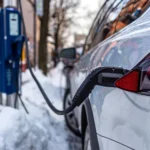
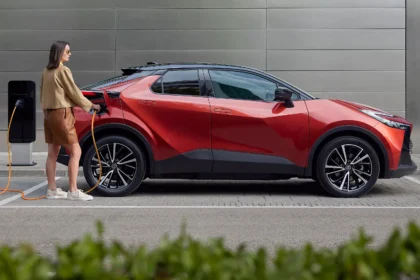
One of the biggest advantages of EV ownership is home charging. If you have access to a Level 2 charger at home, your vehicle can recharge overnight while you sleep. Every morning begins with what feels like a full tank, without stopping at a gas station.
Electric vehicles are also incredibly efficient. Unlike gasoline engines that waste significant energy through heat and combustion, EVs convert most of their energy directly into movement. This efficiency reduces operating costs while also producing zero tailpipe emissions. In crowded cities where air quality remains a concern, this environmental advantage matters greatly.
Charging Infrastructure Has Improved Dramatically
One of the biggest criticisms against EVs in earlier years was the lack of reliable charging infrastructure. In 2026, that concern is far less severe than before. Major charging networks now cover highways across multiple continents. Tesla’s Supercharger network continues expanding rapidly, while other providers have also invested heavily in fast-charging stations.
Modern fast chargers can provide substantial battery range within a short break, making long-distance travel much more realistic for EV owners. Restaurants, shopping centers, hotels, and parking areas increasingly include charging stations as standard amenities. This growth in infrastructure is changing public perception about electric vehicles. Many buyers who previously avoided EVs due to charging fears are now reconsidering their options.
Which Option Saves More Money?
Financially, both hybrids and EVs can reduce ownership costs compared to traditional gasoline vehicles.
Hybrids lower fuel expenses significantly while avoiding complete dependence on charging networks. They are especially economical for drivers who spend a lot of time in city traffic, where regenerative braking and electric assistance improve efficiency.
EVs, however, often deliver even lower running costs in the long term.
Electricity is usually cheaper than gasoline, and EVs have fewer moving mechanical parts. This means maintenance costs are often reduced because there are no oil changes, fewer fluids, and less engine-related wear.
However, the total savings depend on electricity prices, charging habits, and local incentives. In areas where electricity costs are high or public charging dominates, hybrids may remain more financially sensible.
Purchase price also influences the decision. While EV prices continue falling in 2026, some electric models still cost more upfront compared to hybrid alternatives. Buyers must therefore consider not only purchase price but also long-term ownership expenses.
Environmental Impact and Sustainability
Environmental awareness continues shaping the automotive market in 2026.
Electric vehicles produce zero tailpipe emissions, making them the cleaner option during daily driving. For environmentally conscious buyers, this remains one of the strongest arguments in favor of EVs.
Hybrids are cleaner than traditional gasoline cars but still rely partly on fossil fuels. They reduce fuel consumption substantially, yet they do not eliminate emissions entirely.
That said, sustainability discussions have become more complex in recent years. Battery production, electricity generation sources, and recycling processes all influence the true environmental footprint of EVs.
In regions powered heavily by renewable energy, EVs deliver major environmental advantages. In areas still dependent on coal or non-renewable electricity production, the gap between hybrids and EVs becomes smaller.
This means environmental benefits vary depending on where the vehicle operates.
Driving Experience and Everyday Comfort
The emotional side of driving also matters.
Electric vehicles feel futuristic. Instant acceleration creates excitement every time the driver presses the pedal, while the quiet cabin adds a sense of luxury. Many people who switch to EVs find it difficult to return to traditional engines afterward.
Hybrids, however, offer familiarity. They behave much like regular gasoline vehicles while quietly improving efficiency behind the scenes. Drivers do not need to change habits or rethink travel plans.
This difference in driving philosophy is important.
EVs represent a complete transition into a new automotive future. Hybrids act as a bridge between old and new technologies.
Some drivers love embracing the future immediately. Others prefer gradual change with minimal disruption.
So, Are Hybrids Better Than EVs in 2026?
The answer ultimately depends on your lifestyle.
If you regularly take long highway journeys, live in an area with limited charging infrastructure, or cannot install home charging, hybrids are probably the better option. They deliver excellent efficiency without requiring major changes in daily routine.
If you have reliable home charging and mostly drive locally, EVs make tremendous sense. They provide lower running costs, cleaner operation, smooth performance, and a highly modern driving experience.