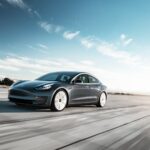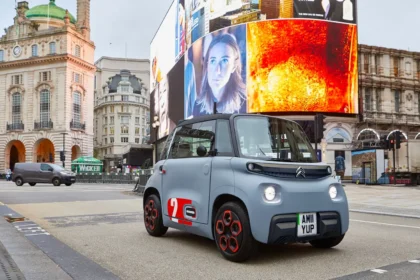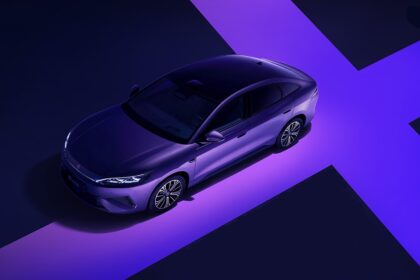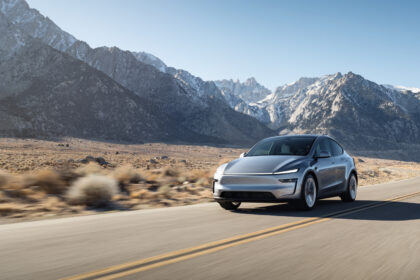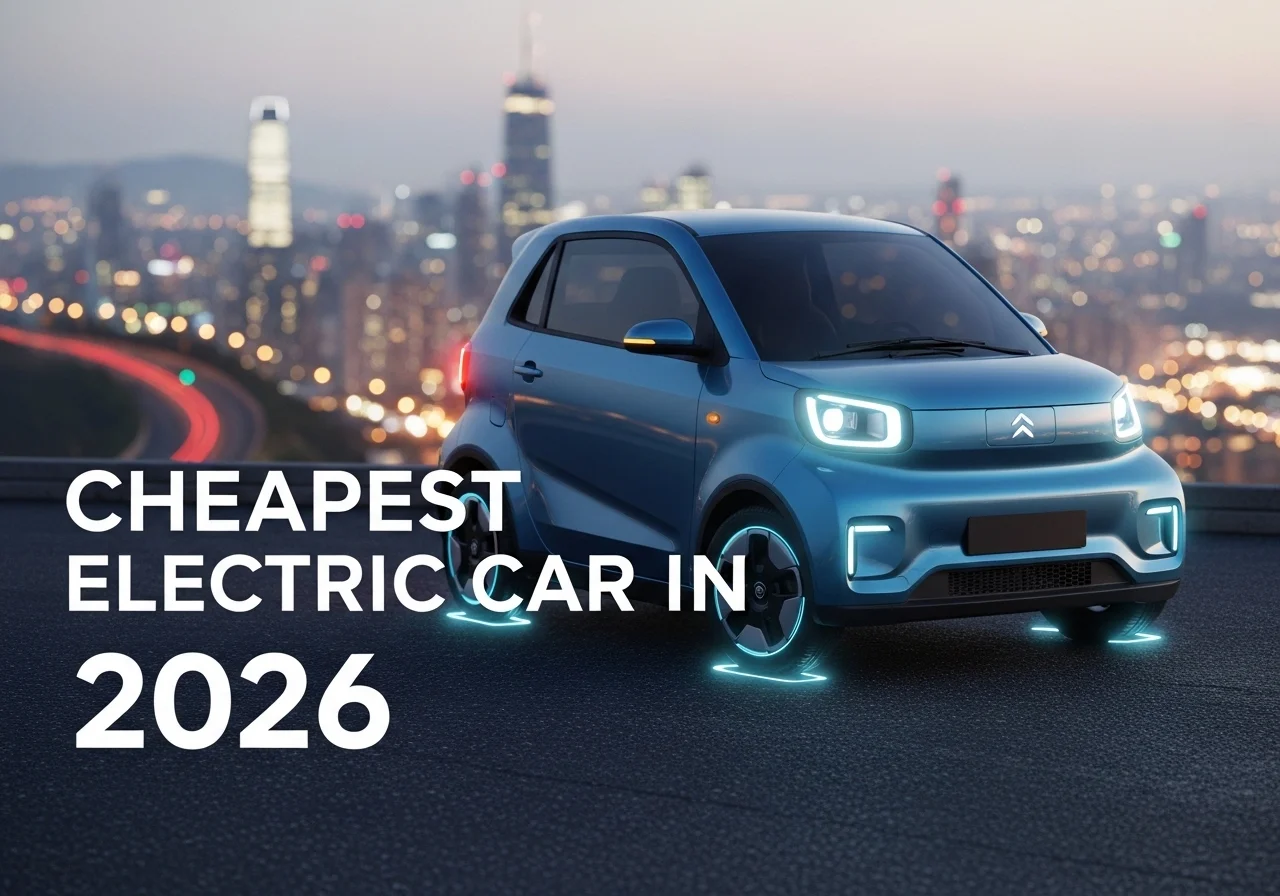
The electric vehicle market is no longer just about luxury sedans and high-priced SUVs. In 2026, buyers are paying closer attention to affordability, efficiency, and real-world value. The idea of owning an EV is becoming realistic for students, small families, city drivers, and even first-time car buyers. As battery prices slowly fall and competition rises across the automotive industry, manufacturers are racing to build models that offer practical range without crossing impossible price limits.
The search for the Cheapest electric car is not only about spending less money. It is also about reducing fuel costs, avoiding rising petrol prices, and entering the future of driving without sacrificing daily usability. Modern budget EVs now come with features that were once limited to premium vehicles. Fast charging, touchscreen infotainment, driver assistance technology, and improved battery range are now appearing in affordable models around the world.
Why Affordable Electric Cars Are Becoming Popular
Only a few years ago, Electric vehicles were viewed as expensive experiments for wealthy buyers. Most models carried high battery costs, limited range, and weak charging infrastructure. In 2026, the situation looks very different. Governments in many countries continue offering incentives for EV adoption. Charging networks are expanding rapidly in major cities and highways. Battery technology is improving, and manufacturers are finding ways to reduce production costs without lowering quality. This combination has created a market where affordable EVs are finally practical.
The average buyer today wants a vehicle that is economical to run, easy to maintain, and environmentally cleaner than traditional fuel-powered cars. Electric vehicles answer all three concerns. Since EVs have fewer moving parts, maintenance costs are often lower compared to petrol or diesel vehicles. Charging at home also remains cheaper than regular fuel expenses in many regions. Because of these changes, demand for the Cheapest electric car category has increased significantly worldwide. Buyers are searching for value rather than luxury, and manufacturers are responding aggressively.
What Defines a Budget Electric Car in 2026
Affordability in the EV market can vary depending on the region. In some countries, a budget EV may cost under $20,000, while in others it may sit closer to $30,000 due to taxes and import duties. However, the core idea remains the same. A budget electric car in 2026 usually focuses on efficiency, city-friendly dimensions, moderate driving range, and practical daily usability. These vehicles are not designed to compete with luxury electric sedans. Instead, they aim to provide reliable transportation at the lowest possible ownership cost. Most affordable EVs now offer driving ranges between 250 and 450 kilometers on a single charge. That is more than enough for urban commuting and weekend travel. Many also include smartphone integration, safety technologies, regenerative braking systems, and modern cabin layouts.
The Rise of Chinese Electric Vehicles
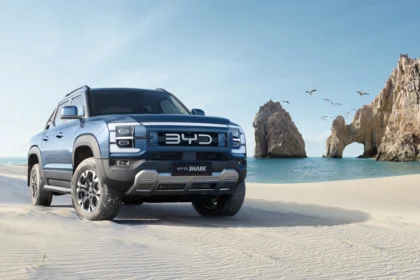
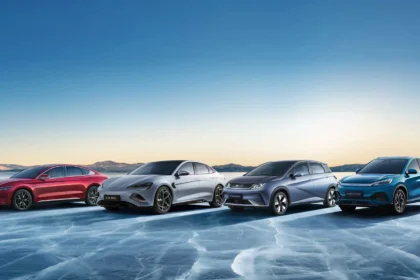
One of the biggest reasons affordable EVs are dominating headlines in 2026 is the rapid growth of Chinese manufacturers. Brands such as BYD, Wuling, Leapmotor, Geely, and MG have transformed the global electric market. Chinese companies invested heavily in battery production years before many competitors. Today, that early investment is paying off. Their vehicles often deliver strong range, advanced technology, and competitive pricing that challenges traditional automakers.
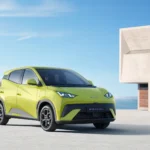
The compact hatchback segment has become especially competitive. Small electric city cars are gaining popularity because they are easy to park, efficient in traffic, and far cheaper to run compared to conventional fuel cars. Many experts believe Chinese manufacturers will continue shaping the future of the Cheapest electric car segment over the next decade. Their aggressive pricing strategies are forcing global brands to rethink their EV plans.
European Brands Are Fighting Back
While Chinese brands dominate affordability conversations, European automakers are not staying silent. Companies like Renault, Citroën, Volkswagen, and Fiat are developing smaller EV platforms specifically designed for cost-conscious buyers. Europe’s stricter emissions regulations have accelerated EV production faster than many expected. Budget electric hatchbacks are becoming extremely important in European cities where fuel prices and environmental restrictions continue rising.
Renault’s compact EV lineup has gained attention because of its balance between design, practicality, and affordability. Fiat has also focused heavily on urban electric mobility, creating stylish compact vehicles for crowded city environments. The competition between European and Chinese automakers is creating better options for buyers. This rivalry is pushing prices downward while improving battery efficiency and technology.
Battery Technology Is Changing Everything
The battery remains the most expensive component in an electric vehicle. However, 2026 is seeing major improvements in battery chemistry and manufacturing efficiency. Lithium iron phosphate batteries, often called LFP batteries, are now widely used in affordable EVs. These batteries are cheaper to produce, safer under high temperatures, and capable of long life cycles. Although they may not offer the highest energy density compared to premium battery technologies, they provide excellent value for daily driving.
Manufacturers are also improving battery packaging methods to maximize interior space while reducing weight. This helps affordable EVs achieve better range without dramatically increasing vehicle size. Because of these advancements, the Cheapest electric car category now offers ranges that would have been considered premium just a few years ago.
Charging Infrastructure Continues Expanding
Fast charging stations are appearing in shopping malls, office areas, parking facilities, and highways. Home charging solutions are also becoming more affordable and efficient. Some governments are even supporting residential charger installation programs. For budget EV owners, overnight home charging remains the most practical solution. A small city EV can often be fully charged overnight using standard home electricity systems. The growth of charging networks is making affordable EV ownership less stressful. Buyers who once hesitated due to charging concerns are now more willing to switch from petrol-powered vehicles.
Compact Electric Cars Are Perfect for Cities
Urban traffic conditions are one of the main reasons compact EVs are thriving. Smaller electric vehicles are ideal for crowded roads, tight parking spaces, and short-distance commuting. Many affordable EVs in 2026 are designed specifically for city life. They offer instant electric torque, smooth acceleration in traffic, and low operating costs. Drivers also enjoy quieter cabins and reduced vibration compared to conventional fuel-powered vehicles.
For younger buyers and first-time car owners, a compact EV provides modern technology without overwhelming ownership expenses. Insurance costs are often lower, maintenance is simpler, and energy efficiency is excellent.
Affordable EVs Are Becoming More Stylish
Budget vehicles once had a reputation for bland styling and low-quality interiors. That perception is changing quickly in 2026. Manufacturers now understand that younger buyers care deeply about design and technology. Even low-cost EVs feature futuristic lighting signatures, aerodynamic bodywork, touchscreen displays, and digital instrument clusters. Interior quality has also improved significantly. Many affordable EVs now include soft-touch materials, wireless smartphone connectivity, ambient lighting, and modern dashboard layouts. Automakers know that design matters emotionally. Buyers want affordable cars that still feel exciting and futuristic. This emotional connection is helping electric vehicles attract more customers globally.
Safety Standards Are Improving
Modern affordable electric vehicles are no longer stripped-down economy machines. Safety has become a major focus for manufacturers across every price segment. Even entry-level EVs increasingly include features such as automatic emergency braking, lane departure warning systems, adaptive cruise control, parking sensors, and multiple airbags.
Crash structure engineering has also improved. Battery packs are now integrated more safely into vehicle platforms, helping maintain cabin protection during collisions. As safety technologies become cheaper to produce, the overall value proposition of affordable EVs continues strengthening.
The Real Cost of EV Ownership
Many buyers focus only on purchase price, but long-term ownership costs are equally important. Electric vehicles often save owners money through lower maintenance and reduced fuel expenses. Petrol engines contain hundreds of moving components requiring regular servicing. EV powertrains are mechanically simpler, reducing maintenance complexity. Oil changes, spark plugs, and many traditional service items disappear entirely.
Challenges Still Facing Affordable EVs
Despite impressive progress, affordable electric vehicles still face certain challenges in 2026. Battery replacement costs remain expensive, although battery longevity continues improving. Charging infrastructure in rural areas can also be inconsistent depending on the region. Some buyers still experience range anxiety during long-distance travel.
Cold weather performance is another factor affecting EV efficiency. Extremely low temperatures can reduce driving range temporarily. In developing markets, import taxes and limited local assembly operations may increase prices beyond what many buyers can comfortably afford. Governments and manufacturers continue working toward solving these issues, but the transition remains gradual.
Electric Cars in Pakistan and Emerging Markets
Countries like Pakistan are also becoming increasingly interested in electric mobility. Rising fuel prices and growing environmental awareness are encouraging discussions around EV adoption. However, affordability remains the biggest challenge in many developing economies. Imported EVs often become expensive due to duties and taxes. Local assembly operations may play a major role in reducing prices in the future.
Chinese manufacturers are expected to heavily influence EV growth in South Asian markets because of their aggressive pricing strategies. Compact urban EVs could become especially popular in crowded cities where fuel efficiency matters greatly.
What Buyers Should Look for Before Purchasing
Choosing an affordable electric vehicle involves more than simply selecting the lowest price. Buyers should carefully consider range, charging compatibility, warranty coverage, battery technology, and after-sales support. A slightly more expensive EV with better battery reliability and charging capability may deliver greater long-term value than the absolute cheapest option available.
Potential owners should also think about daily driving habits. Urban commuters may not require extremely long driving ranges, while highway users may benefit from larger battery capacities. Test driving remains important as well. Electric cars deliver power differently from petrol vehicles, and experiencing that smooth acceleration firsthand often changes buyer perceptions immediately.
The Future of Budget EVs Looks Strong
The electric vehicle industry is entering a new phase where affordability matters more than exclusivity. Carmakers now realize that mass adoption depends on creating practical EVs for average consumers rather than focusing only on premium luxury segments. Competition is becoming intense, and that benefits buyers. Better batteries, improved charging systems, stronger safety technologies, and more attractive designs are arriving even in entry-level electric vehicles.