Article Highlights
• Global Electric Vehicles Market projected to exceed $1.7 trillion by 2030
• Clean energy integration is accelerating EV infrastructure deployment worldwide
• Government incentives and policy frameworks driving Electric Market Expansion
• Battery technology breakthroughs are reducing EV costs to near price parity with ICE vehicles
• Electric Cars Market leaders: Tesla, BYD, Volkswagen, and emerging Asian manufacturers
• Renewable energy-powered charging networks transforming the EV ecosystem
• Developing economies emerging as high-growth zones for the Electric Market
• Smart grid integration and V2G technology creating new value for EV owners
Introduction:
A New Era for the Electric Vehicles Market
The global Electric Vehicles Market is undergoing one of the most transformative shifts in transportation history. Fueled by a convergence of clean energy innovation, progressive government policy, and rapidly maturing battery technology, the Electric Vehicles Market has evolved from a niche segment into one of the most dynamic and consequential sectors of the modern economy. From bustling urban centers in Europe and North America to rapidly industrializing regions in Southeast Asia and Africa, the Electric Market is reshaping how people, goods, and services move across the planet.
At Wheels Wind, we track these developments closely because they represent far more than a change in powertrain technology; they signal a fundamental reimagining of energy consumption, urban infrastructure, and environmental responsibility. The transition from fossil-fuel-dependent transportation to clean energy mobility is no longer a distant aspiration; it is an accelerating reality backed by hundreds of billions of dollars in investment and political will across the globe.
This comprehensive article explores the key forces driving Electric Market Expansion, examines the major players shaping the Electric Cars Market, and outlines the clean energy ecosystem that enables sustained EV growth. Whether you are an investor, policymaker, automotive enthusiast, or conscious consumer, understanding the dynamics of the Electric Vehicles Market has never been more relevant or more urgent.
1. The Scale of Global Electric Vehicles Market Growth
The numbers that define the Electric Vehicles Market today would have seemed almost fantastical just a decade ago. According to the International Energy Agency (IEA), global EV sales surpassed 18 million units in 2023, representing roughly 18% of all new passenger car sales worldwide. Projections for 2026 suggest this figure has continued to climb sharply, with the Electric Vehicles Market expected to account for over 28% of global new vehicle sales.
The total market valuation of the Electric Market is on a steep upward trajectory. Industry analysts forecast the global Electric Vehicles Market to exceed USD 1.7 trillion by 2030, growing at a compound annual growth rate (CAGR) of over 22% from 2024 to 2030. This Electric Market Expansion is driven not only by passenger vehicles but also by the electrification of commercial fleets, twowheelers, public transit systems, and last-mile delivery vehicles.
China remains the single largest contributor to global Electric Market growth, accounting for approximately 60% of global EV sales. However, Europe has emerged as the second-largest and fastest-accelerating region, with countries like Norway, where EVs account for over 90% of new car registrations, serving as a blueprint for full-scale Electric Market Expansion. The United States, India, and several Southeast Asian nations are also emerging as critical growth arenas in the global Electric Cars Market.
2. Clean Energy: The Foundation of Sustainable EV Growth
No analysis of the Electric Vehicles Market is complete without a deep examination of the clean energy ecosystem that sustains it. The environmental promise of electric vehicles is only fulfilled when the electricity powering them is generated from renewable or low-carbon sources. This fundamental principle has made clean energy development inseparable from the long-term health of the Electric Market.
Solar and wind power generation have scaled dramatically in recent years, with the global cost of utility-scale solar electricity falling by more than 89% between 2010 and 2024. This cost revolution has made clean energy not only environmentally superior but also economically competitive with, and in most cases cheaper than, fossil-fuel-based electricity generation. As clean energy becomes the dominant source of grid power across major economies, the lifecycle carbon footprint of electric cars shrinks proportionally.
Grids powered by clean energy are transforming the value proposition of EV ownership. When an EV owner charges their vehicle overnight using solar- or wind-generated electricity, the vehicle effectively operates with near-zero greenhouse gas emissions. This alignment of clean energy supply and EV demand is the cornerstone of a genuinely sustainable transportation future and the primary long-term catalyst for global Electric Vehicles Market growth.
The relationship between clean energy and the Electric Vehicles Market is also bidirectional. As EV adoption grows, the aggregate battery capacity of the vehicle fleet creates an enormous distributed energy storage resource. Vehicle-to-Grid (V2G) technology enables EVs to feed stored energy back into the grid during peak demand periods, enhancing grid stability and creating new revenue streams for EV owners. This symbiosis between the Electric Market and the clean energy sector is one of the most exciting and underreported dynamics in global energy policy.
3. Government Policy and Regulatory Frameworks
Government policy has been a decisive catalyst for Electric Market Expansion across every major geography. From purchase subsidies and tax credits to outright bans on the sale of internal combustion engine (ICE) vehicles, policymakers worldwide have deployed an extensive toolkit to accelerate the adoption of electric cars.
The United States Inflation Reduction Act (IRA) of 2022, which extended and enhanced EV tax credits of up to USD 7,500 for qualifying vehicles, has had a profound effect on the American segment of the Electric Vehicles Market. The IRA also introduced credits for used EVs and commercial electric vehicles, broadening access to the Electric Market across income levels and business categories. Subsequent regulatory actions by the EPA proposing stricter vehicle emissions standards have further reinforced the policy tailwind behind Electric Market Expansion in the U.S.
The European Union’s landmark decision to effectively ban the sale of new petrol and diesel cars from 2035 has provided the Electric Cars Market with one of the most powerful signals of demand certainty in automotive history. European automakers have responded with massive investments in EV platforms, battery manufacturing capacity, and charging infrastructure. Germany, France, and the Netherlands have each committed to comprehensive national EV strategies that encompass infrastructure, workforce retraining, and supply chain development.
In Asia, China’s New Energy Vehicle (NEV) mandates require automakers to meet escalating quotas for zero-emission vehicle sales, creating a structural compulsion for Electric Market participation regardless of short-term market conditions. India’s FAME (Faster Adoption and Manufacturing of Electric Vehicles) scheme and PLI (Production Linked Incentive) program are spurring domestic manufacturing of Electric Vehicles, positioning India as both a major consumer and an emerging producer in the global Electric Vehicle market.
4. Battery Technology
If clean energy is the soul of the Electric Vehicles Market, battery technology is its engine. The dramatic improvements in battery energy density, charging speed, longevity, and cost over the past decade have been the single most important technological driver of Electric Market Expansion.
The cost of lithium-ion battery packs has fallen from approximately USD 1,200 per kilowatt-hour in 2010 to under USD 100 per kWh in 2024, a reduction of over 90%. At this price point, electric cars are approaching total cost of ownership parity with their ICE counterparts. In many categories, EVs are already cheaper to own and operate over a vehicle’s lifetime. Industry forecasts suggest battery pack costs will fall below USD 60 per kWh by 2030, at which point the upfront purchase price parity of EVs and ICE vehicles will be achieved in most market segments.
Solid-state batteries represent the next frontier for the Electric Vehicles Market. Unlike conventional liquid electrolyte lithium-ion batteries, solid-state batteries offer higher energy density, faster charging, greater thermal stability, and longer cycle life. Toyota, Samsung SDI, QuantumScape, and several Chinese manufacturers are racing to commercialize solid-state technology, with pilot production expected to begin entering the Electric Market between 2027 and 2030.
Charging speed has also advanced substantially, addressing one of the most cited consumer concerns about the adoption of electric cars. Ultrafast DC charging infrastructure capable of delivering 350 kW or more, sufficient to add over 300 km of range in under 15 minutes, is now being deployed across major highway corridors in North America, Europe, and China. The expansion of this infrastructure is one of the most critical enablers of sustained Electric Market growth, particularly for consumers without access to home charging.
5. Key Players Shaping the Global Electric Market
Tesla: The Pioneer That Defined an Industry
Tesla remains the most recognizable brand in the global Electric Vehicles Market, having virtually created the template for a commercially viable premium EV. From the Model S, which demonstrated that range was not a fundamental barrier, to the Model 3 and Model Y, which brought the Electric Car Market to mass affordability, Tesla’s influence on the Electric Market is immeasurable. Its proprietary Supercharger network, which has been opened to other brands in key markets, has also shaped the charging infrastructure landscape.
BYD: China’s Electric Market Champion
BYD has emerged as the world’s bestselling EV manufacturer by volume, leveraging its vertically integrated model, which includes in-house battery production via its Blade Battery technology, to achieve cost and quality advantages that have disrupted the global EV market. BYD’s aggressive international expansion into Europe, Southeast Asia, and Latin America signals that China’s Electric Market dominance will increasingly translate into global market share.
Volkswagen Group and European Automakers
The Volkswagen Group’s commitment to the Electric Cars Market, encompassing brands including Volkswagen, Audi, Porsche, and SEAT, represents one of the largest industrial transformation efforts in history. The group’s MEB electric platform and its planned Gigafactories across Europe and North America underscore the scale of commitment from legacy automakers to the Electric Market Expansion.
Emerging Players and Startups
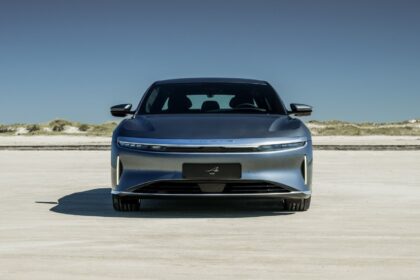
The Electric Vehicles Market has also been shaped by a wave of new entrants that have challenged legacy assumptions. Companies like Rivian, Lucid Motors, NIO, Li Auto, and XPeng have introduced innovative business models, advanced software-defined vehicle architectures, and novel ownership experiences that are expanding what the Electric Market can mean to consumers. These companies represent both competition and inspiration for the broader Electric Cars Market ecosystem.
6. EV Charging Infrastructure and Clean Energy Integration
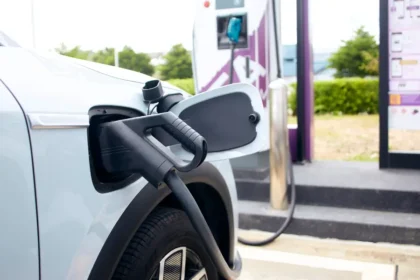
The expansion of EV charging infrastructure is one of the most consequential and capital-intensive dimensions of Electric Market growth. A robust, reliable, and widely accessible charging network is not merely a convenience; it is a prerequisite for mainstream consumer confidence in the Electric Vehicles Market. Governments and private investors worldwide have committed hundreds of billions of dollars to building the backbone of a clean energy-powered mobility network.
In the United States, the Biden administration’s National Electric Vehicle Infrastructure (NEVI) program allocated USD 7.5 billion to deploy EV charging stations along major highway corridors. This program has continued under subsequent administrations as a bipartisan infrastructure priority. Similarly, the European Union’s Alternative Fuels Infrastructure Regulation (AFIR) mandates the installation of public EV charging points every 60 km along the Trans-European Transport Network by 2025.
Critically, the integration of charging infrastructure with clean energy sources is becoming standard practice rather than an exception. Solar-powered charging stations, often equipped with battery storage to provide reliable charging even during grid outages or periods of low solar irradiance, are being deployed across urban centers, highway rest areas, and commercial properties. This convergence of the Electric Market and clean energy infrastructure is creating resilient, low-carbon charging ecosystems that reinforce the sustainability credentials of EV adoption.
7. Supply Chain Dynamics: Lithium, Cobalt, and Critical Minerals
The Electric Vehicles Market’s dependence on critical minerals, particularly lithium, cobalt, nickel, and manganese, has emerged as a central strategic concern for governments, automakers, and investors. The concentration of these mineral reserves in a small number of geographies, along with the environmental and social concerns associated with their extraction, creates supply chain vulnerabilities that could constrain the pace of Electric Market Expansion if left unaddressed.
Lithium supply is projected to face significant strain as the Electric Cars Market continues to grow. While global lithium reserves are technically sufficient to support long-term EV demand, the capital investment and regulatory timelines required to bring new mining projects into production could lead to near-term supply gaps. Recycling of spent EV batteries is emerging as a critical secondary source of lithium, cobalt, and other materials, with companies like Redwood Materials and LiCycle building industrial-scale battery recycling operations in North America.
The shift toward lithium iron phosphate (LFP) chemistry, which eliminates cobalt and uses more abundant iron, is already reducing the Electric Vehicles Market’s dependence on the most geopolitically sensitive mineral inputs. As solid-state and sodium-ion batteries continue to mature, the critical mineral profile of the Electric Market is expected to become more diversified and less concentrated in high-risk supply chains.
8. Electric Market Expansion in Developing Economies
While advanced economies have predominantly led the Electric Vehicles Market, developing nations represent the next great frontier for Electric Market Expansion. The combination of rapidly growing urban populations, severe urban air quality crises, increasing energy import dependence, and the availability of leapfrog technology adoption creates compelling conditions for accelerated EV uptake in markets across Africa, South Asia, and Southeast Asia.
India’s Electric Vehicles Market is growing at a particularly impressive rate, with EV twowheelers and threewheelers the workhorses of Indian urban mobility leading adoption. Government schemes and rising domestic manufacturing capability are positioning India to become one of the top three Electric Market geographies globally within this decade. The country’s abundant solar resources also create favorable conditions for a clean energy-powered EV ecosystem.
In Sub-Saharan Africa, the Electric Cars Market is still nascent, but the foundations are being laid through pilot programs, regulatory frameworks, and early investments in charging infrastructure. Countries like Kenya, Rwanda, and South Africa are exploring EV adoption to reduce fuel import costs and leverage expanding renewable energy capacity. For readers following the EV space through platforms like Wheels Wind, these emerging markets will be among the most dynamic stories in global transportation over the coming decade.
9. Consumer Trends, Preferences, and Behavioral Shifts
Consumer attitudes toward the Electric Vehicles Market have undergone a remarkable shift in recent years. What was once perceived as a technology for early adopters, green-minded consumers willing to accept range anxiety and charging inconvenience for the sake of environmental values, has evolved into a mainstream consideration for car buyers across income levels, geographies, and use cases.
Range anxiety, long one of the most cited barriers to the adoption of electric cars, has been substantially mitigated by the combination of longer-range batteries and denser charging infrastructure. Today’s Electric Market vehicles regularly offer real-world ranges of 400 to 600 km per charge, sufficient for the overwhelming majority of consumer driving patterns. Research consistently shows that the average driver travels less than 60 km per day, well within the capability of even entry-level EVs.
Awareness of the total cost of ownership (TCO) is also growing among consumers, as studies demonstrate that Electric Vehicle products consistently outperform ICE vehicles in operational costs. Lower fuel costs, particularly relevant as electricity prices remain more stable than petrol prices over time, combined with reduced maintenance requirements (fewer moving parts, no oil changes, regenerative braking extending brake life), make a compelling economic case for EV adoption beyond environmental motivation.
10. Challenges and Headwinds Facing the Electric Vehicles Market
Despite its extraordinary momentum, the Electric Vehicles Market faces genuine challenges that must be acknowledged for a complete and honest analysis. Understanding these headwinds is as important as celebrating the tailwinds, particularly for investors and policymakers navigating the complexities of Electric Market Expansion.
Grid capacity and reliability remain pressing concerns in many markets. The rapid scaling of EV adoption places new demands on electricity grids that were designed for a very different demand profile. Smart charging management systems, time-of-use pricing, and demand response programs are being deployed to manage this transition. Still, grid modernization investment must keep pace with the electric car market and industry growth to prevent localized stress events.
Affordability at the entry level remains a barrier for lower-income consumers in both developed and developing markets. While the Electric Vehicles Market has made tremendous progress in bringing down vehicle prices, entry-level EVs still command a premium over comparable ICE vehicles in most markets. Expanding access to affordable financing, secondhand EV markets, and shared mobility electric solutions will be essential for the Electric Market to achieve truly inclusive scale.
Finally, consumer education and trust remain ongoing challenges. Misinformation about EV capabilities, charging times, battery longevity, and fire safety continues to circulate in certain media ecosystems. Industry stakeholders, media platforms like Wheels Wind, and government agencies all play a role in providing accurate, balanced, and accessible information to help consumers make informed decisions about the Electric Cars Market.
11. The Role of Software, AI, and Connectivity in the Electric Market
One of the most underappreciated dimensions of the Electric Vehicles Market is the profound role of software, artificial intelligence, and connectivity in defining the EV product experience. Unlike ICE vehicles, which are fundamentally mechanical products that change little after purchase, electric vehicles are software-defined platforms that can improve continuously through over-the-air (OTA) updates, much like smartphones.
AI-powered energy management systems optimize real-time energy consumption, predictive range estimation, and adaptive charging scheduling based on driver behavior patterns, weather conditions, and grid pricing signals. These capabilities make Electric Market vehicles not only smarter but also more efficient and convenient, further reinforcing the consumer value proposition. Autonomous driving capabilities, which are closely intertwined with the EV platforms that provide the power and compute architecture required, represent another dimension in which the Electric Cars Market is redefining transportation.
12. Investment Flows and Financial Ecosystem
The financial ecosystem surrounding the Electric Vehicles Market has become one of the most vibrant investment arenas in the global economy. Venture capital, private equity, sovereign wealth funds, and public market investors are all deploying capital across the full value chain of the Electric Market, from upstream mining and battery materials to vehicle manufacturing, charging networks, software platforms, and recycling.
BloombergNEF estimates that the global Electric Vehicle Market attracted over USD 500 billion in investment in 2023 alone, with projections suggesting cumulative investment will exceed USD 5 trillion through 2030. This capital deployment is creating new industries, transforming existing ones, and generating significant employment across the clean energy and Electric Market value chain. For the readers of Wheels Wind, these investment flows offer both financial opportunity and a lens through which to understand the speed and scale of the energy transition.
The Road Ahead for the Electric Vehicles Market
The Electric Vehicles Market stands at an extraordinary inflection point. The convergence of clean energy abundance, policy ambition, technological breakthroughs, and shifting consumer preferences has created conditions for the most rapid and consequential transformation of global transportation since the invention of the automobile itself. The Electric Market Expansion is no longer a conditional forecast; it is an unfolding reality whose pace continues to accelerate with each passing year.
From the battery gigafactories rising across Europe, North America, and Asia to the solar-powered charging stations serving commuters in Nairobi and New Delhi, the global infrastructure of a clean-energy transportation economy is being built in real time. The Electric Cars Market is moving from margin to mainstream, from aspiration to expectation, from pilot project to foundational industry.
At Wheels Wind, the Electric Vehicles Market is one of the most important and exciting stories at the intersection of technology, the environment, and human progress. The challenges ahead, supply chain resilience, grid modernization, affordability, and consumer education, are real, but they are challenges of scale and execution, not fundamental viability. The direction of travel is clear, the momentum is irreversible, and the destination, a clean energy-powered global transportation system, is worth every mile of the journey.