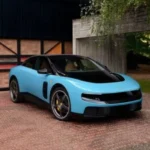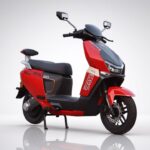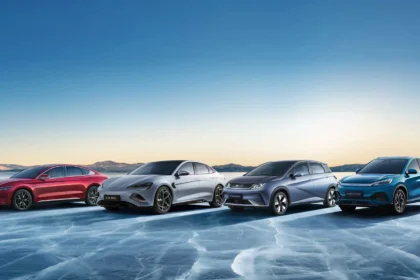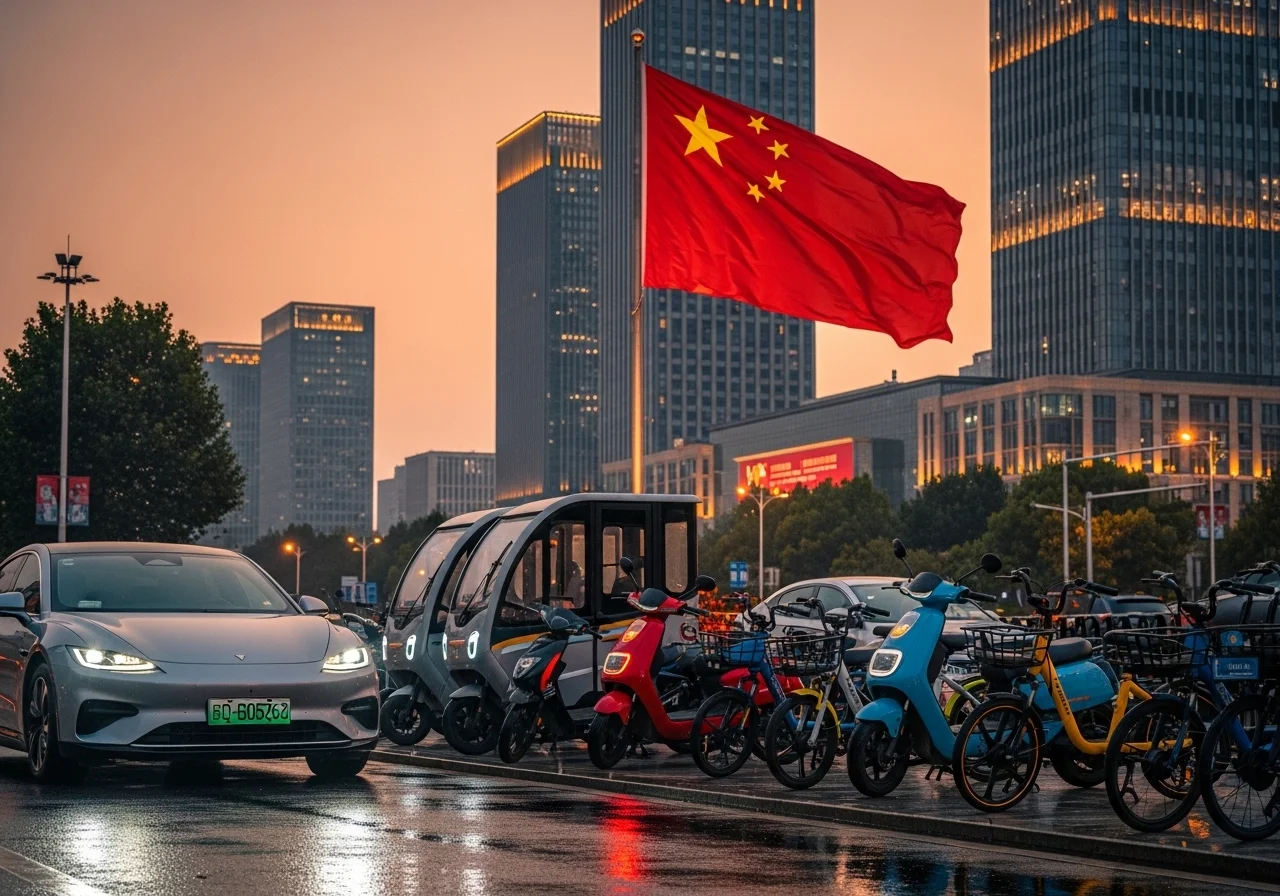
Over the past decade, China has moved from being a major automotive market to becoming the global leader in electric vehicle production, battery manufacturing, and EV innovation. Today, Chinese automakers are influencing vehicle prices, supply chains, and competition across every major automotive region.
For consumers, manufacturers, and governments, understanding China’s Expanding EV Industry is essential because its influence extends far beyond Chinese borders. From affordable electric cars to battery technology breakthroughs, China’s EV growth is reshaping the future of transportation worldwide.
How China Became the Global EV Leader
China’s rise in the Electric vehicle sector did not happen overnight. The country invested heavily in EV technology, battery production, charging infrastructure, and manufacturing capabilities. These long-term investments allowed Chinese companies to gain a significant advantage over many traditional automakers.
Today, China produces roughly 75 percent of the world’s electric vehicles and more than 80 percent of global battery cells. This level of dominance has created a powerful ecosystem where automakers, battery suppliers, and technology companies work together to improve efficiency and reduce costs.
The Cost Advantage That Changed the Market
One of the biggest reasons behind China’s success is its ability to manufacture EVs at lower costs. Chinese companies benefit from massive production volumes, streamlined supply chains, and strong control over battery materials.
In China, nearly two-thirds of fully electric vehicles are now cheaper to purchase than comparable internal combustion engine vehicles. This is a remarkable achievement considering that EVs were once significantly more expensive than traditional cars.
Battery technology plays a major role in this cost advantage. Chinese manufacturers have scaled production to such an extent that Lithium Iron Phosphate batteries have fallen below the important $100 per kilowatt-hour threshold. Lower battery costs translate directly into lower vehicle prices, making electric cars more accessible to everyday consumers.
China’s Domestic EV Market Reaches New Heights
The Chinese domestic market has undergone a dramatic transformation in recent years. Electric vehicles have moved from a niche segment to the dominant choice for many consumers.
Battery electric vehicles, plug-in hybrid vehicles, and extended-range electric vehicles now account for approximately 62.9 percent of China’s retail vehicle market. Meanwhile, traditional gasoline-powered vehicles have fallen to just 37.1 percent of sales.
This shift demonstrates how rapidly consumer preferences have changed. Buyers are increasingly attracted to advanced technology, lower operating costs, and government support for cleaner transportation options.
Because domestic EV adoption has become so strong, manufacturers have built enormous production capacity. However, local production now exceeds domestic demand, creating a strong incentive for companies to expand into international markets.
Export Growth Is Reshaping Global Markets
As Chinese manufacturers look beyond their home market, exports have become a major growth engine. Chinese automakers recently exported between 2.5 and 2.6 million electric vehicles in a single year, effectively doubling previous annual figures. Export momentum continues to accelerate, with shipments increasing by around 40 percent year over year.
In one month alone, approximately 278,000 electric vehicles were shipped overseas. These numbers highlight how aggressively Chinese brands are expanding their international presence.
Leading this expansion is BYD, which has surpassed Tesla as the world’s largest EV seller. The company sold more than 160,000 vehicles abroad during a single month and is targeting exports of 1.5 million vehicles annually. The rapid international growth of China’s Expanding EV Industry is creating new opportunities for consumers while increasing competitive pressure on established automakers around the world.
BYD and Other Chinese Brands Challenge Global Leaders
BYD currently holds approximately 19 percent of global EV market share, making it the largest EV manufacturer in the world. Tesla follows with about 7.8 percent. Several Chinese companies occupy positions among the world’s top EV sellers, including Geely, Wuling, Leapmotor, Aito, Xpeng, and Li Auto. In fact, Chinese manufacturers now hold seven of the top ten positions in global EV sales rankings.
This success reflects the ability of Chinese brands to offer advanced technology, attractive features, and competitive pricing simultaneously. Consumers in many markets are discovering that Chinese EVs often provide premium technology at prices that traditional automakers struggle to match.
Pressure on Legacy Automakers
The rise of Chinese EV manufacturers has forced traditional automotive companies to rethink their strategies. For decades, many established brands dominated global markets through strong reputations and extensive dealer networks. However, the emergence of affordable and technologically advanced Chinese electric vehicles has disrupted this advantage.
Legacy manufacturers in Europe, Japan, and North America are now investing billions of dollars in EV development. They are accelerating research programs, expanding battery partnerships, and lowering vehicle prices to remain competitive. Many automakers are also accepting lower profit margins in order to increase EV adoption and defend market share. The competitive pressure generated by China’s Expanding EV Industry has effectively accelerated innovation throughout the entire automotive sector.
The Importance of Battery Dominance
China accounts for more than 80 percent of global battery cell manufacturing capacity and maintains even stronger positions in the refining of critical battery materials.
Because batteries represent one of the most expensive components of an electric vehicle, controlling battery production creates a substantial competitive advantage. Chinese battery manufacturers continue to expand their global footprint. Even within Europe, the market share of Chinese-headquartered battery producers has nearly doubled. This growing influence means that many international automakers remain heavily dependent on Chinese battery technology and supply chains.
Supply Chain Risks for the Rest of the World
The concentration of battery production and EV manufacturing within a single country introduces significant supply chain risks. Any disruption caused by geopolitical tensions, trade restrictions, natural disasters, or industrial issues could impact vehicle production worldwide. Even a moderate supply shock could trigger battery shortages that affect manufacturers across Europe, Japan, and North America.
To reduce this risk, many governments and automakers are investing in domestic battery plants and localized supply chains. However, building alternative production networks takes time and significant financial investment. For the foreseeable future, global EV production will remain closely tied to Chinese manufacturing capabilities.
Trade Tensions and Geopolitical Challenges
As Chinese exports continue growing, governments around the world are responding in different ways. The European Union has introduced tariffs on certain Chinese electric vehicles, while Mexico has also implemented measures aimed at limiting the influx of low-cost imports.
The United States remains largely inaccessible to Chinese automakers due to significant trade barriers and regulatory restrictions. These policies reflect concerns about domestic manufacturing competitiveness and supply chain security. However, they have also encouraged Chinese manufacturers to redirect their focus toward emerging markets where demand for affordable electric vehicles is growing rapidly.
Expansion into Emerging Markets
Unable to access some Western markets easily, Chinese automakers have increasingly targeted developing economies. Regions such as Latin America, the Middle East, and Southeast Asia have become major destinations for Chinese EV exports. Countries like Brazil are witnessing rapid growth in Chinese vehicle sales due to attractive pricing and expanding charging infrastructure. For many consumers in these regions, Chinese electric vehicles represent an affordable path toward modern transportation technology.
As incomes rise and governments pursue cleaner mobility solutions, these markets are expected to become increasingly important for future growth. The expansion into emerging economies demonstrates the adaptability and global ambitions of China’s Expanding EV Industry.
Environmental and Economic Implications
Industry forecasts suggest that China could control approximately 57 percent of the global EV fleet by the end of the decade, representing around 238 million vehicles. This massive adoption of electric transportation is expected to reduce global oil consumption by approximately 2.75 million barrels per day. Such a reduction could significantly alter international energy markets and reduce dependence on fossil fuels.
From an economic perspective, China’s transition toward electric mobility is projected to generate annual benefits of approximately 117 billion US dollars through reduced oil imports and carbon-related revenues. These figures highlight how transportation electrification can influence both environmental sustainability and national economic performance.
What This Means for the Future of the Automotive Industry
The future of the automotive industry will be heavily influenced by China’s leadership in electric mobility. Automakers worldwide are being forced to innovate faster, improve efficiency, and develop more affordable electric vehicles. Consumers are benefiting from increased competition, better technology, and lower prices. Meanwhile, governments are reevaluating industrial policies to strengthen domestic EV ecosystems.
Although challenges related to trade, supply chains, and geopolitical tensions remain, there is little doubt that China will continue playing a central role in shaping the next generation of transportation.
Conclusion
The rise of China’s Expanding EV Industry represents one of the most significant developments in modern automotive history. Through massive production capacity, battery leadership, competitive pricing, and rapid innovation, China has transformed itself into the world’s EV powerhouse.
As the global transition toward sustainable transportation accelerates, China’s Expanding EV Industry will remain a major force driving change across the automotive world. For industry observers, manufacturers, and everyday drivers alike, understanding this transformation is essential to understanding the future of mobility.