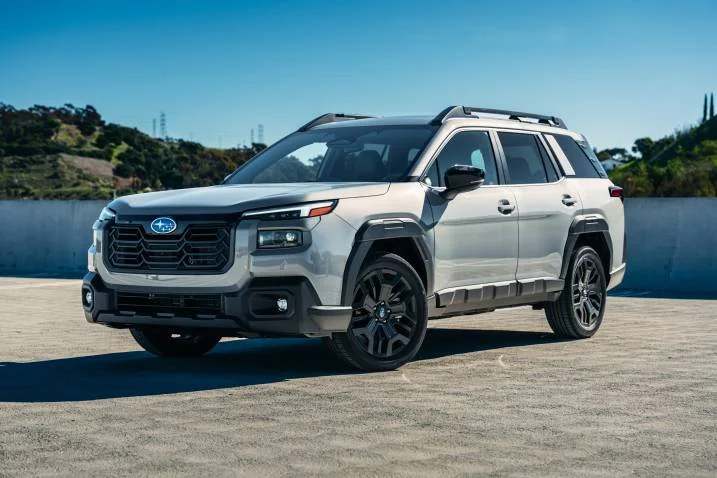
The automotive industry has spent the better part of the last decade chasing one goal: replacing as many physical controls as possible with digital interfaces. Large touchscreens have become the centerpiece of modern vehicle interiors, promising cleaner designs, futuristic appeal, and endless customization. Yet, as many drivers have discovered, bigger screens do not always translate into a better driving experience.
In an era where adjusting the climate control can require navigating multiple menus and changing the drive mode might involve tapping through several layers of software, there is growing appreciation for something many automakers seemed eager to leave behind: physical buttons.
That is where the Subaru Outback Wilderness stands out. While it embraces modern technology, it also retains an important connection to traditional vehicle design principles. It recognizes that when drivers are navigating rough terrain, towing equipment, or simply driving through bad weather, convenience and usability matter more than minimalist aesthetics.
The Industry’s Obsession With Touchscreens
Over the past several years, touchscreen technology has become the defining feature of automotive interiors. Automakers have embraced large displays not only because consumers initially found them attractive, but also because software-driven interfaces can simplify manufacturing and reduce the number of physical components.
Many manufacturers replaced climate control buttons, drive mode selectors, seat controls, and audio functions with digital menus. Some vehicles now require multiple taps simply to adjust cabin temperature or activate seat heaters.
While these systems can look impressive in showroom displays and marketing materials, their practical usability has increasingly come under scrutiny. Drivers often find themselves taking their eyes off the road for longer periods than they would with traditional buttons and knobs. The growing criticism of touchscreen-heavy interiors has prompted a broader conversation throughout the automotive industry. Safety experts, automotive journalists, and everyday drivers have all questioned whether the pursuit of futuristic design has come at the expense of functionality.
Why Physical Controls Continue to Matter
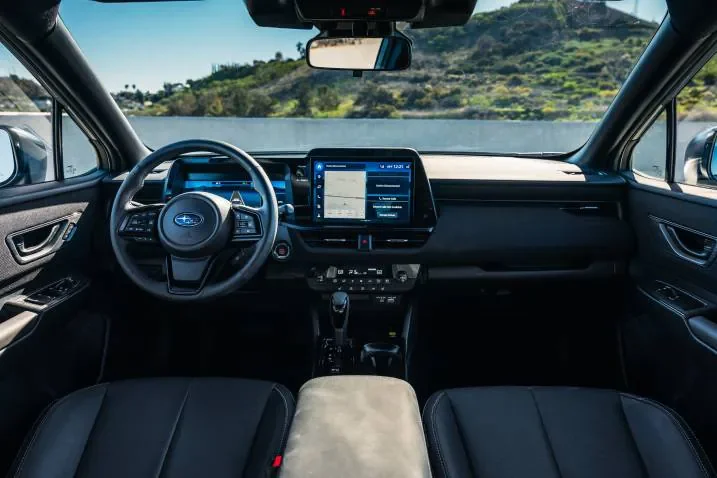
A physical button offers several advantages that touchscreens struggle to replicate. Drivers can locate buttons by feel without shifting their attention away from the road. Knobs provide immediate feedback through movement and resistance. Dedicated switches allow drivers to make adjustments quickly, even while wearing gloves or driving on rough surfaces.
These advantages become even more important when conditions deteriorate. Heavy rain, snow, mud, and off-road terrain demand constant concentration. During such moments, the ability to instantly adjust climate settings, traction systems, or vehicle functions becomes more than a convenience; it becomes a safety feature.
This philosophy has always aligned closely with Subaru’s brand identity. The company has built its reputation on practicality, durability, and driver confidence rather than pursuing technology trends for their own sake.
Designed for Real-World Adventures
The Outback Wilderness was never intended to be merely another rugged-looking crossover. Subaru developed it specifically for buyers who regularly venture beyond paved roads and require genuine capability.
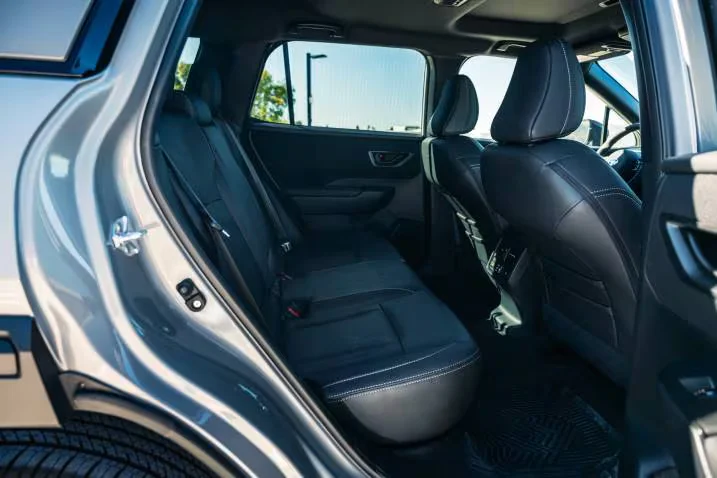
With increased ground clearance, upgraded suspension components, improved approach angles, all-terrain tires, and enhanced off-road technology, the Wilderness variant positions itself as a serious adventure vehicle rather than an appearance package. This purpose-driven approach extends directly into the cabin.
Subaru understood that drivers taking their vehicles into forests, mountains, deserts, and remote trails need controls that work reliably in all conditions. Mud-covered hands, thick winter gloves, rough terrain vibrations, and poor visibility all reinforce the importance of tactile controls.
The Balance Between Technology and Usability
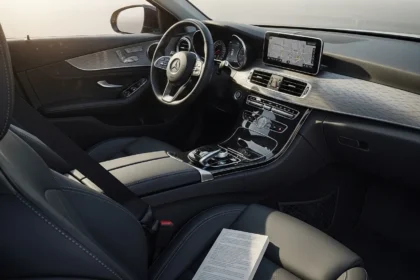
The vehicle still incorporates a large infotainment display featuring smartphone connectivity, navigation functions, multimedia controls, and various vehicle settings. However, Subaru resisted the temptation to move every essential function onto the touchscreen.
Critical controls remain physically accessible. Climate adjustments can be made quickly. Key vehicle functions are easily identifiable. Drivers do not need to memorize multiple digital menus simply to perform routine tasks. This balanced approach creates a cabin environment that feels modern without becoming frustrating.
Many competing vehicles prioritize visual simplicity over operational simplicity. Their interiors photograph beautifully but can become cumbersome during everyday use. The Outback Wilderness, by contrast, feels designed by people who genuinely understand how drivers interact with their vehicles.
Off-Road Driving Highlights the Importance of Physical Controls
Imagine navigating a rocky trail while managing throttle input, steering corrections, and terrain visibility. At that moment, searching through touchscreen menus to activate a function becomes more than an inconvenience, it becomes a distraction.
Off-road driving demands immediate access to critical vehicle systems. Drivers need confidence that every control input will register instantly and predictably. The Subaru Outback Wilderness addresses this challenge by maintaining physical interaction points where they matter most. The tactile nature of these controls allows drivers to maintain situational awareness while making necessary adjustments.
This design philosophy reflects decades of off-road vehicle development experience. Many of the world’s most respected adventure vehicles continue to rely heavily on physical controls for exactly this reason. Technology can enhance capability, but it should never interfere with it.
Driver Confidence Matters More Than Minimalism
Automotive interior design trends have increasingly emphasized clean surfaces and reduced visual clutter. While minimalist cabins can appear sophisticated, they sometimes sacrifice usability in pursuit of aesthetics. The Outback Wilderness takes a different approach. Its interior communicates capability and practicality. Controls are clearly identified. Buttons have distinct shapes and textures. The overall design encourages confidence rather than requiring adaptation.
This matters because driving confidence extends beyond performance specifications. Drivers feel more comfortable when they understand exactly how their vehicle operates and can access its functions without hesitation. Physical controls contribute significantly to that confidence.
There is a psychological benefit to tactile interaction that touchscreens cannot fully replicate. The sensation of pressing a button, rotating a dial, or engaging a switch creates a sense of connection between driver and machine. For enthusiasts, that connection remains an essential part of the driving experience.
Automotive Journalists Are Reconsidering Touchscreen Dominance
The conversation surrounding physical controls is no longer limited to consumer complaints. Automotive journalists and industry analysts have increasingly begun questioning the long-term viability of touchscreen-dominated interiors.
Many reviewers have noted that some manufacturers may have prioritized technological trends over driver experience. Vehicles with complex touchscreen interfaces often receive criticism despite excelling in other areas. At the same time, manufacturers that preserve intuitive controls frequently receive praise for practicality and ease of use.
The Subaru Outback Wilderness has benefited from this changing perspective. Reviewers consistently highlight its user-friendly cabin layout and practical approach to technology integration. This shift suggests that consumer preferences may also be evolving. Buyers increasingly recognize that convenience and functionality matter more than digital novelty.
Safety Considerations Cannot Be Ignored
Numerous studies have examined how infotainment systems affect driver attention. Extended interaction with touchscreens can increase cognitive workload and reduce situational awareness. Physical controls offer important advantages because they rely heavily on muscle memory and tactile feedback. Experienced drivers can adjust settings with minimal visual attention, reducing the time spent looking away from the road.
For a vehicle designed around adventure, family travel, and long-distance exploration, these advantages become especially valuable. The Subaru Outback Wilderness recognizes that driver attention is a limited resource. Rather than demanding additional focus through complex interfaces, it seeks to preserve that attention where it matters most: on the road and the environment around the vehicle.
Why Enthusiasts Appreciate This Approach
Automotive enthusiasts often evaluate vehicles differently than mainstream consumers. While technology features remain important, enthusiasts also value engagement, functionality, and thoughtful engineering. The Subaru Outback Wilderness appeals strongly to this mindset.
Its appeal extends beyond horsepower figures and screen sizes. Instead, it delivers an experience built around practical capability and driver interaction. Enthusiasts understand that the best technology often disappears into the background. It supports the driving experience without dominating it.
Physical controls embody this philosophy perfectly. They exist to serve the driver rather than impress passengers or generate marketing headlines. This practical approach has become increasingly rare in today’s automotive market, making Subaru’s decision particularly noteworthy.
The Future of Automotive Interiors
The automotive industry is unlikely to abandon touchscreen technology entirely. Software-defined vehicles, connected services, and advanced digital features will continue shaping future vehicle interiors.
However, there appears to be growing recognition that complete touchscreen dependence may not represent the ideal solution. Several manufacturers have already begun reintroducing physical controls after receiving customer feedback. Regulators and safety organizations have also shown increased interest in reducing driver distraction associated with complex infotainment systems. The Subaru Outback Wilderness serves as an important example of how manufacturers can successfully combine modern technology with traditional usability principles.
Rather than forcing drivers to choose between innovation and practicality, it demonstrates that both can coexist. As automotive design continues evolving, the lessons learned from vehicles like the Outback Wilderness may prove increasingly valuable. Sometimes, progress does not require abandoning proven ideas. Sometimes, the smartest innovation is recognizing why certain features remained essential in the first place. In a world increasingly dominated by digital interfaces, the continued presence of physical buttons in the Subaru Outback Wilderness feels less like nostalgia and more like intelligent engineering.