Article Highlights
- Alloy wheels are typically 30 to 40 percent lighter than equivalent steel wheels, which directly improves acceleration, braking, and fuel efficiency.
- Better heat dissipation from alloy wheels helps keep brakes cooler, reducing brake fade during long or hard stops.
- Alloy wheels offer a wider range of designs and finishes, letting you personalise the look of your car without hubcaps.
- Steel wheels still win on toughness and price, making them a smart winter or off-road choice for many drivers.
- Understanding common mistakes like ignoring proper cleaning or overpaying for low-quality cast alloys helps you get genuine value from the upgrade.
What Are Alloy Wheels and How Do They Differ From Steel?
Alloy wheels are made from a blend of aluminium and sometimes magnesium, nickel, or silicon. That blend gives them a combination of lightness, strength, and visual appeal that has made them the default choice on most modern cars sold today.
Steel wheels, on the other hand, are pressed from carbon steel sheets and welded together. They are heavier, simpler in construction, and have been around for decades as the dependable workhorse of the automotive world.
The difference between the two goes far beyond looks. The material and manufacturing method behind alloy wheels changes how your car steers, stops, rides, and even consumes fuel. If you have ever wondered whether swapping your steel wheels for alloy wheels is worth the money, the answer lies in understanding what those differences actually mean in everyday driving.
The Lightweight Advantage of Alloy Wheels
Why Weight Matters More Than You Think
The single biggest benefit of alloy wheels is their weight, or more accurately, their lack of it. Alloy wheels are usually 30 to 40 percent lighter than steel wheels of the same size. That weight saving might not sound dramatic when you are talking about a few kilograms per wheel, but the effect on how a car drives is noticeable.
Unsprung mass is the term engineers use for everything that moves up and down with the road surface rather than with the car body. Wheels, tyres, brake discs, and suspension components all count as unsprung mass. The heavier that mass is, the harder your suspension has to work to keep the tyres in contact with the road. Lighter alloy wheels reduce unsprung mass, which means the suspension can react faster to bumps and dips, keeping the tyre planted on the tarmac more consistently.
Real World Feel on the Road
If you swap from steel to alloy wheels on the same car, the first thing you notice is how the steering feels. It becomes lighter, quicker to respond, and more communicative. Cornering feels more precise because there is less weight shifting around. Acceleration improves too because the engine has less rotational mass to spin up. You are not turning a family hatchback into a sports car, but the difference is real and measurable.
Fuel economy also benefits. Lighter wheels mean the engine works less to get the car moving and keep it rolling. The savings are modest, usually a few percent, but over thousands of miles they add up. For anyone who drives daily or covers high annual mileage, alloy-wheels can effectively pay back part of their cost through reduced fuel consumption.
Better Braking and Heat Management
How Alloy Wheels Keep Brakes Cooler
One of the less obvious but genuinely important benefits of alloy wheels is their ability to dissipate heat. Aluminium, the primary material in most alloy wheels, conducts heat far better than steel. Combined with the more open spoke designs that alloy-wheels allow, this means heat generated by braking flows away from the brake discs and calipers more efficiently.
Brakes work by converting kinetic energy into heat through friction. When that heat builds up faster than it can escape, brake performance drops. This is called brake fade, and it can lengthen stopping distances at exactly the moment you need maximum braking power. Alloy wheels help keep the braking system within its effective temperature range, which is why performance cars almost always use them.
A Safety Benefit Hiding in Plain Sight
For everyday driving, the heat dissipation advantage of alloy wheels is not something you think about until you need it. Hard braking from motorway speeds, driving in hilly areas, or towing a loaded trailer all generate significant brake heat. Alloy wheels give the braking system a better chance of staying cool and maintaining consistent stopping power. It is a passive safety benefit that comes as part of the package.
Improved Handling and Ride Quality
Sharper Steering Response
Because alloy wheels are lighter, the steering system has less inertia to overcome every time you turn the wheel. The result is steering that feels more immediate and connected. You do not need to be a driving enthusiast to appreciate this. Anyone who has navigated a tight car park or swerved to avoid debris knows that quicker steering response is genuinely useful.
The reduced rotational mass also means the car changes direction more willingly. In a lane change manoeuvre, for example, lighter alloy wheels let the suspension settle faster after the initial turn, giving the driver a more stable and predictable feel. This is not just about sporty driving; it is about confidence and control in everyday situations.
Reduced Strain on Suspension Components
Heavier steel wheels place more demand on shock absorbers, bushings, and suspension arms. Over time, that extra workload can contribute to faster wear on these components. Alloy wheels reduce that load, which can help extend the service life of suspension parts. While this is not a dramatic cost saving, it is another small advantage that stacks up over the years you own a car.
Fuel Efficiency Gains From Alloy Wheels
How Less Weight Translates to More Miles Per Gallon
Every kilogram of unsprung weight your engine has to drag along affects fuel consumption. Alloy wheels reduce that weight at all four corners, and because wheels rotate, the effect is amplified. Rotating mass costs more energy to accelerate than stationary mass, so lighter wheels mean the engine burns less fuel getting up to speed.
The fuel savings from alloy wheels are real but modest. Independent testing by various automotive publications has shown that switching from steel to alloy wheels can improve fuel economy by roughly 1 to 3 percent depending on the car and driving conditions. That is not a game changer on its own, but combined with the other benefits, it makes the upgrade more justifiable.
Long Term Cost Considerations
If you drive 12,000 miles a year and fuel costs are high, even a 2 percent improvement adds up over the life of the wheels. Alloy wheels are a long-term purchase. A good set can last the lifetime of the car if properly maintained, so the fuel savings accrue year after year. When you factor in the performance and aesthetic benefits alongside the economy gains, the value proposition becomes clearer.
Corrosion Resistance and Longevity
Why Alloy Wheels Resist Rust Better Than Steel
Steel wheels rust. It is as simple as that. Exposure to moisture, road salt, and general weather eventually breaks down the paint or coating on steel wheels, and once bare steel is exposed, corrosion takes hold. Over time, rust can weaken the wheel, cause tyre pressure leaks around the bead, and create an unsightly appearance.
Alloy wheels are not immune to corrosion, but aluminium naturally forms a thin oxide layer that protects the surface from further oxidation. This makes alloy wheels significantly more resistant to rust than steel wheels. In regions where roads are salted in winter, this resistance is a genuine practical advantage.
Care Still Matters
That said, alloy wheels are not maintenance-free. They can suffer from galvanic corrosion, particularly where dissimilar metals meet, and certain finishes like chrome or paint can peel if damaged. Regular cleaning with appropriate, non-acidic wheel cleaners protects the finish. The key point is that alloy wheels age far more gracefully than steel wheels when given basic care, and they do not require hubcaps to look presentable.
Aesthetic Appeal and Customisation Options
Designs That Steel Cannot Match
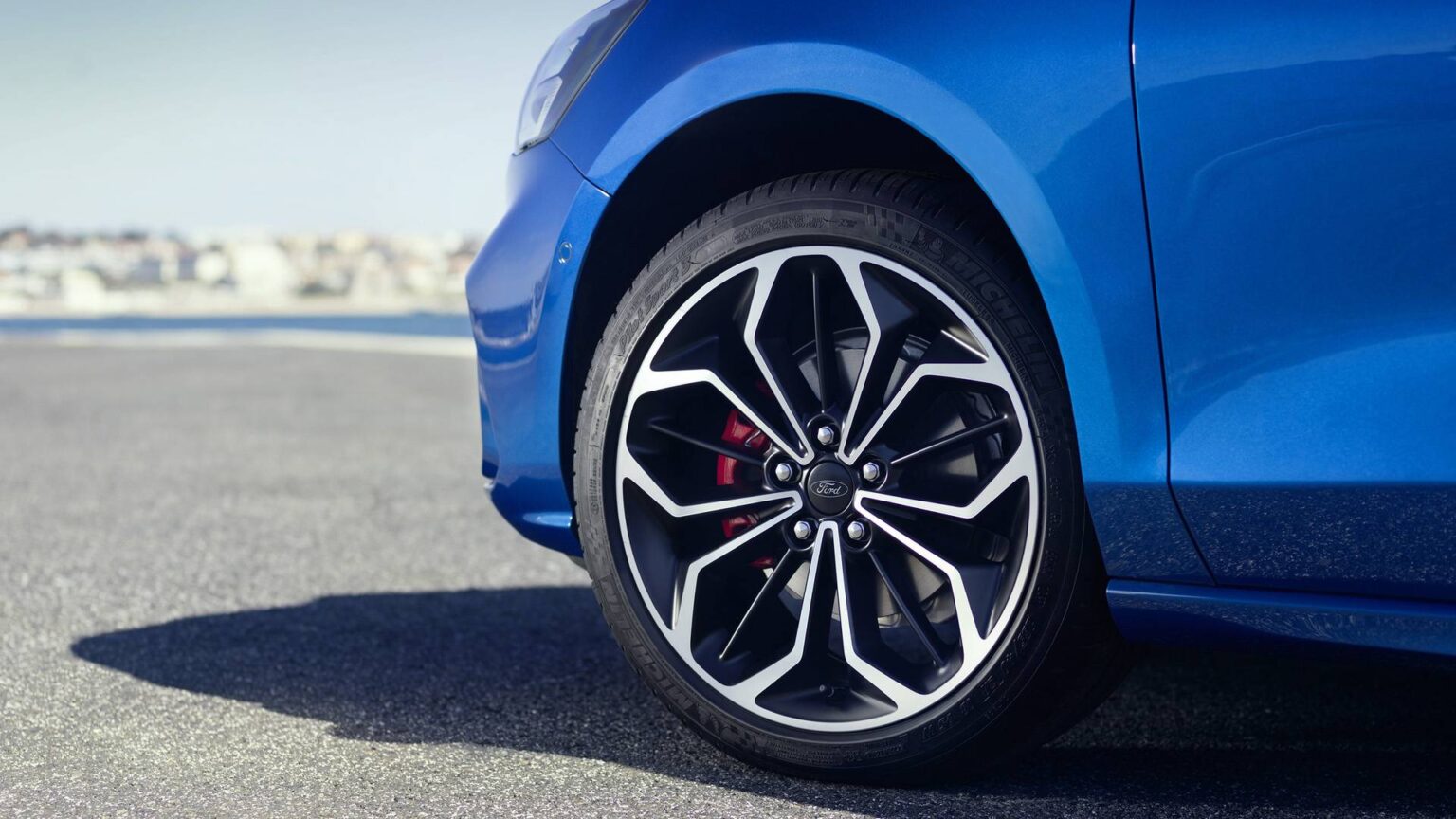
Steel wheels are pressed from flat sheets, which limits how complex their design can be. That is why most steel wheels look nearly identical and rely on hubcaps for visual appeal. Alloy wheels, by contrast, are cast or forged into intricate spoke patterns, allowing for a huge variety of designs from multi-spoke patterns to deep dish styles.
For many drivers, this is the reason they switch to alloy wheels in the first place. The right set of alloy wheels can transform the appearance of an otherwise ordinary car. Finishes range from machine-faced silver and gloss black to bronze, grey, and even colour-matched options. The ability to choose a wheel design that suits your taste and your car is a benefit that steel wheels cannot offer.
Resale Value Impact
A car with a quality set of alloy wheels generally presents better at resale than the same car on steel wheels with hubcaps. Buyers perceive alloy wheels as a sign that the car has been cared for and specified to a higher standard. While you should not expect to recover the full cost of expensive alloy wheels at resale, they do contribute positively to the car’s overall presentation and perceived value.
The WheelsWind Perspective on Wheel Choice
In the context of WheelsWind, the conversation around wheel choice is never purely about appearance. It is about how the wheels you fit affect the entire driving experience. Alloy wheels influence steering precision, ride comfort, braking performance, fuel consumption, and even how long your suspension components last. The decision to switch from steel to alloy is a decision about how your car behaves on the road, not just how it looks in the car park.
Pros and Cons of Alloy Wheels Over Steel
Advantages of Alloy Wheels
- Significantly lighter, improving acceleration, braking, and handling
- Better heat dissipation, helping brakes run cooler
- More resistant to corrosion and rust
- Wider range of designs, sizes, and finishes
- Improved fuel economy due to reduced weight
- Better steering feel and responsiveness
- Enhances resale presentation
Disadvantages of Alloy Wheels
- More expensive to buy than steel wheels
- Can crack rather than bend on severe impacts like deep potholes
- Repairs are costlier and sometimes impossible if cracked
- Some finishes are susceptible to damage from harsh cleaners or road salt
- Theft risk is higher due to their value and desirability
Common Mistakes People Make When Switching to Alloy Wheels
Buying the Wrong Size
One of the most common mistakes is choosing alloy wheels in a size that does not suit the car. Larger wheels with lower profile tyres look striking, but they can make the ride harsher, increase road noise, and make the wheels more vulnerable to pothole damage. Always check the manufacturer-approved wheel sizes for your car and avoid going dramatically larger than standard without understanding the trade-offs.
Ignoring Offset and Fitment Specs
Alloy wheels come with specific offset, PCD, and centre bore measurements. Getting any of these wrong means the wheels may not fit correctly, could vibrate at speed, or might rub against the suspension or wheel arches. Always verify fitment specifications with a reputable supplier or use a professional fitting service. Guessing here leads to expensive mistakes.
Skipping Locking Wheel Nuts
Because alloy wheels are valuable and desirable, they are a common target for theft. Failing to fit locking wheel nuts is an oversight that can cost you a full set of wheels. A good set of locking wheel nuts is inexpensive insurance against this risk.
Using Harsh or Abrasive Cleaners
Alloy wheel finishes are durable but not indestructible. Using acidic wheel cleaners, stiff-bristled brushes, or taking the car through harsh automated car washes can damage the protective coating over time. Use pH-neutral cleaners and soft brushes designed for alloy wheels. This is basic maintenance that protects your investment.
Neglecting Regular Cleaning
Brake dust is abrasive and corrosive. If left to build up on alloy wheels, it can etch into the finish and cause permanent damage. Cleaning your alloy wheels every couple of weeks, especially during winter when road grime is at its worst, keeps them looking good and prevents long-term damage. Neglecting this is one of the most common reasons alloy wheels deteriorate prematurely.
Alloy Wheels in Winter: Do They Make Sense?
A common question is whether alloy wheels are suitable for winter use. The answer is yes, with some caveats. Modern alloy wheels with quality finishes hold up well to road salt, especially if cleaned regularly. However, if you live somewhere with rough, unploughed roads or frequent deep potholes hidden under snow, steel wheels have an edge. They bend rather than crack, and a bent steel wheel can often be repaired cheaply.
Many drivers run a set of smaller, narrower steel wheels with winter tyres during the colder months and switch back to alloy wheels for the rest of the year. This is a practical approach that protects the alloy wheels from winter damage while giving you the performance and appearance benefits when conditions improve.
Are Alloy Wheels Worth It Over Steel?
The honest answer is that it depends on your priorities. If you want the best possible driving dynamics, sharper steering, improved braking performance, and a car that looks the part, alloy wheels are a worthwhile investment. The cumulative benefits of reduced weight, better heat management, corrosion resistance, and aesthetic flexibility make a compelling case.
If your priority is maximum durability on a tight budget, or you regularly drive on roads that destroy wheels, steel wheels remain a perfectly rational choice. They are cheap, tough, and repairable. The two options are not mutually exclusive either, as the winter and summer wheel swap strategy demonstrates.
What matters most is making an informed decision based on how you drive, where you drive, and what you value. Alloy wheels offer genuine, measurable benefits over steel wheels, but those benefits come at a cost and require basic care to maintain. Understanding both sides of that equation is what separates a smart purchase from an expensive mistake.
When you choose alloy wheels that fit your car correctly, suit your driving conditions, and are maintained with reasonable care, you get a lighter, better-handling, better-looking, and more efficient vehicle. That is a combination that steel wheels, for all their rugged simplicity, cannot match.