Article Highlights
- Aston Martin has found a way to keep its V12 engine legal in Europe and the United States by capping annual sales under 1,000 units.
- The British brand is developing a clean-sheet modular platform that will support both sports cars and SUVs.
- Aston Martin plans to rely on 48-volt mild hybrid technology instead of heavier plug-in hybrid systems to meet emissions rules.
- Fully electric Aston Martin models have been pushed back to the 2030s due to weak demand for luxury EVs.
- CEO Adrian Hallmark says the new platform will bring major cost savings and sharper driving dynamics across the lineup.
Aston Martin Is Not Ready to Let Go of the V12
For years, industry watchers assumed the V12 engine was living on borrowed time. Emissions rules keep getting tighter, and most luxury automakers have already trimmed their engine lineups down to turbocharged six and eight-cylinder units. Aston Martin, though, has decided to fight for a little longer.
Speaking recently with Auto Express, Aston Martin CEO Adrian Hallmark confirmed that the company has done real engineering work to keep its 5.2 litre twin turbo V12 compliant with both European and American regulations. The trick is not some radical new emissions technology. It comes down to volume. As long as Aston Martin keeps V12 sales under 1,000 units a year, the engine stays exempt from the strictest rules until at least 2035.
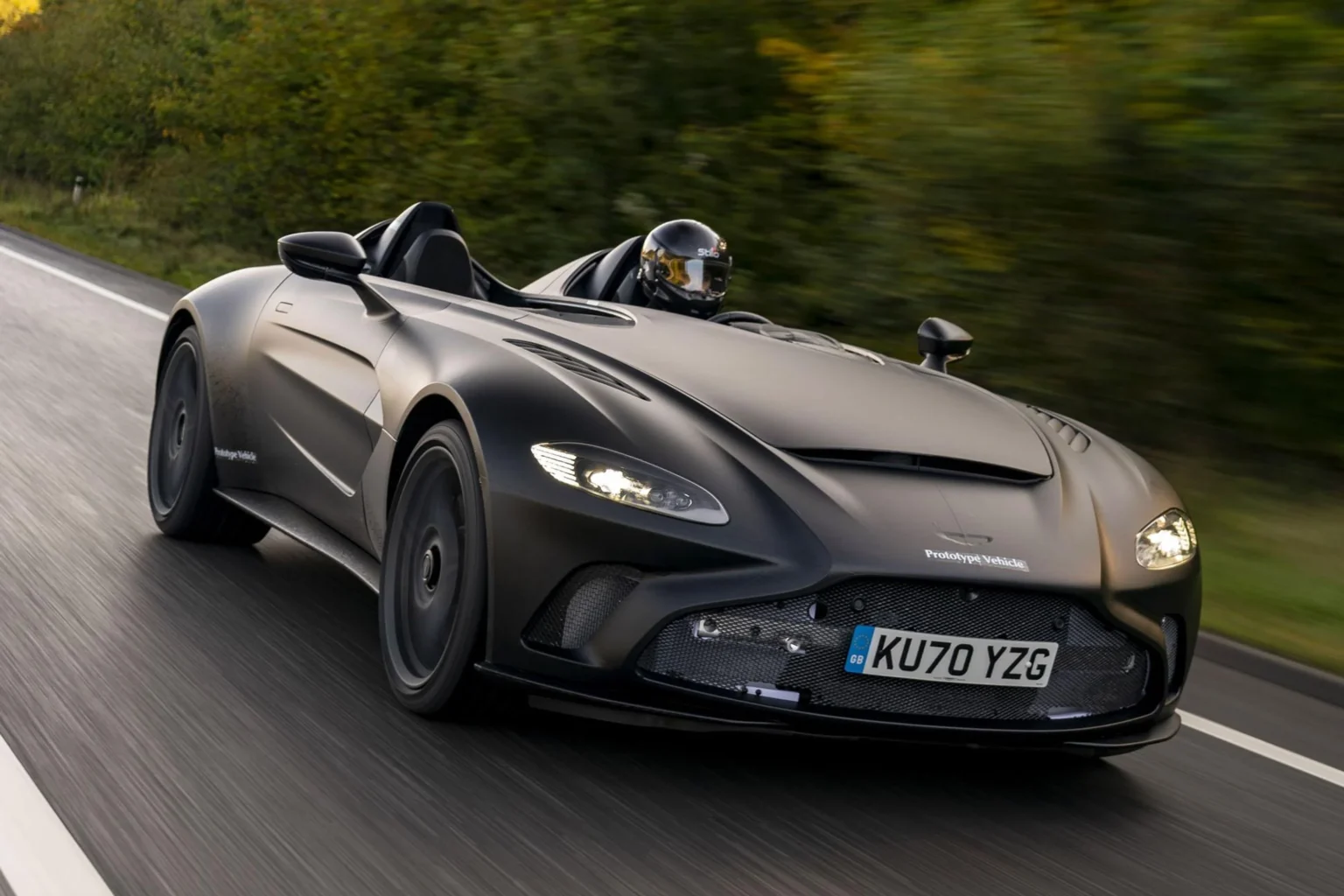
That is good news for anyone hoping to own a V12-powered Aston Martin in the coming years. Models like the current Vanquish and limited runs such as the Valiant will keep using the engine, at least for buyers who do not mind that production stays capped. It is a small window, but for a brand built on the idea of a proper front-engine V12 grand tourer, it matters a great deal.
Why the V12 Still Matters to Aston Martin
Aston Martin is one of the last manufacturers still building its own V12 in-house. Rolls-Royce, Ferrari, Lamborghini, and Mercedes-Maybach round out the short list of brands still offering the configuration, and even that list is shrinking. Mercedes-Maybach already dropped its V12 from the S 680, which makes Aston Martin’s decision to keep pushing forward feel even more significant.
For Aston Martin, the V12 is not just a marketing point. It is the one engine the company still designs and builds entirely on its own, while the rest of the lineup uses V8 engines sourced from Mercedes AMG. Keeping that in-house V12 alive protects a piece of the brand’s identity that a badge-engineered engine from a partner cannot easily replace.
Hallmark also pointed out that Aston Martin will not need plug-in hybrid assistance to keep the V12 street legal. Instead, a 48-volt mild hybrid setup should be enough to satisfy upcoming rules, including Euro 7. According to Hallmark, real-world driving data shows that plug-in hybrid owners often skip plugging in their cars, which adds weight and cost without delivering the emissions benefit regulators expect. Aston Martin appears to be betting that a simpler mild hybrid solution is the smarter path forward.
A New Modular Platform Is Coming
While the V12 story is grabbing headlines, the bigger long-term shift at Aston Martin is the development of a brand-new modular platform. This is not a small update to an existing architecture. Hallmark describes it as a clean sheet design that will eventually underpin both the brand’s sports cars and its SUVs.
The idea behind the platform is simple on paper but ambitious in practice. Aston Martin wants to standardize components like seating frames, climate control units, and electronic architecture across its entire range. Even though the underlying hardware will be shared, each model will keep its own distinct styling, software calibration, and driving character. In other words, a future DBX and a future Vanquish could share far more parts under the skin while still feeling like completely different cars from behind the wheel.
This kind of shared platform strategy is common across the auto industry, but it is a fairly new approach for Aston Martin. The company has historically kept its sports cars and SUVs on separate engineering paths. Under Hallmark’s plan, sports cars and SUVs could eventually be built on the same production line, which would be a major shift in how the brand manufactures its cars between the Gaydon headquarters and the St Athan plant in Wales, where the DBX is currently assembled.
The new platform will use bonded and extruded aluminum construction, similar to what Aston Martin uses today, but with updated engineering methods aimed at improving torsional rigidity without adding much weight. That should translate into stiffer suspension mounting points, sharper handling, and better refinement. Rear wheel steering is also part of the plan for future grand tourers, which should help tighten up turn-in response on winding roads.
What This Means for Electric Aston Martin Models
Aston Martin’s electric vehicle plans have also shifted. The company originally aimed to launch its first battery electric model by 2026, but that timeline has moved back significantly. Hallmark has confirmed that a fully electric Aston Martin will not arrive until sometime in the 2030s, with a new plug-in hybrid model expected around 2030 as a middle step.
The delay comes down to demand. The luxury electric vehicle market has not grown as quickly as automakers expected, and Aston Martin does not want to rush a battery electric flagship into a market that is not ready for it. Instead, the company is focusing its near-term resources on hybrid and plug-in hybrid versions of its current lineup, while keeping the V12 alive as long as regulations allow.
Importantly, the new modular platform is being designed with electrification in mind from the start. Even though the first wave of vehicles built on this architecture will lean on combustion and mild hybrid power, the platform itself is described as future-proofed for full electric power down the road. That flexibility should let Aston Martin adapt more quickly once demand for luxury EVs picks up.
A Broader Strategy Shift Under New Leadership
Much of this change traces back to Hallmark, who joined Aston Martin after leading Bentley. He has been vocal about wanting to reduce complexity across the business. In interviews, he has talked about going through 52 different vehicle systems, from air conditioning to braking and steering, benchmarking Aston Martin’s current cars against rivals to identify where the next generation platform needs to improve.
Hallmark has also been direct about where Aston Martin should lean on outside partners and where it should keep control in-house. The V12 engine stays homegrown. Electronic architecture, on the other hand, will likely continue to come from an outside partner, similar to how the brand currently uses Mercedes-based systems. He has pointed to past friction from layering Aston Martin’s own infotainment software over a Mercedes base system as a lesson learned, saying future models will leave core systems untouched while focusing development money on the interface and physical switchgear that buyers actually see and touch.
Aston Martin’s five-year product plan still centers on the Vantage, DB12, Vanquish, DBX, and Valhalla, with the DBX viewed as a major growth opportunity since SUVs continue to make up more than half of luxury vehicle sales. Special edition models will likely become less frequent but more distinct from one another as the brand tries to protect exclusivity while still generating the revenue needed to fund all of this engineering work.
The Bottom Line
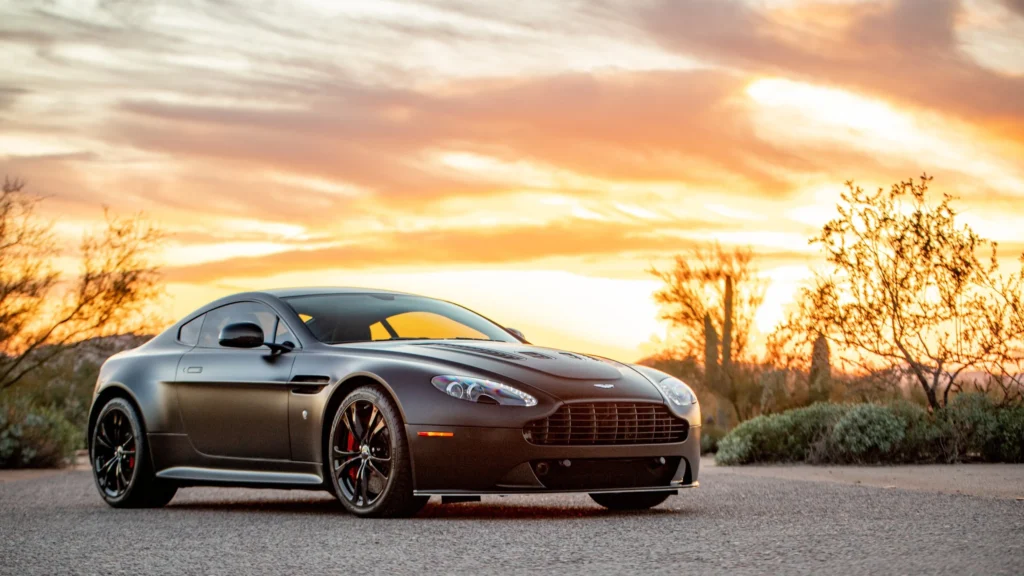
Aston Martin is threading a difficult needle right now. The brand wants to hold onto the traditional V12 experience that enthusiasts love, while also building a modern, efficient platform that can carry it through the next decade of tightening regulations and changing customer expectations. Delaying the V12’s retirement buys the company time, and the new modular platform is the foundation meant to carry Aston Martin through whatever comes next, whether that is stricter emissions rules or a slower-than-expected shift to electric power.
For now, anyone who has been holding out hope for a V12-powered Aston Martin has real reason for optimism. The engine is sticking around a while longer, and the company building it is putting serious engineering resources into making sure the rest of the lineup is ready for what comes after.