Article Highlights
- Tesla Model Y Performance accelerates from 0 to 60 mph in about 3.3 seconds, while the Polestar 4 Dual Motor Performance Plus needs roughly 3.5 seconds despite having more horsepower.
- The Tesla Model Y Performance offers a longer EPA range of around 306 miles compared to the Polestar 4 Performance Plus at about 280 miles.
- The Tesla Model Y Performance starts near 59,000 dollars, making it more affordable than a fully equipped Polestar 4 Performance Plus, which can exceed 74,000 dollars.
- The Polestar 4 stands out with 544 horsepower, Brembo brakes, and a bold design that skips a traditional rear window in favor of a camera system.
- Tesla’s Supercharger network gives the Tesla Model Y Performance a clear advantage in fast, convenient charging for long-distance trips.
Introduction
Choosing between two quick, tech-loaded electric SUVs is never simple, and that is exactly the situation shoppers face when they line up the Tesla Model Y Performance against the Polestar 4 Dual Motor Performance Plus. Both vehicles promise sports car-like acceleration wrapped inside a practical family shape, yet they take very different paths to get there. In this comparison, we look at how these two machines actually feel to drive, live with, and own, based on real specifications and everyday use rather than just spec sheet bragging rights.
The Tesla Model Y Performance has long been the benchmark for quick, efficient electric SUVs, thanks to its huge Supercharger network and constant software improvements. The Polestar 4 Dual Motor Performance Plus, on the other hand, is the newer challenger, built on a Chinese-made platform shared with cars like the Zeekr 001, and it brings a genuinely different design philosophy, right down to its controversial lack of a rear window.
Design and First Impressions
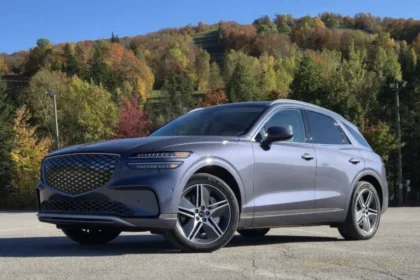
The Tesla Model Y Performance carries the familiar smooth, minimalist Tesla look, refreshed for the current generation with slimmer LED headlights, a connecting light bar, and reshaped bumpers. It rides on aggressive 21-inch Arachnid wheels and adds a carbon fiber spoiler that gives it a sportier stance than the standard Model Y. It is not a flashy car. Still, it looks purposeful and modern, and most people recognize it instantly as a Tesla.
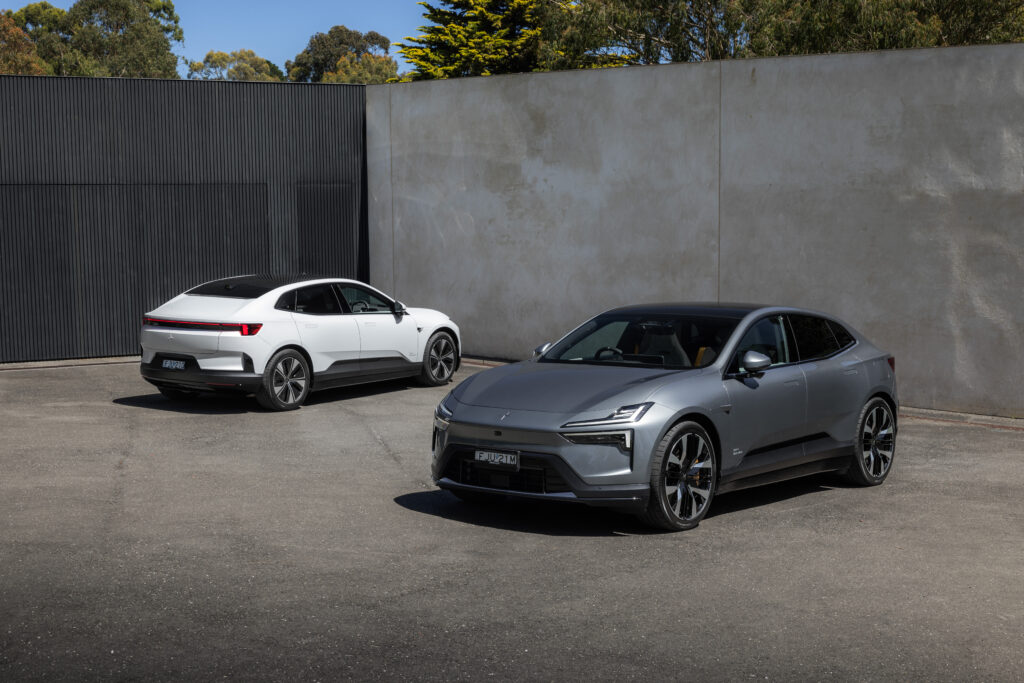
The Polestar 4 takes a bolder approach. Its coupe-like roofline, wide stance, and absence of a traditional rear window make it stand out in any parking lot. Instead of a rear windshield, Polestar fits a digital rearview camera system that streams a live feed to the interior mirror. Some drivers love this futuristic touch, while others find it takes time to get used to. The Performance Plus trim adds 21-inch forged wheels, Brembo brakes, and subtle styling tweaks that hint at the performance hardware underneath.
Performance and Driving Feel
This is where both cars genuinely shine, though in slightly different ways. The Tesla Model Y Performance uses a dual motor All Wheel Drive setup producing roughly 460 horsepower, and it can sprint from 0 to 60 mph in about 3.3 seconds, with a top speed near 155 mph. The acceleration is instant and relentless, the kind of push that catches passengers off guard every single time.
The Polestar 4 Dual Motor Performance Plus counters with 544 horsepower and 506 pound-feet of torque, reaching 60 mph in around 3.5 seconds. The power delivery feels slightly different from the Tesla Model Y, arriving with a heavier, more dramatic shove rather than the razor-sharp immediacy Tesla is known for. Handling in the Polestar is confident too, helped by adaptive dampers and a well-balanced chassis, though the Tesla Model Y still feels a touch more agile through tight corners thanks to its lighter overall character.
For buyers who prioritize outright quickness and a track-ready feel, the Tesla Model Y Performance holds a slight edge in agility, while the Polestar 4 wins on raw horsepower and a plusher ride quality that many drivers will actually prefer for daily use.
Range and Charging
Range is one area where the Tesla Model Y Performance clearly pulls ahead. The EPA estimates around 306 to 308 miles on a full charge for the Performance trim, which is respectable for a vehicle with this much power. Tesla’s Supercharger network, with more than 60,000 stalls across North America, remains one of the strongest arguments in favor of the Tesla Model Y, since charging stops are quick and reliable almost anywhere you travel.
The Polestar 4 Dual Motor Performance Plus falls behind here, with an EPA estimated range of about 280 miles, and real-world figures during mixed driving often land closer to 220 miles. It’s 400-volt architecture caps DC fast charging around 200 kW, which is noticeably slower than what newer 800-volt rivals offer. For long-distance travelers, the Tesla Model Y Performance is the more stress-free choice, while the Polestar 4 suits drivers whose daily routine stays closer to home.
Interior and Technology
Step inside the Tesla Model Y Performance and you are greeted by a familiar, minimalist cabin dominated by a large 15.4-inch center touchscreen that controls nearly every function, including the speedometer. Rear passengers get their own 8-inch screen for climate and entertainment. Build quality has improved significantly in recent updates, with softer materials and better sound insulation, though the near-total absence of physical buttons still divides opinion.
The Polestar 4 offers a more traditional yet still tech-forward layout, blending Scandinavian minimalism with genuine physical controls for key functions, something many drivers appreciate. The optional Nappa leather and Package bring a noticeably upscale feel, arguably nicer than what you get inside the Tesla Model Y. However, the missing rear window remains a talking point, and while the camera-based rearview system works well once you adjust to it, it is a genuine lifestyle change for new owners.
Pricing and Value
The Tesla Model Y Performance starts at around 59,000 dollars before incentives, positioning it as the more affordable option of the two once you compare similarly equipped trims. The Polestar 4 Dual Motor starts at 62,900 dollars. Still, once you add the Performance Pack and Package to reach the true Performance Plus configuration, pricing can climb past 74,000 dollars, making it a considerably pricier proposition.
For buyers focused on value, the Tesla Model Y Performance delivers more performance per dollar, backed by a larger service network and a strong resale reputation. The Polestar 4 justifies its higher price through unique design, a more luxurious cabin, and a driving experience that feels distinct from the now common Tesla Model Y silhouette seen on many roads.
Which One Should You Choose
If your priority is long-range confidence, fast and widely available charging, and the lowest possible price for serious performance, the Tesla Model Y Performance is difficult to beat. It remains one of the most complete electric SUVs on the market today, and our team at WheelsWind consistently finds it to be the safer, more practical daily choice for most families.
If you want a car that turns heads, offers more raw horsepower, and delivers a plush, quiet ride with a genuinely upscale cabin, the Polestar 4 Dual Motor Performance Plus is a compelling alternative, especially for buyers who do not need class-leading range and want something different from the crowd.
My Personal Opinion
Both the Tesla Model Y Performance and the Polestar 4 Dual Motor Performance Plus represent excellent examples of how far performance electric SUVs have come. The Tesla Model Y wins on range, charging convenience, and overall value, while the Polestar 4 counters with more power, a more distinctive design, and a genuinely comfortable ride. Whichever you choose, you are getting a fast, well-engineered electric SUV that proves performance and practicality no longer have to be separate categories.