Article Highlights
- BYD has revealed the Qin Max, a new flagship sedan for its Qin lineup, positioned above the Qin L.
- The BYD Qin Max EV supports flash charging, going from 10 percent to 70 percent battery in just 5 minutes.
- It measures 4866mm in length with a 2820mm wheelbase, making it slightly larger than the Qin L.
- The car is specifically designed to appeal to younger buyers who prioritize fast charging and modern design.
- BYD is expanding its flash charging network globally, making the technology more practical for everyday drivers.
BYD has just given the electric vehicle world something to talk about. The company has officially revealed the BYD Qin Max EV, a new sedan that sits at the top of its popular Qin lineup. This is not just another update to an existing model. The BYD Qin Max EV is being positioned as a completely new flagship for the Qin family, and it comes with one major selling point that is impossible to ignore: flash charging technology.
At WheelsWind, we always keep an eye on new EV launches that could change how people think about electric cars, and the BYD Qin Max EV fits that description well. It is designed with younger drivers in mind, and it aims to solve one of the biggest complaints EV owners have, which is charging time.
What Makes the BYD Qin Max EV Different
The Qin series has been one of BYD’s best-selling model lines for years, with over 660,000 units sold in 2025 alone. The lineup currently includes the Qin Plus and the Qin L, both available in battery electric and plug-in hybrid versions. The BYD Qin Max EV now joins this family as the largest and most advanced model yet.
According to Lu Tian, who leads sales for BYD’s Dynasty Network, the BYD Qin Max EV is being described as the extra-large version of the Qin family. He also mentioned that it is the flash charging-capable Qin model that many buyers have been asking for. This tells us that BYD listened to customer demand before building this car.
Design and Size of the BYD Qin Max EV
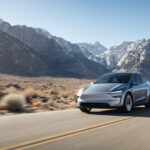
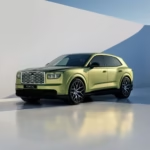
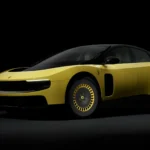
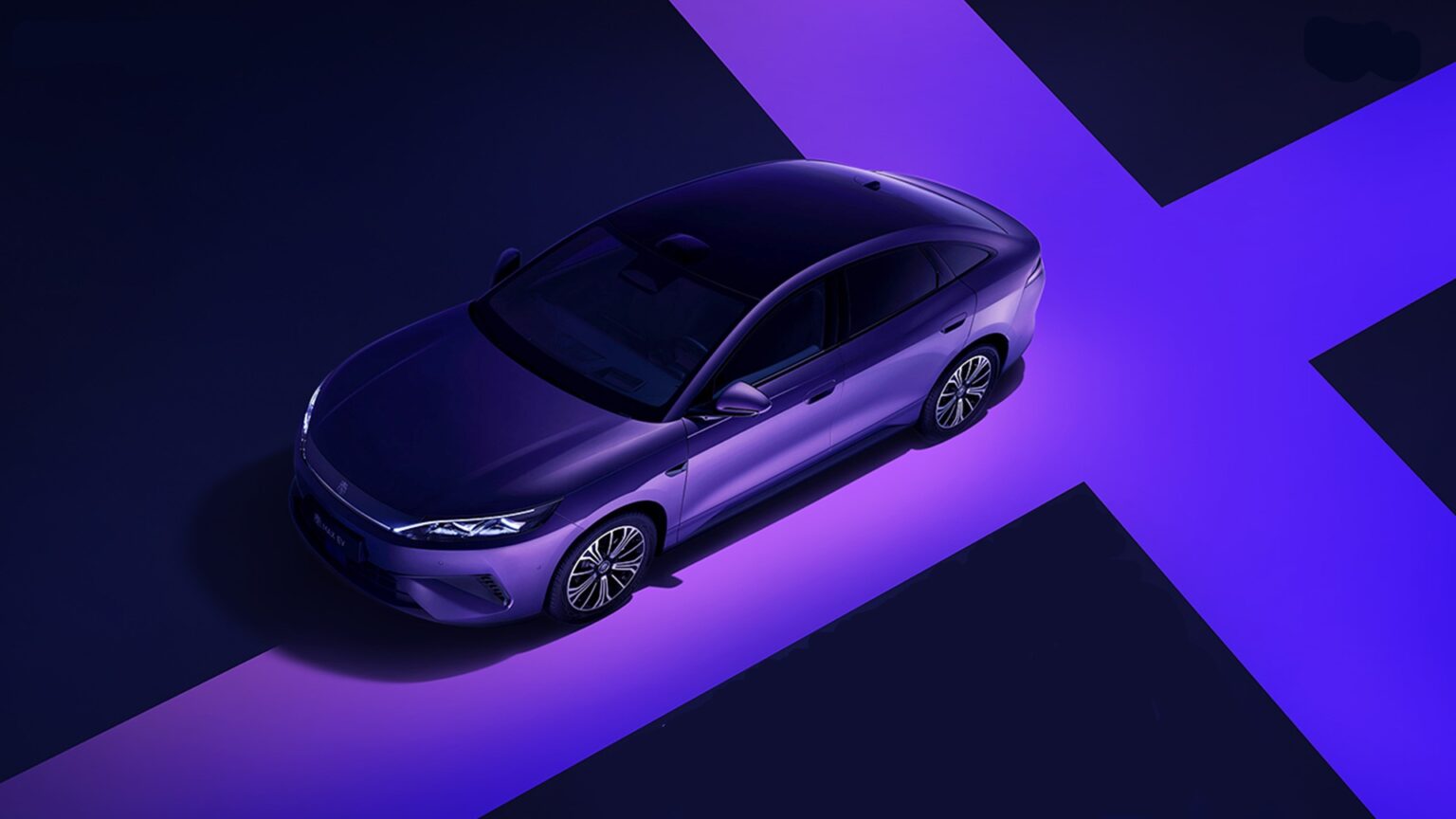
The BYD Qin Max EV measures 4866 millimeters in length, 1880 millimeters in width, and 1495 millimeters in height, with a wheelbase of 2820 millimeters. When compared to the Qin L, the new BYD Qin Max EV is about 33 millimeters longer, giving it a slightly larger footprint on the road.
In terms of styling, the BYD Qin Max EV follows the same design language seen across BYD’s Dynasty lineup. It has sharp, upward-sweeping headlights paired with a closed-off front grille, which is common on electric vehicles since they do not need traditional engine cooling in the same way gas cars do. The front end also features a three-section air intake that adds some visual detail to an otherwise clean face.
Looking at the side profile, the BYD Qin Max EV uses semi hidden door handles, a feature that has become popular among EV makers for both aerodynamic and aesthetic reasons. The wheels have a multi-spoke design that adds a sporty touch. At the rear, the taillights use a ribbon-like texture that connects across the back, giving the car a distinct look at night.
Flash Charging Explained
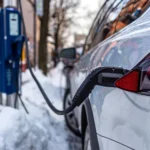
The biggest highlight of the BYD Qin Max EV is undoubtedly its flash charging support. Flash charging is BYD’s term for its newest ultra-fast charging system, and it is genuinely impressive when you look at the numbers.
Based on data from other BYD models using the same technology, a vehicle equipped with flash charging can go from 10 percent to 70 percent battery in just 5 minutes. Even more impressive, it can reach a 97 percent charge in around 9 minutes. That is close to the time it takes to fill a tank of gas, which has always been one of the biggest advantages combustion cars had over electric ones.
What stands out even more is how this technology performs in cold weather. In extreme conditions of minus 30 degrees Celsius, charging time only increases by a small amount, which shows that BYD has put real engineering effort into making this system reliable across different climates. For someone living in a colder region, this is the kind of detail that actually matters in daily use.
This flash charging system builds on BYD’s Super e Platform, first introduced in 2025, and the newer generation technology that supports charging power up to 1500 kilowatts through a single connector. The BYD Qin Max EV benefits from this same foundation, bringing technology once reserved for premium models down into a more mainstream, affordable segment.
Why BYD Is Targeting Young Buyers
BYD has been clear that the BYD Qin Max EV is built with younger consumers in mind. This makes sense when you consider who is actually buying electric vehicles in large numbers today. Younger buyers tend to value fast charging, modern design, and tech features more than raw driving range alone. Waiting around at a charging station does not fit into a busy lifestyle, and BYD seems to understand that.
By offering flash charging in a car positioned as the flagship of the Qin series, BYD is trying to make ultra-fast charging feel accessible rather than something only luxury buyers can afford. This is a smart move, especially since the Qin series has seen a decline in sales this year, with numbers dropping significantly compared to the previous year. A new flagship model with standout technology could help bring attention back to the lineup.
Expected Battery and Powertrain Details
While BYD has not released full specifications for the BYD Qin Max EV yet, it is expected to be offered in both battery electric and plug-in hybrid variants, following the same pattern as the Qin Plus and Qin L. Given its flash charging capability, it is likely that the BYD Qin Max EV will use BYD’s second-generation Blade Battery, which has been specifically engineered to handle these extremely high charging speeds without compromising safety or long-term battery health.
This second-generation battery uses a lithium-iron-phosphate design with several internal improvements, including a denser cathode structure and an electrolyte formulated for better conductivity. These changes are what allow the battery to accept such a large amount of power in such a short amount of time.
Charging Infrastructure Matters Too
A fast-charging car is only as useful as the network supporting it. BYD has been aggressively expanding its flash charging stations across China, with a goal of reaching 20,000 stations by the end of 2026. The company is also expanding this network internationally, starting in Europe.
For BYD Qin Max EV owners, this growing infrastructure means the car’s fast charging capability will actually be usable in real-world situations, not just a number on a spec sheet. This is an important distinction, since many fast charging claims from automakers only apply under very specific conditions that are hard to find in everyday life.
What This Means for the EV Market
The arrival of the BYD Qin Max EV signals a bigger shift happening in the electric vehicle industry. Fast charging technology that used to be limited to expensive flagship models is slowly making its way into more affordable, mass-market cars. This benefits everyday buyers who want the convenience of quick charging without paying a premium price.
It also puts pressure on other automakers to speed up their own charging technology. If BYD can offer 5-minute charging in a mainstream sedan, buyers will start expecting similar performance from other brands as well.
My Personal Opinion
The BYD Qin Max EV represents a meaningful step forward for BYD’s Qin lineup. It combines a fresh design, a slightly larger body, and genuinely fast charging technology into one package aimed squarely at younger, tech-savvy buyers. While full pricing and launch timing have not been confirmed yet, the early details already suggest this could be one of the more interesting electric sedans to watch in the coming months.
If BYD delivers on its promises around charging speed and reliability, the BYD Qin Max EV could become a strong option for anyone looking for a practical electric car that does not require long waits at charging stations. It will be worth watching how this model performs once full specifications and pricing are announced.