Article Highlights
- Hybrid vehicles in cold climates often see reduced fuel economy because the gasoline engine has to work harder to warm up the cabin and battery.
- Regenerative braking, one of the biggest perks of hybrids, becomes less effective on icy or snow-covered roads.
- Battery health can decline faster in freezing temperatures, though most modern hybrids include thermal management systems to reduce this risk.
- Lower long-term maintenance costs and reduced emissions remain strong selling points even in winter heavy regions.
- With a few small habits, such as garage parking and gentle acceleration, most of the winter-related drawbacks can be minimized.
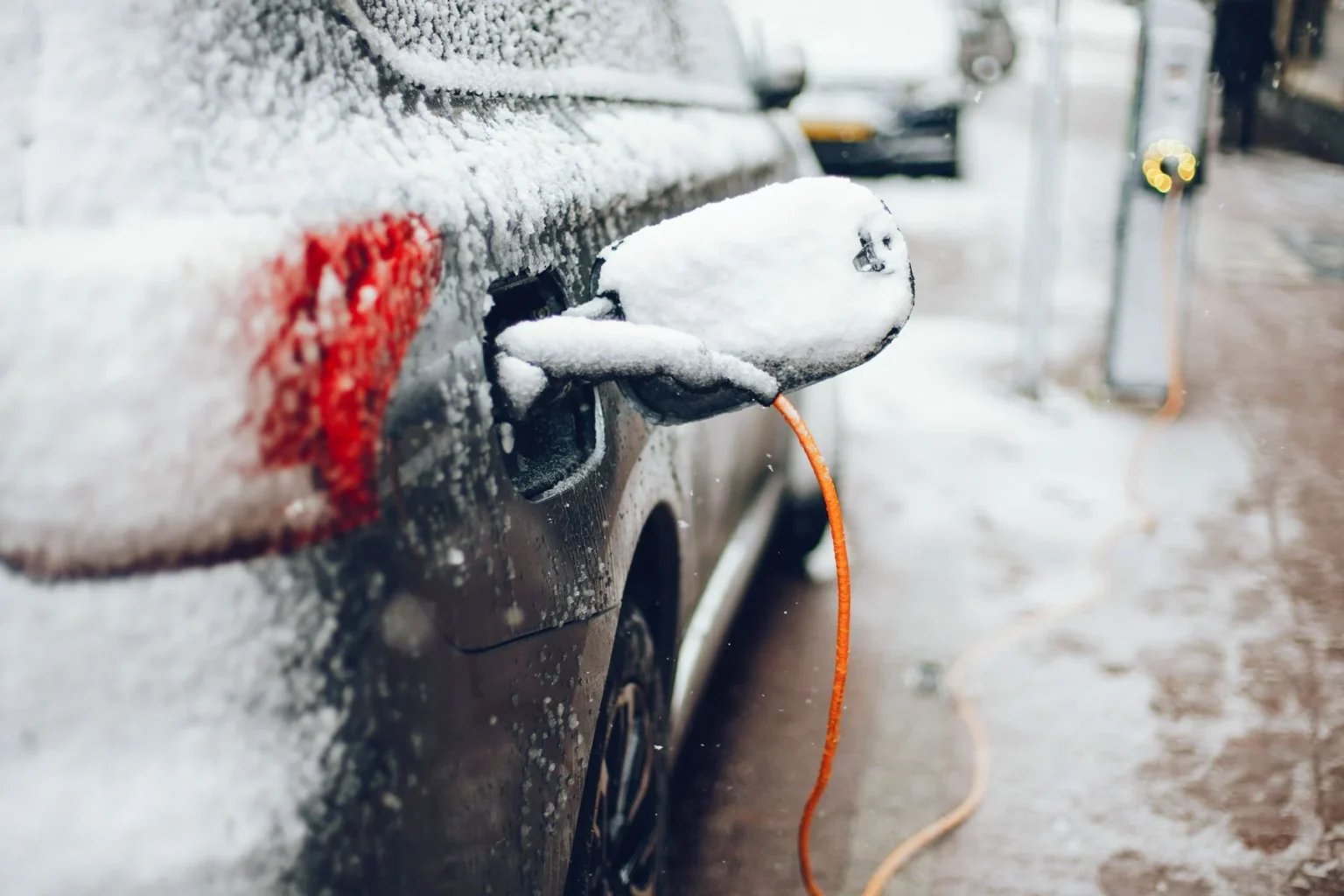
If you live somewhere that sees real winters, snow on the ground for months, ice on the windshield every morning, you have probably wondered whether a hybrid car is actually a smart choice or just a fair-weather vehicle. I have spent a lot of time researching and talking to owners who drive hybrid vehicles in cold climates every day, and the honest answer is that it depends on how you drive, where you park, and what you expect from the car. Below, I have broken down five real advantages and five real disadvantages so you can make a decision based on facts rather than guesswork.
Advantages of Hybrid Vehicles in Cold Climates
1. Lower Emissions Even When the Engine Runs More
One thing people often misunderstand about hybrid vehicles in cold climates is that the gasoline engine tends to run more often in winter to generate heat. Even so, hybrids still produce fewer emissions overall compared to traditional gas-only vehicles, since the electric motor continues to share the workload whenever conditions allow. For drivers who care about their environmental footprint, this remains a meaningful benefit no matter the season.
2. Quieter Cold Starts
Anyone who has started a gas car on a freezing morning knows the harsh, rattling sound it can make before the engine warms up. Hybrid vehicles in cold climates tend to start more smoothly because the electric motor can assist during those first few seconds, easing the load on the combustion engine. This makes the whole cold morning routine a little less jarring, especially in residential areas early in the day.
3. Reduced Long-Term Maintenance Costs
Hybrid engines generally experience less wear because the electric motor takes on part of the workload, particularly during stop-and-go driving, which is common in snowy or icy conditions when speeds are naturally lower. Owners of hybrid vehicles in cold climates often report fewer brake replacements, too, thanks to regenerative braking, even though that same system becomes less effective on slippery roads, which we will cover shortly.
4. Instant Torque for Better Traction Control
Electric motors deliver power immediately, without the delay some gas engines have. This instant torque can actually help hybrid vehicles in cold climates respond more predictably when pulling away from a stop on snow or light ice, since the power delivery is smoother and easier to modulate compared to a traditional engine that needs to build up revs first.
5. Fuel Savings Still Apply, Just Not at Full Strength
Even though winter driving reduces fuel efficiency for every type of vehicle, hybrids still tend to outperform their gas-only counterparts at the pump. Drivers who choose hybrid vehicles in cold climates usually still see noticeably better fuel economy over a full year compared to a similar-sized gas vehicle, even if the winter months alone are not as impressive as summer figures.
Disadvantages of Hybrid Vehicles in Cold Climates
1. Noticeable Drop in Fuel Economy
This is probably the most talked-about drawback. Cold air is denser, engine oil thickens, and the car needs extra energy to warm the cabin and the battery pack to an efficient operating temperature. As a result, hybrid vehicles in cold climates can see fuel economy drop by a meaningful margin during the coldest months, sometimes more than owners expect based on the advertised ratings.
2. Battery Performance Can Suffer in Extreme Cold
Lithium-ion and nickel-metal-hydride batteries, the two most common types used in hybrids, do not perform at their best in freezing temperatures. Chemical reactions inside the battery slow down, which can reduce the electric-only range and the overall assistance the battery provides. Most manufacturers now include battery warming systems specifically to manage this, but hybrid vehicles in cold climates still generally show some seasonal dip in electric performance.
3. Regenerative Braking Loses Some Effectiveness
Regenerative braking is one of the standout features of hybrid technology, capturing energy that would otherwise be lost and feeding it back into the battery. On icy or snow-packed roads, however, this braking method can behave less predictably, sometimes causing a slight loss of traction if applied too aggressively. Many hybrid vehicles in cold climates are programmed to automatically reduce regenerative braking intensity in slippery conditions, which is a smart safety feature. Still, it does mean less energy recovery during winter driving.
4. Cabin Heating Relies More on the Gas Engine
Unlike fully electric vehicles that can heat the cabin using the battery alone, most hybrids still lean on the gasoline engine for heat, especially in very cold weather. This means the engine may run more often than a driver expects, even during short trips, to keep the cabin comfortable. It is a small but real trade-off for anyone considering hybrid vehicles in cold climates for their daily commute.
5. Higher Upfront Cost With a Longer Payback Period in Winter Heavy Regions
Hybrids typically cost more upfront than comparable gas-only models. In regions with long winters, where fuel savings are already reduced for a good chunk of the year, it can take longer to recoup that extra cost through savings at the pump. This does not mean hybrid vehicles in cold climates are a poor investment. Still, buyers in colder regions should expect a slightly longer payback period compared to buyers in milder climates.
Tips to Get the Most Out of a Hybrid in Winter
A few simple habits can make a real difference. Parking in a garage overnight helps keep the battery closer to its ideal operating temperature. Using a scheduled cabin preheat feature, if the vehicle has one, warms the interior while the car is still plugged in or idle, reducing strain once you start driving. Gentle acceleration and early, gradual braking also help both traction and battery efficiency. None of these tips is complicated, but together they help hybrid vehicles in cold climates perform much closer to their rated efficiency, even in tough weather.
Auto Expert’s Opinion
Choosing between a hybrid and a traditional gas vehicle in a cold climate really comes down to priorities. If lower emissions, smoother cold starts, and long-term fuel savings matter more to you than squeezing out every last mile per gallon in January, then hybrid vehicles in cold climates remain a solid, practical choice. Like any vehicle, they have trade-offs, but with a bit of planning and a few winter-friendly habits, most owners find the benefits outweigh the drawbacks. At WheelsWind, we always recommend test driving a hybrid during the actual season you plan to use it most, so you know exactly what to expect before you commit.