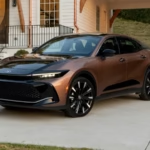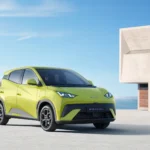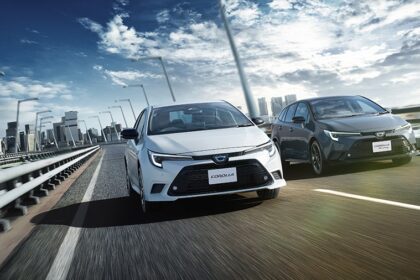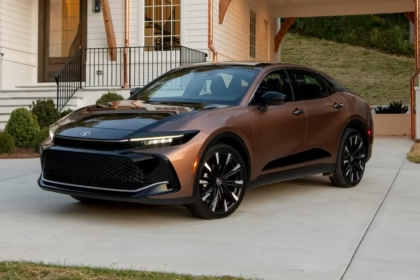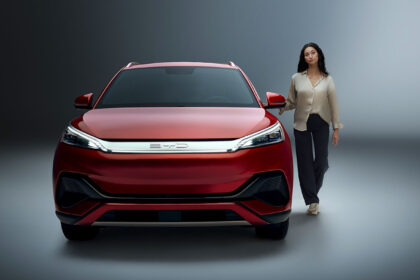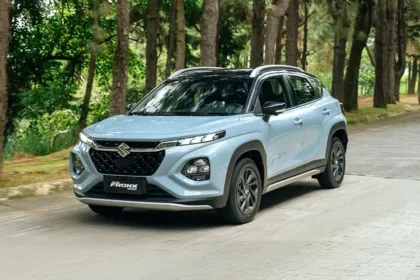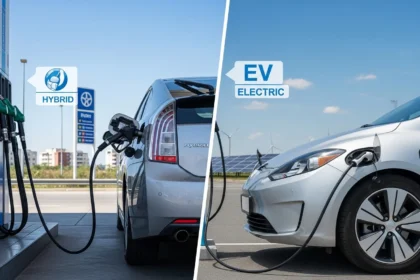
Standing in a dealership parking lot, staring at two nearly identical-looking SUVs, one labeled “Hybrid” and the other “Plug-In Hybrid,” is a moment a lot of car shoppers know well. The badges look similar. The price difference can be a few thousand dollars. And the salesperson’s explanation often raises more questions than it answers.
This Hybrid vs Plug-In Hybrid guide breaks down the real differences between a hybrid and a plug-in hybrid (PHEV), using plain language instead of engineering jargon, so you can figure out which one actually fits your driving life.
What Is a Regular Hybrid, Exactly?
A regular hybrid (often called a “standard hybrid” or “self-charging hybrid”) pairs a gasoline engine with a small electric motor and a small battery. You never plug it in. The battery recharges itself while you drive, mainly through regenerative braking and power generated by the engine.
Think of the electric motor in a regular hybrid as an assistant, not a replacement. It helps the engine during acceleration, allows the car to coast or creep in electric-only mode for very short distances, and reduces how hard the gas engine has to work in stop-and-go traffic.
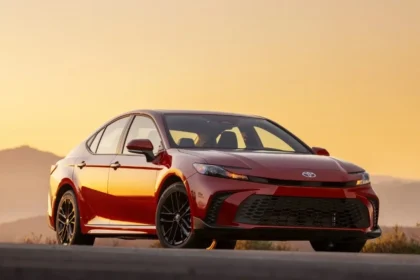
Real-world example: A Toyota Camry Hybrid or Honda CR-V Hybrid will run on electric power alone for maybe half a mile to a mile at low speeds, like pulling out of your driveway or crawling through a parking lot. After that, the gas engine takes over and the two work together.
What Is a Plug-In Hybrid (PHEV)?
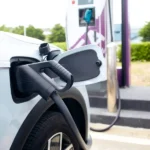
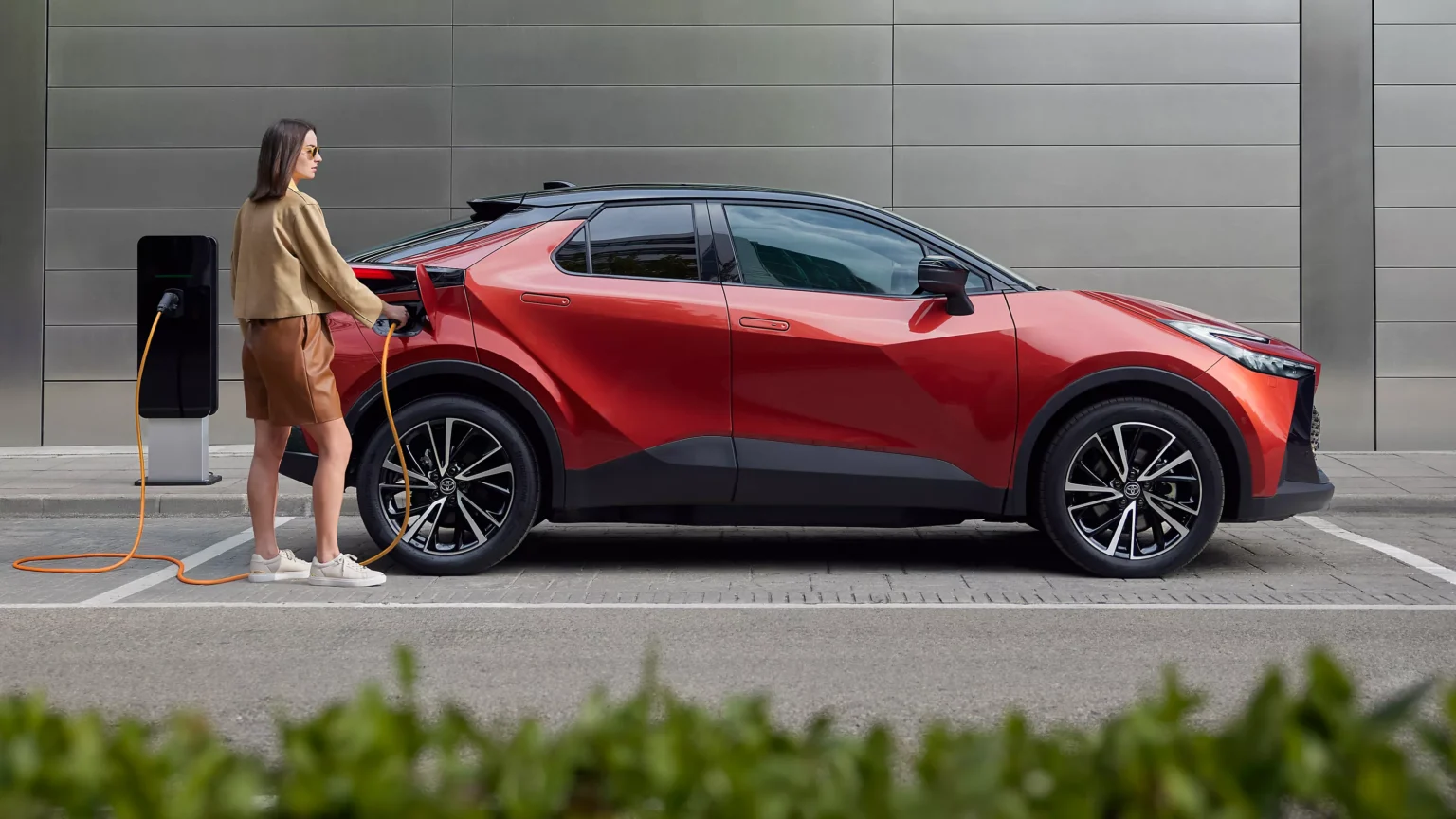
A plug-in hybrid has a much larger battery than a regular hybrid, and as the name suggests, you charge it by plugging it into a wall outlet or charging station. That bigger battery allows a PHEV to drive purely on electricity for a meaningful distance before the gas engine needs to kick in.
Most PHEVs on the market today offer somewhere between 20 and 40 miles of electric-only range on a full charge, though this varies by model. Once that range is used up, the vehicle automatically switches to functioning like a regular hybrid, using both the gas engine and electric motor together.
Real-world example: Someone who commutes 15 miles each way to work could potentially do their entire daily commute on electricity alone in a plug-in hybrid, only using gasoline on longer weekend trips or road trips.
The Core Difference in One Sentence – Hybrid vs Plug-In Hybrid
A regular hybrid never needs to be plugged in and offers modest fuel savings automatically. A plug-in hybrid needs to be charged regularly to get its best value, but rewards that habit with the possibility of driving gas-free for daily errands and short commutes.
Pros and Cons of Regular Hybrids
Pros:
- No behavior change required. You fill up with gas and drive like normal.
- Lower upfront cost compared to the plug-in version of the same model.
- Simpler technology generally means fewer things that can go wrong long-term.
- Great fit for renters or apartment dwellers without home charging access.
Cons:
- Fuel economy gains are real but modest compared to a PHEV driven mostly on electricity.
- You get little to no meaningful electric-only driving.
- Doesn’t qualify for the larger EV tax incentives that some plug-in hybrids receive.
Pros and Cons of Plug-In Hybrids
Pros:
- Potential to do most daily driving on electricity alone, cutting gas use dramatically for short-commute drivers.
- No range anxiety, since the gas engine is always there as backup for longer trips.
- Often eligible for federal, state, or local EV incentives (these vary and change often, so check current rules before assuming eligibility).
Cons:
- The fuel-economy benefits shrink quickly if you don’t charge consistently. A PHEV that’s never plugged in is essentially a heavier, more expensive hybrid.
- Higher purchase price, and the bigger battery adds some weight.
- Charging takes planning: a home charger or nearby public charging makes a real difference in whether you’ll actually use the electric range.
- Slightly less cargo or trunk space in some models, since the larger battery has to go somewhere.
Who Should Buy a Regular Hybrid?
A regular hybrid tends to make the most sense for people who:
- Don’t have access to a home charger or reliable overnight charging (renters, street parkers, apartment residents).
- Drive long distances regularly, where electric-only range wouldn’t get used much anyway.
- Want the simplest possible ownership experience with no new habits to build.
- Are working with a tighter budget and want fuel savings without a bigger sticker price.
If charging isn’t realistic for your living situation, a plug-in hybrid’s biggest advantage goes to waste, and a regular hybrid becomes the more sensible, cost-effective choice.
Who Should Buy a Plug-In Hybrid?
A plug-in hybrid tends to be the better fit for people who:
- Have a garage, driveway, or reliable access to a charger at home or work.
- Have a daily commute or typical driving routine shorter than the vehicle’s electric range.
- Occasionally take longer road trips and don’t want to worry about finding charging stations along the way, unlike a fully electric car.
- Want to explore electric driving without fully committing to an all-electric vehicle yet.
For someone whose daily errands rarely exceed 25–30 miles, a plug-in hybrid can effectively function like an electric car most days of the week, with a gas engine as a safety net.
Common Mistakes Buyers Make
Buying a PHEV without a plan to charge it.
This is the single most common and costly mistake. Without regular charging, a plug-in hybrid mostly hauls around a heavy, unused battery, and its real-world fuel economy can end up worse than a comparable regular hybrid.
Assuming “hybrid” and “plug-in hybrid” are interchangeable terms.
They’re related, but not the same technology, and the fuel-economy and pricing differences between them are significant enough that mixing them up can lead to a poor purchase decision.
Ignoring home electricity costs.
Charging isn’t free. It’s usually cheaper than gasoline per mile, but buyers sometimes forget to factor in the added electricity bill when calculating total savings.
Overestimating electric-only range in cold weather or with heavy highway use.
Like all EV batteries, PHEV range drops in cold temperatures and at higher speeds. Don’t assume you’ll get the full advertised electric range under all conditions.
Not checking incentive eligibility before assuming a lower “effective price.”
Tax credits and rebates for plug-in hybrids vary by country, state, income level, and even the specific trim of the vehicle, and these rules change over time. Confirm current eligibility with an official source rather than assuming a number you saw somewhere applies to you.
Expert Tips Before You Decide
- Track your actual daily mileage for two weeks before shopping. This single number tells you more about which technology suits you than any brochure will.
- Check if your workplace or neighborhood has charging options, not just your home. Some PHEV owners charge partly at work, which changes the math.
- Ask for real-world MPG figures from current owners, not just the window-sticker number, since plug-in hybrid fuel economy varies enormously based on charging habits.
- Consider resale value trends in your area. Hybrid Vehicles as a category have historically held value well, but plug-in hybrid resale value can be more sensitive to battery health and changing incentive programs.
- Test-drive both versions of the same model back-to-back if the manufacturer offers both so that you can feel the weight, handling, and cargo space differences directly.
Is the Price Difference Worth It?
This is the question most buyers actually care about, and the honest answer is: it depends entirely on your charging habits.
If you’ll charge consistently and your commute fits within the electric range, the extra upfront cost of a plug-in hybrid can pay itself back over time through reduced gasoline use. If charging will be occasional or inconvenient, that extra cost may never fully pay off, and a regular hybrid likely delivers better value for your specific situation.
There’s no universal “better” answer here, only a better answer for how and where you actually drive.
Frequently Asked Questions
Is a plug-in hybrid better than a regular hybrid?
Not automatically. A plug-in hybrid is better only if you charge it regularly and your typical drives fit within its electric range. Without consistent charging, a regular hybrid often delivers more practical value for the money.
Can I drive a plug-in hybrid without ever charging it?
Yes, it will run as a hybrid using the gas engine and electric motor together. However, you’ll lose most of the fuel-saving advantage that makes a PHEV worth its higher price, since the electric-only range goes largely unused.
Do plug-in hybrids need special charging equipment?
Most can be charged using a standard household outlet, though this is slow, often taking many hours for a full charge. A Level 2 home charger, which requires professional installation, charges significantly faster and is recommended if you plan to rely on the electric range daily.
Are plug-in hybrids more expensive to maintain than regular hybrids?
Routine maintenance like oil changes and brake service is generally similar. The bigger difference shows up in the battery and charging components, which are more complex in a PHEV, though both hybrid types typically use their brakes less than a conventional gas car due to regenerative braking.
How long do hybrid and plug-in hybrid batteries last?
Most manufacturers back hybrid batteries with warranties covering roughly 8 to 10 years or a set mileage limit, though exact terms vary by manufacturer and region. It’s worth checking the specific warranty terms for any model you’re considering rather than assuming a universal figure.
Will a plug-in hybrid work if I don’t have a garage?
It can, but it’s less convenient. Some owners run an extension cord safely to an outdoor outlet, or rely on nearby public charging stations. If neither option is realistic, the electric-only advantage of a PHEV becomes much harder to use consistently.
Is a plug-in hybrid basically the same as an electric car?
No. A plug-in hybrid always has a gasoline engine as backup, so you don’t have to plan trips around charging stations the way a full electric vehicle owner sometimes does. It’s often described as a middle step between a conventional hybrid and a fully electric car.
Which one has better resale value, hybrid or plug-in hybrid?
This varies by brand, model, and market conditions, and can shift over time as incentive programs and battery technology evolve. Rather than relying on a general assumption, it’s worth researching recent resale trends for the specific models you’re comparing.
Expert’s Opinion
Choosing between a hybrid and a plug-in hybrid isn’t really about which technology is “better” in some absolute sense. It’s about matching the vehicle to how you actually live and drive.
A regular hybrid rewards you automatically, with no extra effort, and suits drivers who can’t or won’t charge regularly. A plug-in hybrid rewards discipline and access to charging, offering the chance to drive largely on electricity for daily use while keeping a gas engine as backup for longer trips.
Look honestly at your daily mileage, your access to charging, and your budget before deciding. Whichever direction you go, both options represent meaningful upgrades in efficiency over a traditional gas-only vehicle, and getting the choice right comes down to knowing your own routine better than any spec sheet can tell you.