Gas prices don’t need to be spiking for hybrid shopping to make sense anymore. The 2026 lineup has matured to the point where you’re no longer trading away comfort, power, or tech to get great mileage; you’re just choosing which flavor of efficiency fits your life. Whether you drive 40 miles a day in stop-and-go traffic or take long highway hauls on weekends, there’s a hybrid built for exactly that pattern.
This guide walks through the best hybrid cars for fuel economy in 2026, based on EPA-estimated ratings, real trim-level differences, and the trade-offs that don’t always make it into spec sheets.
Why Hybrid Fuel Economy Numbers Vary So Much by Trim
Before getting into specific models, it helps to understand something a lot of shoppers miss: the base trim of a hybrid is almost always the most fuel-efficient one, and the gap between trims can be bigger than you’d expect.
Wheel size is the biggest culprit. Bigger wheels mean more rolling resistance, which quietly eats into mileage. The 2026 Toyota Prius is a clear example: the base LE trim with 17-inch wheels and front-wheel drive rates at 57 mpg combined, but stepping up to the XLE or Limited trims with larger wheels drops that to 52 mpg combined, and adding all-wheel drive brings the most equipped versions down to 49 mpg.
All-wheel drive itself also costs you a few mpg across almost every hybrid on this list, since it adds weight and drivetrain friction. That’s not a reason to avoid AWD if you need it for snow or towing; know what you’re trading for it.
Top Hybrid Sedans for Fuel Economy in 2026
Toyota Prius The Benchmark
The Prius remains the most fuel-efficient non-plug-in hybrid you can buy in 2026. The base LE trim delivers an EPA-estimated 57 mpg combined (57 city, 56 highway), and even the all-wheel-drive version manages a strong 54 mpg combined. Pricing starts around $29,745.
Pros:
- Class-leading efficiency across nearly every trim
- AWD available without a massive mileage penalty
- Strong resale value and reliability reputation
Cons:
- The sloped roofline compromises rear visibility and cargo space
- Ride quality is firm compared to the Camry or Corolla
Hyundai Elantra Hybrid The Value Pick
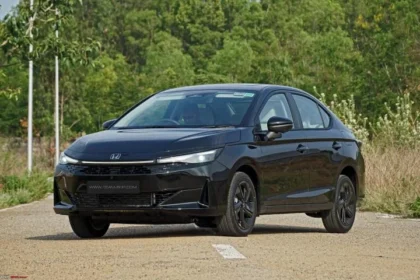
The Elantra Hybrid Blue trim is the second-most efficient hybrid sedan on sale, rated at 54 mpg combined, and it starts lower than the Prius at around $27,000 including destination. For buyers who want Prius-level efficiency without Prius-level styling, this is the one to cross-shop.
Pros:
- Excellent efficiency for the price
- More conventional sedan styling than the Prius
- Strong warranty coverage from Hyundai
Cons:
- Fewer hybrid-specific trims than Toyota offers
- Infotainment and materials feel a step below Honda and Toyota rivals
Toyota Camry Hybrid The Do-It-All Midsize
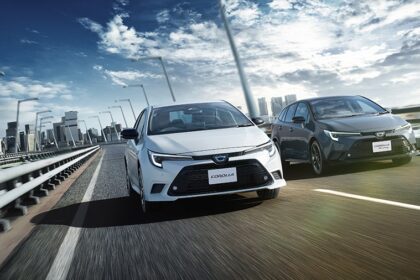
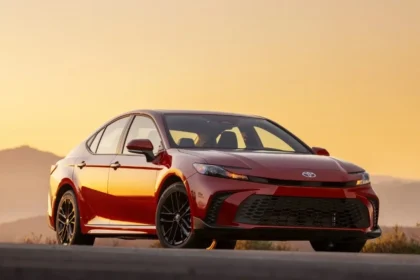
For 2026, Toyota made the Camry hybrid-only, and the base front-wheel-drive LE trim rates 51 mpg combined, with AWD versions still returning a respectable 50 mpg combined. The 2.5-liter engine and electric motors produce about 208 horsepower, which is genuinely enough for confident highway merging.
Pros:
- No more choosing between a gas engine and a hybrid — every Camry is efficient
- Roomier and more comfortable than compact hybrids
- AWD available with a minimal mpg penalty
Cons:
- Higher trims with larger wheels drop into the mid-40s mpg range
- Base LE trim is light on features
Honda Civic Hybrid and Accord Hybrid
The Civic Hybrid returns to Honda’s lineup with an EPA-estimated 49 mpg combined, 200 horsepower, and 232 lb-ft of torque — genuinely quick for a compact hybrid. The larger Accord Hybrid delivers 48 mpg combined with 204 horsepower from its two-motor hybrid system, starting around $34,990.
Pros:
- Sportier driving feel than most rivals in this list
- Honda’s hybrid system is smooth and doesn’t feel like a compromise
Cons:
- Accord Hybrid pricing creeps toward midsize luxury territory.
- Neither matches Prius or Elantra Hybrid for outright mpg.
Best Hybrid SUVs for Fuel Economy in 2026
SUV buyers shouldn’t assume they have to sacrifice much mileage anymore. Several compact hybrid SUVs land in the low-to-mid 40 mpg range, which is close to what compact sedans achieved a decade ago.
Toyota RAV4 Hybrid
Toyota now sells the RAV4 as a hybrid exclusively, and it’s still the best-selling SUV in the country. The front-wheel-drive version earns an EPA-estimated 43 mpg combined, though that number dips with AWD or higher trims with bigger wheels.
Kia Sportage Hybrid and Toyota Corolla Cross Hybrid
Both land around 42 mpg combined. The Sportage Hybrid pairs a turbocharged 1.6-liter engine with an electric motor for 232 horsepower, genuinely quick for the segment, while the Corolla Cross Hybrid offers standard all-wheel drive with 196 horsepower.
Kia Niro Hybrid
The Niro is one of the most efficient compact hybrid crossovers available, rated around 50 mpg combined, making it a strong alternative for buyers who want SUV practicality without giving up sedan-like efficiency.
Lexus UX Hybrid
If you want a hybrid-only luxury crossover, the UX rates an estimated 44 mpg city and 40 mpg highway. It gives up interior space compared to rivals, but Lexus build quality and a quieter cabin are the trade-off.
Plug-In Hybrids Worth a Look
If your daily commute is short, a plug-in hybrid (PHEV) can effectively make gas mileage a non-issue on most days, since you’re running on electricity alone.
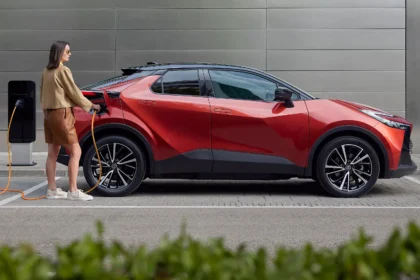
The Toyota Prius Prime is the standout here. The base SE trim delivers up to 44 miles of all-electric range and 127 MPGe combined, dropping to 52 mpg on gasoline once the battery is depleted. Higher trims with larger wheels reduce electric range to about 39 miles and gas-only efficiency to roughly 48 mpg.
Worth noting: the Kia Niro PHEV, despite strong efficiency numbers, is being discontinued for 2026 due to weak sales. If you want one, remaining inventory is worth checking, but availability will shrink through the year.
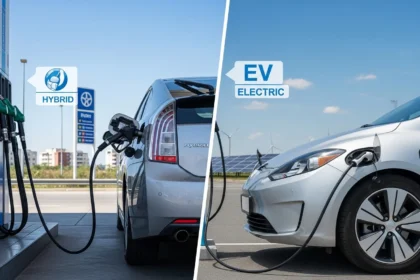
A quick distinction that trips people up: a standard hybrid (HEV) never needs to be plugged in and recharges only through regenerative braking and the gas engine. A plug-in hybrid (PHEV) has a much larger battery that requires charging but rewards you with real electric-only range. Neither is “better” universally; it depends on whether you have consistent access to a charger.
Larger Hybrids: SUVs and Minivans for Families
Fuel economy naturally drops as vehicles get bigger and heavier, but hybrid powertrains still make a meaningful difference in three-row SUVs and minivans.
The Toyota Sienna is sold exclusively as a hybrid and remains one of the most efficient minivans available. The Hyundai Santa Fe Hybrid and Kia Sorento Hybrid both deliver noticeably better mileage than their gas-only counterparts, with the Sorento Hybrid rated around 37 mpg combined. Three-row hybrid SUVs like the Toyota Grand Highlander Hybrid and Hyundai Palisade Hybrid, the latter around 34 mpg combined, won’t match compact hybrid numbers. However, they still beat traditional V6 three-row SUVs by a wide margin.
Common Mistakes Buyers Make When Shopping for a Fuel-Efficient Hybrid
Assuming every trim gets the same mileage. As covered above, wheel size and drivetrain choice can shift combined mpg by 5-8 points within the same model. Always check the specific trim’s EPA number, not just the model’s headline figure.
Ignoring real-world driving habits. EPA ratings are standardized tests. If most of your driving is highway at 75+ mph, you’ll likely see lower numbers than the sticker suggests, since hybrids shine most in stop-and-go city traffic where regenerative braking does the most work.
Buying a PHEV without a reliable place to charge. A plug-in hybrid you never plug in is just a heavier, more expensive regular hybrid. If home or workplace charging isn’t realistic, a standard hybrid is usually the smarter buy.
Overlooking maintenance costs in the comparison. Hybrid batteries are covered by long warranties (often 8-10 years) in most states. Still, it’s worth confirming coverage terms before assuming a hybrid will always be cheaper to own than a comparable gas model.
Chasing the single highest mpg number instead of total cost. A car that’s 3 mpg less efficient but $4,000 cheaper can easily win on total cost of ownership over five years. Run the math instead of shopping by headline number alone.
Expert Tips for Getting the Best Hybrid Cars
- Keep tire pressure at the recommended PSI. Underinflated tires are one of the most common, most fixable causes of hybrids underperforming their EPA rating.
- Use eco or EV mode in city driving where available — it prioritizes electric power at low speeds, which is exactly where hybrids are most efficient.
- Avoid unnecessary roof racks or cargo boxes if efficiency is your priority; they meaningfully hurt aerodynamics on the highway.
- If cross-shopping a PHEV, be honest about your commute. A PHEV with 40 miles of electric range is nearly a full EV for most commuters, but only if you actually charge it daily.
Frequently Asked Questions
What is the most fuel-efficient hybrid car in 2026? The Toyota Prius LE leads non-plug-in hybrids at an EPA-estimated 57 mpg combined. Among plug-in hybrids, the Prius Prime SE outpaces it with 127 MPGe combined when running on electricity.
Are hybrid SUVs as fuel-efficient as hybrid sedans? Not quite, but they’ve closed the gap significantly. Top compact hybrid SUVs land in the low-to-mid 40 mpg range, compared to the low-to-high 50s for the most efficient sedans.
Is a plug-in hybrid better than a regular hybrid for fuel economy? It depends on your charging access. If you can charge daily and your commute fits within the electric range, a PHEV will use far less gas overall. If you can’t charge regularly, a standard hybrid is usually more practical and often cheaper to buy.
Do hybrid batteries need to be replaced, and how much does that cost? Most manufacturers cover hybrid batteries for 8-10 years or 100,000-150,000 miles, and real-world battery failures within that window are uncommon on well-reviewed models. Replacement costs vary widely by make and model, so it’s worth checking current pricing for your specific vehicle before buying.
Does AWD hurt hybrid fuel economy significantly? Somewhat, but usually only by 2-4 mpg combined compared to the front-wheel-drive version of the same model. It’s a reasonable trade-off if you genuinely need AWD for weather or terrain.
Why do hybrid mpg ratings vary so much between trims of the same car? Mainly wheel size, drivetrain (FWD vs. AWD), and added weight from higher trim equipment. Always check the EPA rating for the exact trim you’re considering rather than assuming the advertised headline number applies across the lineup.
Are hybrids still worth it if gas prices are relatively low? Yes, for most drivers. Beyond fuel savings, hybrids tend to have lower brake wear thanks to regenerative braking, and resale values have generally held up well. The payback period is shorter when gas prices are high, but the ownership benefits aren’t limited to fuel savings alone.
The Bottom Line
There’s no single “best” hybrid for everyone; there’s a best hybrid for your specific driving pattern, budget, and space needs. If raw efficiency is the only goal, the Prius and Elantra Hybrid are hard to beat. If you need SUV practicality, the RAV4 Hybrid and Kia Niro strike a strong balance. And if your commute is short and predictable, a plug-in hybrid like the Prius Prime can turn most weeks into nearly gas-free driving.
Whatever you choose from this wider category of Hybrid Vehicles, the smartest move is checking the EPA rating for your exact trim before you sign anything the difference between the base model and a loaded one can be bigger than you’d expect.