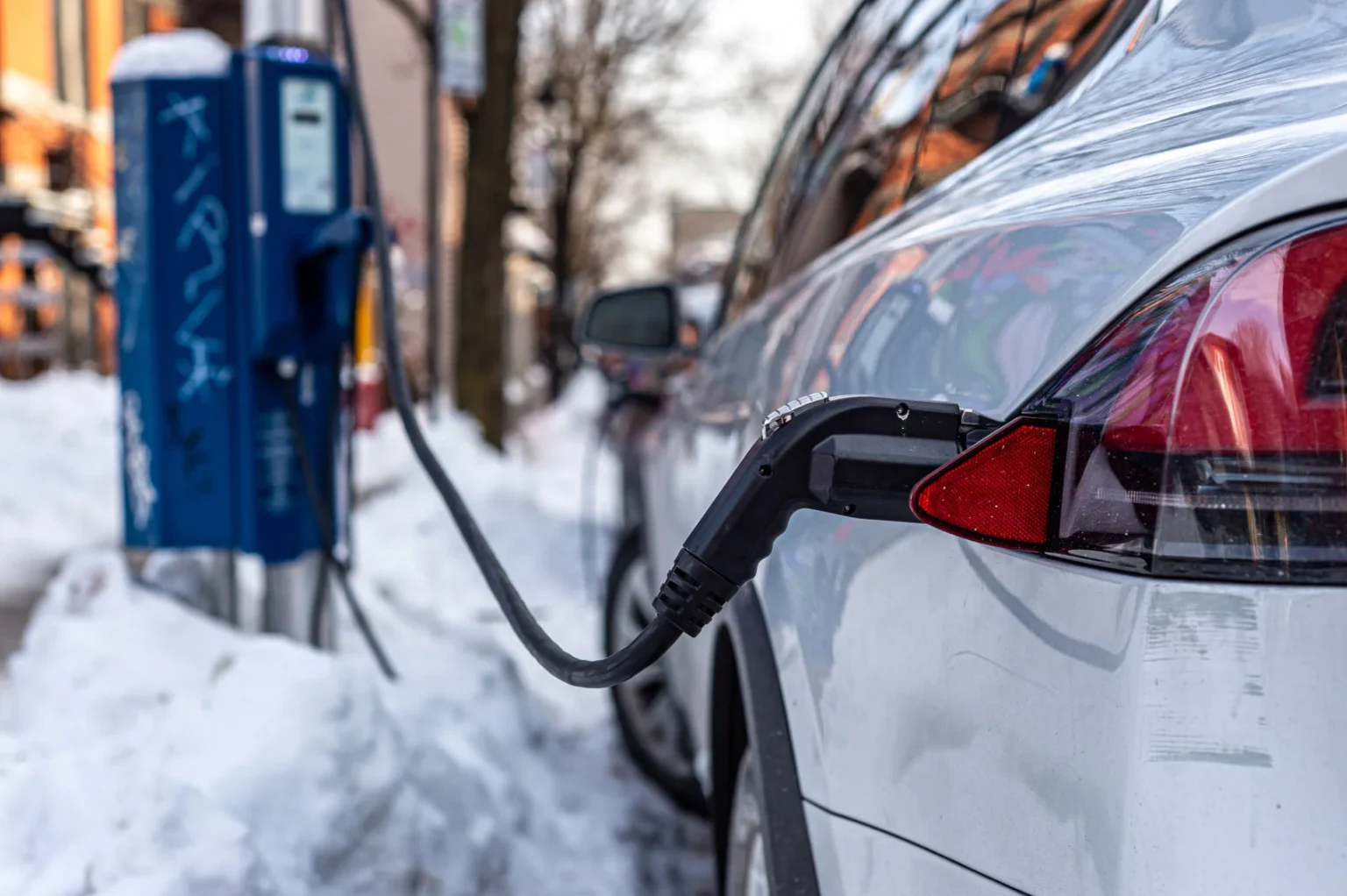
Cold weather changes how an electric vehicle feels, charges, and drives. The most useful EV winter driving tips focus on one simple goal: keep the battery warm, use energy deliberately, and leave a wider safety margin than you would in mild weather.
Winter does not make an EV unusable. It makes planning more important. A vehicle that comfortably covers 250 miles in autumn may lose a meaningful portion of that range during freezing mornings, especially when cabin heating, snow, wind, and highway speeds all work against efficiency. Independent testing has found range reductions of roughly 20 to 25 percent in cold conditions, while some owners see larger losses in extreme cold.
Why EV Range Drops in Winter
An EV battery relies on chemical reactions that slow down in low temperatures. When the cells are cold, the vehicle may temporarily deliver less power, accept slower charging, and show a lower estimated range. This is usually a performance issue rather than permanent battery damage.
Cabin heating adds another challenge. Unlike a petrol or diesel car, which uses waste engine heat, an electric vehicle draws energy from its battery to warm the interior. That extra demand can noticeably reduce driving range, particularly on short trips when the car never reaches a stable operating temperature.
Precondition Your EV While Plugged In
The single most effective winter habit is preconditioning. Use your vehicle app or scheduled departure feature to warm the cabin and battery before you leave, ideally while the car remains connected to a home charger. This lets the vehicle use grid electricity rather than battery power for heating.
Preconditioning is one of those EV winter driving tips that pays off every cold morning. You step into a defrosted, comfortable car, and the battery starts closer to its preferred temperature. Many manufacturers recommend allowing roughly 20 to 30 minutes for the process, though the exact time depends on outdoor temperature and your model.
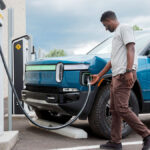
If your EV supports battery preconditioning for fast charging, set a public DC fast charger as a navigation destination before you arrive. A warmer battery can charge much faster than a cold one, which saves time on winter road trips.
Charge Smart During Cold Weather
Keep your EV plugged in when practical, especially overnight. A plugged-in vehicle can use external power to maintain battery temperature and be ready for a scheduled departure. This is more efficient than letting the pack sit cold for hours and then heating it from battery power.
For normal daily use, many drivers keep the battery between 20 and 80 percent. In severe cold, it can make sense to charge higher if your route, weather, or limited charging access requires extra buffer. Avoid making a habit of leaving the vehicle at 100 percent for long periods when it is not needed.
Do not begin a winter trip with a low battery. Keeping the charge above 20 percent is a sensible baseline, and some experts advise a higher minimum during freezing weather because range estimates can be optimistic until the battery and cabin warm up.
Use Heat Wisely
You do not need to freeze to save range. Heated seats and a heated steering wheel warm your body directly and generally use less energy than heating all the air in the cabin. Use them first, then raise cabin heat only as much as necessary.
Set the climate system to a moderate temperature rather than maximum heat. If your EV has eco climate settings, auto climate control, or a driver-only heating mode, use them. Defrost the windows before driving, but avoid running high fan speeds for longer than needed.
Another practical EV winter driving tip is to dress for the season. A warm coat, gloves, and layered clothing reduce your reliance on the heater. On a short commute, this can preserve several miles of range without sacrificing comfort.
Park Where the Battery Stays Warmer
A garage, carport, or covered parking area protects the vehicle from wind, ice, and the coldest overnight temperatures. Keeping the car sheltered helps the battery retain heat, reduces the energy needed for morning preconditioning, and can make charging more predictable.
If covered parking is not available, a fitted vehicle cover can provide some protection from frost and snow. Clear ice from the charging port and connector before plugging in, and keep the charging cable dry. In very cold regions, a charging inlet cover can help prevent the connector from freezing.
Drive Smoothly and Choose the Right Mode
Winter driving rewards patience. Accelerate gently, maintain a steady speed, anticipate stops early, and avoid aggressive braking. Smooth driving reduces energy use and improves control on slippery roads.
Use eco mode when conditions allow. It typically softens acceleration and limits unnecessary power draw, which helps preserve range. If your EV has a snow or winter mode, use it in poor traction because it can adjust throttle response and traction control behavior for safer handling.
Be careful with strong regenerative braking on ice or packed snow. Regeneration is useful for recovering energy, but sudden deceleration can reduce stability on slippery surfaces. If your vehicle allows adjustable regen, choose a lower setting when roads are icy.
Check Tires, Weight, and Route Planning
Cold air lowers tire pressure. Underinflated tires increase rolling resistance, reduce efficiency, and can compromise grip. Check pressures regularly during winter and inflate them to the manufacturer-recommended level.
Remove unnecessary heavy items from the vehicle. Extra weight forces the battery to work harder, and in winter every saved bit of energy matters. Keep essential emergency supplies, but leave behind items you do not need for the journey.
Before a longer trip, plan charging stops with a generous buffer. Use a charging app or in-car navigation to confirm charger availability, and add time for slower winter charging. A good rule is to arrive at a charger with more reserve than you would keep in warmer months.
Protect the Battery for the Long Term
Cold weather is not the main enemy of battery longevity. Repeated extreme heat, consistently very high state of charge, and frequent DC fast charging can contribute more to long-term degradation. Winter care is mostly about reducing temporary range loss and avoiding unnecessary stress.
If the car will sit unused for several days or weeks, aim for a moderate charge level rather than leaving it nearly empty or fully charged. Many guidance sources suggest storing an EV with roughly 30 to 60 percent charge when it will not be driven for a while.
Avoid panic when the displayed range falls sharply on a cold morning. Once the battery warms, efficiency often improves. The displayed estimate is a prediction, not a guarantee, so treat it as a planning tool rather than an exact measurement.
A Practical Winter Routine
A reliable cold weather routine looks like this:
- Plug in overnight whenever possible.
- Schedule preconditioning to finish shortly before departure.
- Use heated seats and steering wheel before full cabin heat.
- Check tire pressure weekly during freezing weather.
- Keep a sensible charge buffer and plan extra charging time.
- Drive smoothly and use winter or eco modes when appropriate.
These EV winter driving tips are not about squeezing out every last mile at the expense of safety. They are about understanding how cold affects an electric vehicle, protecting the battery through sensible habits, and arriving with confidence rather than range anxiety.