If you’re shopping for a used hybrid or you’ve owned one for a few years, there’s a good chance one question keeps nagging at you: how long do hybrid batteries actually last before you’re stuck with a huge repair bill? It’s a fair worry. The battery pack is the most expensive single component in a hybrid vehicle, and horror stories about $6,000 replacement quotes travel fast online.
The real answer is more reassuring than most people expect. Hybrid batteries are lasting longer than they did a decade ago, and outright failure before 100,000 miles is genuinely uncommon on most mainstream models. But “it depends” is still the honest answer, and the details matter a lot if you’re trying to decide whether to buy, keep, or sell a hybrid.
This article breaks down what actually determines hybrid battery lifespan, what replacement really costs in 2026, the warning signs to watch for, and the mistakes owners make that shorten battery life without realizing it.
What Exactly Is a Hybrid Battery?
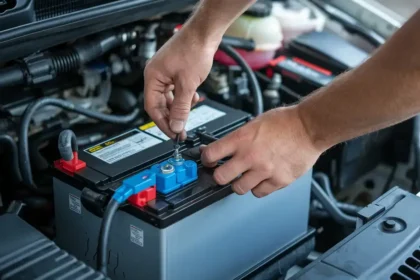
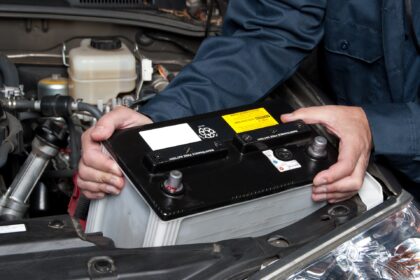
Before getting into lifespan, it helps to know what you’re actually dealing with. A hybrid battery, sometimes called the high-voltage battery, traction battery, or HV pack, is separate from the small 12-volt battery that starts your radio and dashboard electronics. It’s the pack that stores energy for the electric motor, and it’s what makes stop-and-go city driving so fuel-efficient in a hybrid.
Most hybrid batteries fall into two chemistries: nickel-metal hydride (NiMH), used in older and many current Toyota and Honda hybrids, and lithium-ion, increasingly common in newer models including the Prius and various plug-in hybrids. Both types are engineered to handle thousands of partial charge-and-discharge cycles rather than the deep full cycles you’d see in a pure electric vehicle, which is one reason hybrid batteries tend to hold up so well over time.
How Long Do Hybrid Batteries Actually Last?

Under normal conditions, most hybrid batteries last somewhere between 8 and 15 years, or roughly 150,000 to 200,000 miles. Toyota’s hybrid batteries in particular have a strong track record, with many Prius owners reporting original packs still functioning well past 200,000 miles. Honda hybrid batteries have historically shown a somewhat shorter typical service life, often in the 100,000 to 150,000 mile range, though this varies by generation and model.
Manufacturer warranties give a useful signal of how confident automakers are in their own hardware. Toyota, for example, backs the hybrid battery in every 2020-model-year-or-newer hybrid, plug-in hybrid, and fuel cell vehicle for 10 years or 150,000 miles, whichever comes first, and that coverage transfers to subsequent owners at no extra cost. Earlier Toyota hybrids generally carried 8 years or 100,000 miles of coverage. Other automakers offer similar, though not always identical, warranty windows on their hybrid batteries.
It’s worth being honest here: these are typical ranges, not guarantees. Some hybrid batteries fail early due to manufacturing defects, extreme climates, or neglect. Others outlast the rest of the car. Averages are useful for planning, but they can’t tell you exactly what will happen with your specific vehicle.
What Actually Determines How Long Hybrid Batteries Last
Several real-world factors influence how long a hybrid battery pack stays healthy. Understanding them can help you get more life out of the one you have.
Climate and Heat Exposure
Heat is the single biggest enemy of hybrid batteries. Consistently high ambient temperatures accelerate the chemical degradation inside battery cells, which is why hybrids driven for years in hot climates like Arizona or Texas tend to show earlier capacity loss than the same models driven in milder regions. Most hybrid batteries include a cooling system with intake vents, and keeping those vents clear matters more than most owners realize.
Driving Patterns
Hybrid batteries actually tend to do well with frequent, moderate use. Regular stop-and-go driving keeps the battery cycling in a healthy range. Vehicles that sit unused for long stretches, or that see mostly short trips where the system never fully warms up, can experience uneven cell aging over time.
Maintenance and Cooling System Care
Many hybrid batteries rely on airflow from inside the cabin for cooling, with intake vents often located near the rear seats or trunk. Pet hair, dust, and cargo can block these vents without the driver ever noticing. A blocked cooling vent forces the battery to run hotter than intended, which shortens its usable life.
Battery Chemistry and Vehicle Design
Newer lithium-ion hybrid batteries are generally lighter and more energy-dense than older NiMH designs. Still, they’re not universally longer-lasting it depends heavily on the vehicle’s battery management software and thermal design. This is an area where engineering quality varies more between manufacturers than most buyers assume.
Number of Charge Cycles
Every charge-and-discharge cycle causes tiny amounts of wear. Standard hybrids cycle their batteries constantly but only across a narrow portion of total capacity, which is actually gentler on the cells than deep discharges. Plug-in hybrids, which rely more heavily on electric-only range, put their batteries through more complete cycles and can show different aging patterns as a result.
Hybrid Battery Replacement Cost: What to Really Expect
This is usually the part people care about most, so let’s be direct. Hybrid battery replacement cost varies enormously depending on the vehicle, the shop you use, and whether you choose new, remanufactured, or used components.
Typical hybrid battery replacement cost ranges in 2026:
- Independent hybrid specialists (remanufactured or reconditioned battery): roughly $1,300 to $2,500 for common models like the Prius
- Dealership replacement with a new OEM battery: commonly $3,500 to over $5,000, sometimes higher depending on labor rates and parts availability
- Used/salvage hybrid batteries: often $800 to $2,500, though warranty coverage is usually limited or nonexistent
- Plug-in hybrids and larger SUV hybrid batteries: can run higher, sometimes into the $6,000-$8,000 range for premium or performance-oriented vehicles
Labor itself typically isn’t the biggest expense. Most standard hybrid battery replacements take only two to four hours of labor; it’s the parts cost that drives the total bill. This is exactly why shopping around between dealerships and independent hybrid specialists can save you thousands of dollars on the same repair.
Pros and Cons of Hybrid Battery Longevity
Pros:
- Modern hybrid batteries are engineered for high cycle counts, not single full discharges, which supports long real-world lifespan.
- Strong manufacturer warranties (often 8 to 10 years) mean many owners never pay for a replacement out of pocket.
- A well-maintained hybrid battery can outlast the original owner’s time with the vehicle entirely.
- Replacement costs have come down over the past decade as remanufactured and independent options have expanded.
Cons:
- Replacement remains one of the most expensive single repairs a hybrid owner may ever face
- Battery health can be difficult for an average buyer to verify when shopping for a used hybrid
- Hot climates and poor maintenance can shorten lifespan well below the typical range
- Not all hybrid batteries age the same way, making it hard to predict individual failure timing with confidence
Warning Signs Your Hybrid Battery May Be Wearing Out
Hybrid batteries rarely fail without warning. Watch for these signals:
- A noticeable drop in fuel economy compared to when the vehicle was newer
- The gas engine running more often and for longer stretches than it used to
- Reduced power or hesitation, especially going uphill or merging onto highways
- The hybrid system warning light illuminating on the dashboard
- Rapid or erratic fluctuations on the battery charge gauge
If you notice any of these, it’s worth having the battery professionally diagnosed rather than assuming the worst. Sometimes a weak 12-volt auxiliary battery triggers false hybrid warning codes, and that’s a far cheaper fix than a full pack replacement.
Common Mistakes Owners Make With Hybrid Batteries
A few habits quietly shorten the life of hybrid batteries, and most owners have no idea they’re doing them.
- Blocking the cooling vents. Stacking cargo, groceries, or pet carriers against rear-seat or trunk-area vents restricts airflow to the battery and lets it run hotter than designed.
- Ignoring the hybrid warning light. Driving for months with an active warning can turn a manageable issue into a full pack failure.
- Letting the vehicle sit for extended periods. Long-term storage without occasional driving or charging can allow cell imbalance to develop.
- Skipping routine hybrid system checks. Regular maintenance visits often include a battery health scan that can catch problems early.
- Assuming any dashboard warning means the battery is dead. Not every hybrid alert points to the traction battery — proper diagnosis matters before authorizing an expensive repair.
Expert Tips to Extend Hybrid Battery Life
- Park in the shade or a garage when possible, especially in hot climates, since consistent heat exposure is the biggest long-term stressor on hybrid batteries
- Keep cargo away from rear cooling vents, and check your owner’s manual to find exactly where they’re located
- Drive the vehicle regularly rather than letting it sit for weeks at a time
- Get the hybrid battery included in routine service inspections, particularly once the vehicle passes the 80,000 to 100,000 mile mark
- If you’re buying a used hybrid, ask for hybrid battery health documentation or a diagnostic scan before purchase, and factor the vehicle’s climate history into your decision
Hybrid Batteries vs. Full EV Batteries: A Quick Comparison
People sometimes assume hybrid batteries and full electric vehicle batteries wear out the same way. They don’t. Hybrid batteries are smaller, typically in the 1 to 2 kWh range, and cycle across a narrower portion of their capacity, which is part of why they tend to hold up so well relative to their size.
Full EV batteries are far larger, commonly 60 to 100 kWh, and while they’re also built for longevity, their replacement costs run dramatically higher, often $10,000 or more, simply because of the sheer size of the pack. This is one reason hybrid ownership, within the broader category of Hybrid Vehicles, tends to carry a gentler long-term cost profile than full electrification for buyers who are cautious about battery expenses.
Frequently Asked Questions
How long do hybrid batteries actually last on average?
Most hybrid batteries last between 8 and 15 years or roughly 150,000 to 200,000 miles, though this varies by make, model, and climate. Toyota hybrid batteries in particular have a strong reputation for exceeding these ranges.
Do hybrid batteries need to be replaced at a set mileage?
No. There’s no fixed mileage requirement for hybrid battery replacement. Many hybrid batteries are replaced only after clear signs of degradation appear, and plenty of owners never need a replacement during normal ownership.
Is hybrid battery replacement cost worth it compared to buying a new car?
It depends on the vehicle’s overall condition and the specific replacement quote you receive. For a hybrid that’s otherwise mechanically sound, a $1,500 to $2,500 remanufactured battery replacement is often far cheaper than buying a new or newer used vehicle.
Can I drive a hybrid safely if the hybrid battery is degraded but not dead?
Generally yes, though you’ll likely notice reduced fuel economy and the gas engine working harder. It’s still worth having it checked, since a battery in decline can eventually affect performance and reliability.
Do hybrid batteries lose range or capacity in cold weather?
Cold weather temporarily reduces efficiency in hybrid batteries, similar to how it affects your phone battery, but it isn’t as damaging to long-term battery health as sustained heat exposure.
Does the 12-volt battery affect hybrid battery performance?
Yes, indirectly. A weak 12-volt battery can trigger hybrid system warning lights and error codes even when the high-voltage hybrid battery is perfectly fine, which is why it’s often the first thing a technician checks.
Are used or reconditioned hybrid batteries a good option?
They can be, especially from a reputable specialist that load-tests batteries before installation. They’re typically cheaper than new OEM units, though warranty coverage is usually shorter, so it’s worth weighing the savings against the reduced protection.
Should I buy a used hybrid without knowing the battery’s condition?
It’s not ideal. Whenever possible, ask the seller for a hybrid battery diagnostic report, or have an independent hybrid specialist inspect it before you buy. This is one of the most important checks for any used hybrid purchase.
My Personal Opinion
Hybrid batteries have earned a reputation for lasting longer than most people expect, and the data backs that up. Strong manufacturer warranties, improved battery chemistry, and a decade of real-world reliability data all point in the same direction: outright hybrid battery failure isn’t the common outcome it’s sometimes made out to be online.
That said, hybrid battery replacement cost is real, and it’s not something to ignore when budgeting for a hybrid’s later years of ownership. The smartest approach is straightforward; understand what shortens hybrid battery life, keep up with basic maintenance, watch for early warning signs, and shop around if a replacement ever becomes necessary. Do that, and there’s a good chance your hybrid battery will outlast a lot of your other assumptions about it.