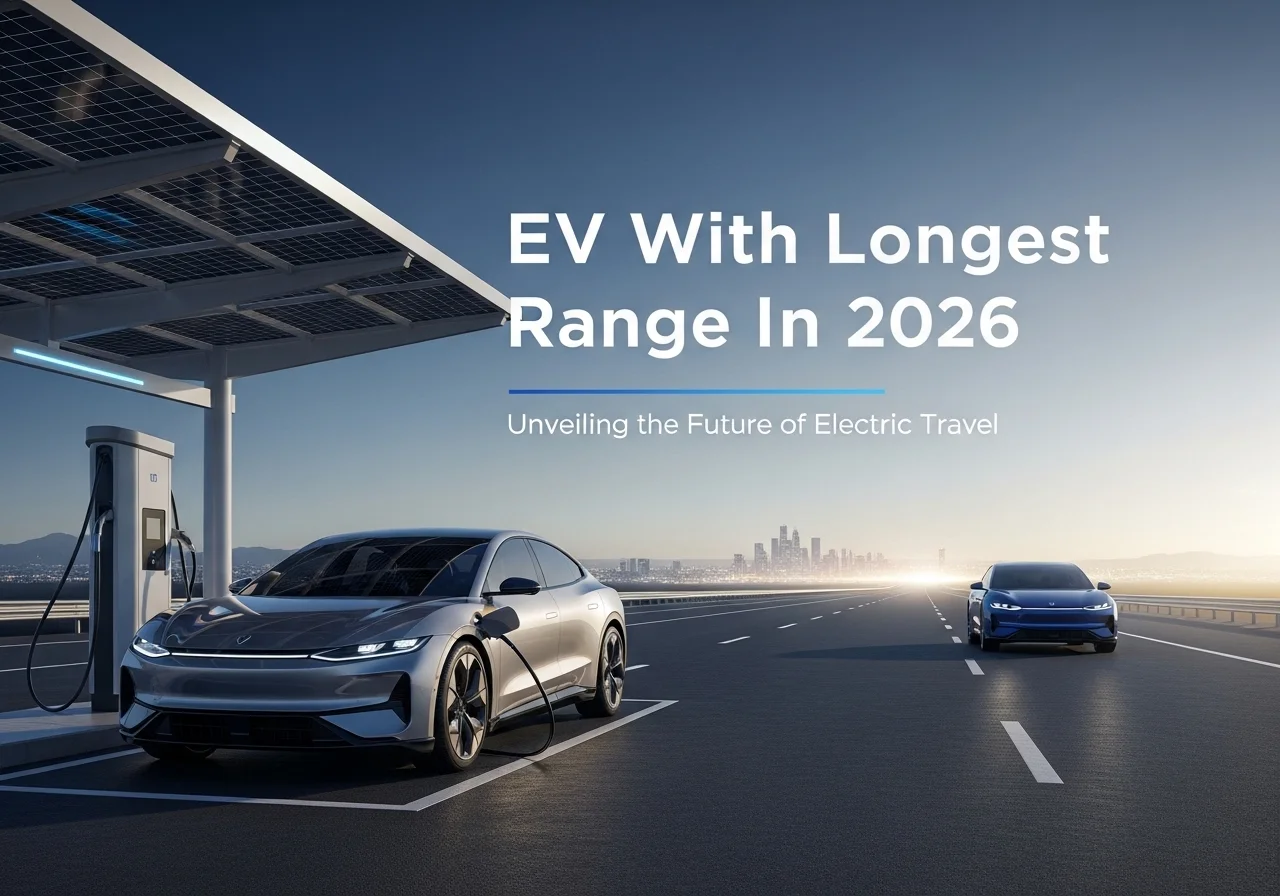
Electric vehicles are no longer just about silent driving and futuristic cabins. In 2026, range has become the biggest battlefield among automakers. Buyers now want EVs that can travel farther, charge smarter, and remove every trace of range anxiety from daily life. From luxury sedans to high-tech SUVs, the race to build the EV with longest range is creating some of the most advanced vehicles the industry has ever seen.
For drivers planning long highway journeys, premium touring experiences, or simply fewer charging stops, 2026 is shaping up to be a breakthrough year. Several manufacturers are pushing beyond the 800-kilometer barrier, proving that electric mobility is entering a new era of confidence and practicality.
Lucid Air Dominates the Long-Range EV Race
When discussing the EV with longest range, the conversation starts with the Lucid Air. Projected to deliver up to 512 miles of driving range, which equals around 824 kilometers, the Lucid Air stands at the very top of the EV hierarchy in 2026.
What makes the Lucid Air remarkable is not only the huge battery capacity but also its engineering efficiency. The sleek aerodynamic body, advanced battery management system, and lightweight architecture allow the sedan to travel extraordinary distances on a single charge. For enthusiasts who enjoy cross-country journeys without constant charging interruptions, the Lucid Air represents the ultimate electric grand tourer.
BMW iX3 Emerges as a Serious Challenger
The upcoming BMW iX3 is expected to become one of the biggest surprises of 2026. Some projected figures suggest more than 500 miles or over 800 kilometers of range, placing it directly among the leaders.
BMW appears focused on balancing luxury, efficiency, and real-world usability. Unlike many electric SUVs that prioritize aggressive styling alone, the iX3 is expected to deliver refined driving dynamics with exceptional energy optimization. This combination could make it one of the most complete Electric SUVs on the market.
Mercedes-Benz Continues Its Efficiency Revolution
Mercedes-Benz EQS remains one of the most technologically advanced EVs available. The EQS 450+ is projected to offer more than 480 miles of WLTP-rated range in 2026, keeping Mercedes firmly inside the elite range category. Mercedes-Benz has focused heavily on aerodynamic efficiency. The EQS carries one of the lowest drag coefficients ever seen on a production vehicle, helping maximize every unit of stored battery energy. The result is smooth, silent cruising that feels almost effortless on highways.
Alongside the EQS, the new Mercedes-Benz CLA Electric is expected to deliver approximately 484 miles of WLTP range. That figure is especially impressive considering the CLA is positioned below the flagship EQS in size and price. Mercedes is clearly proving that efficiency is no longer limited to ultra-expensive halo vehicles.
Tesla Still Holds Strong Position
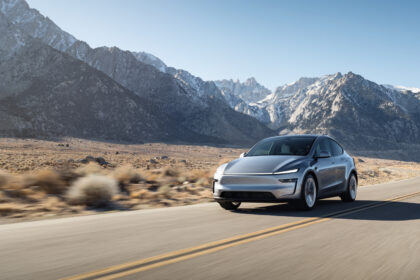
No discussion about electric range leadership feels complete without Tesla Model S and Tesla Model 3 Long Range. Even as competitors close the gap, Tesla remains one of the strongest names in EV efficiency.
The Tesla Model S is expected to reach around 466 miles of WLTP range in 2026. While it may no longer wear the absolute crown, its combination of acceleration, charging infrastructure, and software integration still keeps it among the top long-distance EVs.
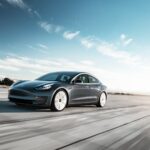
Meanwhile, the Tesla Model 3 Long Range continues to impress with approximately 750 kilometers of WLTP efficiency. Its smaller size and lighter structure allow it to extract remarkable distance from a relatively compact package. For many buyers, this balance between affordability and range makes the Model 3 one of the smartest EV choices available.
Lucid Gravity Leads the SUV Segment
SUV buyers are no longer willing to compromise on driving range, and the Lucid Gravity answers that demand perfectly. Expected to achieve around 450 miles of range, it is projected to become the longest-range electric SUV of 2026.
The Gravity combines family practicality with luxury-level innovation. Spacious seating, advanced software systems, and ultra-fast charging technology help position it as a flagship SUV for the modern electric era. Unlike traditional large SUVs that sacrifice efficiency due to weight and size, Lucid’s engineering philosophy appears focused on maximizing energy usage without compromising comfort or performance. That strategy could reshape expectations for premium electric SUVs moving forward.
Why Long Range Matters More Than Ever
The importance of owning an EV with longest range goes beyond headline numbers. Greater range changes the entire ownership experience. Drivers can travel longer distances with confidence, spend less time charging, and enjoy greater flexibility during road trips.
Charging networks are expanding rapidly worldwide, but long-range capability still remains one of the strongest selling points for premium EVs. Buyers increasingly judge electric vehicles based on how naturally they fit into everyday life. The closer an EV feels to the convenience of traditional fuel-powered touring, the more attractive it becomes to mainstream audiences.
The Future of High-Range Electric Vehicles
Battery technology is evolving faster than many experts predicted. Improved energy density, better thermal systems, and next-generation platforms are allowing automakers to push beyond limits that once seemed impossible.
Solid-state batteries may eventually take range figures even higher, while lighter materials and smarter aerodynamics will continue improving efficiency. By the end of the decade, today’s 500-mile EVs could become the new normal rather than rare engineering achievements.
Our Thoughts
The battle for the EV with the longest range in 2026 showcases how far electric mobility has evolved. The Lucid Air currently appears ready to dominate with an astonishing 512-mile range, while challengers like the BMW iX3, Mercedes-Benz EQS, and Tesla Model S continue raising expectations across every segment.