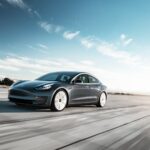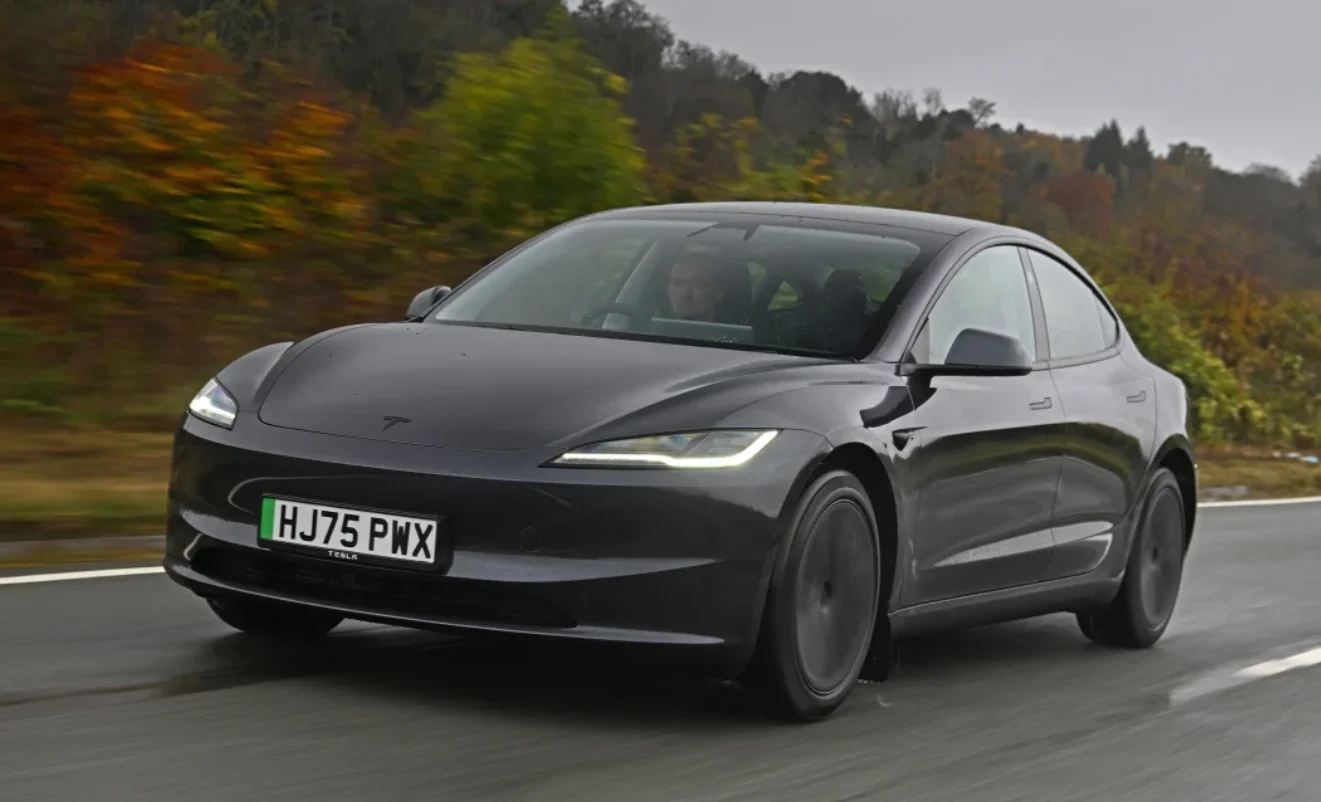
The electric vehicle revolution continues to accelerate, and the 2026 version of the Tesla Model 3 proves why it remains one of the most influential EVs on the road. Since its debut, this compact electric sedan from Tesla has been known for blending technology, performance, and efficiency in a way that reshaped expectations for modern cars.
For the 2026 model year, the vehicle builds on the improvements introduced during the “Highland” refresh. The latest update focuses on better efficiency, improved comfort, and a wider lineup that now includes a more affordable entry-level trim. With multiple configurations, impressive range figures, and advanced technology, the sedan continues to compete strongly among the Top 10 electric cars 2026.
A Refined Electric Sedan for 2026
Tesla has expanded the lineup to give buyers more options depending on their budget and driving needs. Previously, buyers had to choose between higher-end trims, but the addition of a new entry-level variant makes the car more accessible to a broader audience.
Despite the introduction of a lower-priced version, the core identity of the sedan remains the same. It still delivers impressive acceleration, long driving range, and the seamless digital experience that drivers have come to expect from Tesla vehicles.
Trim Levels and Performance Options
For 2026, buyers can choose from four main configurations, each designed to suit different priorities such as affordability, range, or outright performance.
The Standard trim comes with rear-wheel drive and delivers an estimated 0–60 mph acceleration time of around 5.8 seconds. Its EPA-estimated range is approximately 321 miles, making it a practical option for everyday commuting and longer trips. With an estimated starting price of around $38,630, it represents the most affordable way to enter the lineup.
The Premium Rear-Wheel Drive model steps up performance and range. It can accelerate from 0–60 mph in about 4.9 seconds and offers an impressive estimated range of 363 miles. This version is aimed at drivers who want greater efficiency and smoother driving dynamics without stepping into all-wheel drive territory.
Next is the Premium All-Wheel Drive configuration. With dual motors powering both axles, acceleration improves to around 4.2 seconds from 0–60 mph. It also maintains a strong estimated range of 346 miles, offering a balance between performance and long-distance capability.
At the top of the lineup sits the Performance model. Designed for enthusiasts, it can sprint from 0–60 mph in an estimated 2.9 seconds. While its range is slightly lower at around 309 miles, the thrilling acceleration and sporty handling make it the most exciting variant in the range.
Wheel selection can also influence range and performance. Buyers can choose between 18-inch and 19-inch wheels, with the smaller wheels typically offering better efficiency.
The New Standard Trim Brings Accessibility
One of the most significant changes for 2026 is the introduction of a new Standard trim. Tesla designed this variant to bring the price down while still maintaining the core driving experience.
To achieve a lower price point, several luxury features from the Premium models have been removed. The interior has been simplified, meaning it no longer includes the second-row 8-inch touchscreen, ambient lighting, or ventilated front seats. While these features add comfort and style, their removal helps reduce the cost for buyers entering the EV market.
There are also a few mechanical differences. The Standard version uses a slightly smaller battery pack, which explains its lower range compared to higher trims. It also lacks the frequency-dependent shock absorbers found in the Premium models, which results in a firmer ride.
Some hardware adjustments were made as well. The steering wheel is manually adjustable rather than electronically controlled, and the Autosteer feature is not included as standard equipment.
Even with these simplifications, the Standard version still offers strong range and performance, making it a compelling choice for drivers looking for an affordable electric sedan.
Technology and Infotainment Experience
Technology remains one of the defining aspects of the car. The interior is centered around a massive 15.4-inch touchscreen that controls almost every vehicle function, from climate settings to navigation and entertainment.
For 2026, Tesla introduced Grok AI integration into the infotainment system. This AI assistant helps drivers with navigation, voice commands, and general queries while on the road. The system enhances the digital driving experience and adds another layer of convenience to daily use.
One of the most interesting updates for 2026 is the return of a physical indicator stalk on the steering column. Earlier versions removed traditional stalk controls, but user feedback led Tesla to bring them back, improving usability and driver familiarity.
Charging also remains one of the strongest advantages of Tesla ownership thanks to access to the Tesla Supercharger Network. Depending on the trim level, the car can charge at speeds of roughly 175–250 kW. Under ideal conditions, this means drivers can add around 140 to 195 miles of range in about fifteen minutes.
Safety Features and Software Updates
Safety continues to play a major role in Tesla’s vehicle philosophy. Every model includes the Autopilot driver assistance suite, which offers features such as emergency braking, lane support, and blind-spot monitoring.
The 2026 software update also introduced a new Child Left Alone Detection feature. If the system detects that a child may have been left inside the vehicle, it sends an alert to the owner’s smartphone through the Tesla app. This feature is designed to improve safety and prevent tragic accidents.
Tesla’s software-focused approach means many features continue to evolve through over-the-air updates. This allows the vehicle to gain new capabilities and improvements even after it has been purchased.
Maintenance and Ownership Experience
Electric vehicles typically require less maintenance than traditional gasoline cars, and this model is no exception. Instead of following strict service intervals, Tesla uses a condition-based maintenance approach.
The car continuously monitors its own systems and notifies the driver when service is required. This could include checks for brake fluid, cabin air filters, or other components that need attention over time.
The warranty coverage is also competitive. The basic vehicle warranty lasts for four years or 50,000 miles. The battery and drive unit are covered for eight years, with mileage limits ranging from 100,000 to 120,000 miles depending on the trim level. Tesla also guarantees that the battery will retain at least 70 percent of its original capacity during the warranty period.
What we think
The 2026 update demonstrates how Tesla continues to refine one of the most recognizable electric sedans in the industry. By introducing a more affordable entry trim while maintaining strong performance options, the company has expanded the appeal of this already popular EV.
Drivers can choose a configuration that matches their needs, whether they prioritize affordability, long range, or thrilling acceleration. Combined with advanced technology, strong charging infrastructure, and continuous software updates, the vehicle remains a compelling option in today’s EV market.