In what is becoming a recurring theme across the global EV industry, Xiaomi has hired Dieter Lorenz, Tesla’s former Senior Manager of Delivery Operations for Central Europe, as its new Head of Delivery & Logistics Europe. The move is one of the clearest indicators yet that Xiaomi is building a serious, ground-level operational presence in Europe well ahead of its confirmed 2027 market entry.
Lorenz announced his departure on LinkedIn, writing that he is looking forward to his next chapter at Xiaomi Technology. The post attracted congratulatory messages from dozens of former Tesla colleagues, including another former Tesla operations employee in Europe who appears to have also made the jump to Xiaomi, suggesting this is part of a deliberate, coordinated recruitment strategy, not a coincidence.
This is not a symbolic hire. Bringing on someone with Lorenz’s specific operational depth in European delivery logistics, multi-country coordination, and port-to-customer vehicle handover is exactly what a company needs when it intends to physically deliver cars to consumers across more than a dozen markets with differing regulations, registration systems, and consumer expectations.
Six years of Tesla logistics expertise, now working for the competition
Lorenz’s trajectory at Tesla is worth understanding in detail because it explains precisely why Xiaomi went after him. He joined Tesla in Germany in early 2020 as an Operations Supervisor, then steadily expanded his scope first to Operations Manager for Germany, then to cover Germany, Poland, and the Czech Republic, and eventually all of Central Europe. By September 2024, he held the title of Senior Manager of Delivery Operations for Central Europe, one of the most operationally critical regional roles Tesla maintains on the continent.
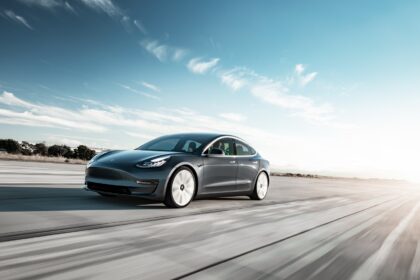
During his tenure, Lorenz was present and actively involved as Tesla dramatically scaled its European delivery capabilities, including the rollout of Model 3 and Model Y deliveries sourced from China. That experience is directly transferable to what Xiaomi will need to execute: launching an EV brand in Europe with vehicles manufactured in China, navigating the logistical complexities of customs, port operations, last-mile delivery, and local registration across multiple countries simultaneously.
His knowledge of the exact infrastructure, partner networks, and process frameworks that underpin Tesla’s European delivery machine is now available to Xiaomi to leverage.
A broader buildout of European operations is underway.
The Lorenz appointment fits into a larger pattern of Xiaomi quietly and methodically building a full European operational team. In September 2025, the company opened a European R&D and Design Center in Munich, led by Rudolf Dittrich, a former BMW Motorrad executive, and Kai Langer, who previously served as head of design at BMW i. That Munich center was widely interpreted at the time as Xiaomi’s strategic beachhead for European expansion, a foothold that would grow.
It has grown. Xiaomi is now actively recruiting for roles that go far beyond design and engineering. Reports indicate the company is searching for a country manager, a head of retail operations, and vehicle logistics specialists across Germany, France, and Spain, the three largest EV markets in continental Europe. Add the Head of Delivery & Logistics appointment to those searches, and what emerges is the organizational skeleton of a fully functional automotive sales and distribution operation.
This is the infrastructure a company builds when it intends to deliver cars to real customers, not the infrastructure of a company still exploring whether it wants to enter a market.
| 410,000+ | 550,000 | 15,000 | −27.8% |
| Xiaomi EVs delivered in 2025 | Xiaomi’s 2026 delivery target | SU7 orders in 34 minutes | Tesla Europe registrations, 2025 |
Part of a sustained Tesla talent drain at a critical moment
Lorenz’s departure is one data point in what has become a sustained, multi-function exodus of experienced talent from Tesla. The trend has been documented across finance, engineering, manufacturing, sales, program management, and, now, twice in European delivery operations: once with Lorenz and again with the unnamed colleague who appears to have followed him to Xiaomi.
The timing is particularly damaging for Tesla in Europe. The company’s European registrations fell sharply throughout 2025, with full-year figures dropping nearly 28% to approximately 235,000 units. Losing the people who know how to run efficient delivery operations across the continent at the precise moment when European sales are already under pressure compounds a compounding problem. Operational knowledge is not easily or quickly replaced.
Earlier this year, Xiaomi also hired Kong Yanshuang, Tesla’s former China General Manager, to lead its global automotive sales operations. The pattern of Xiaomi specifically targeting Tesla’s most experienced operational and regional leaders is now unmistakable.
Xiaomi’s momentum makes it an increasingly attractive destination.
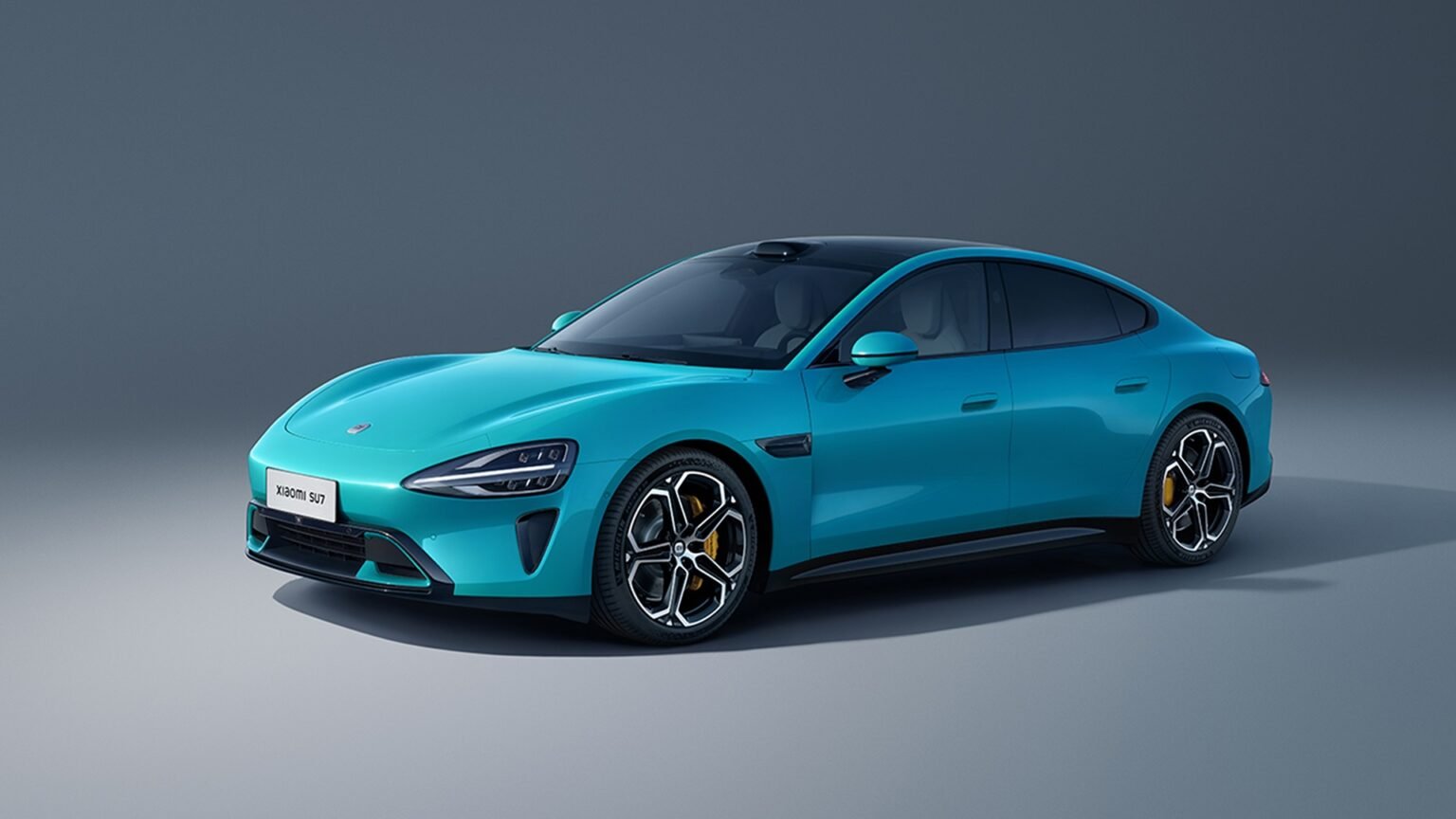
For talented automotive professionals considering a move, Xiaomi presents a compelling case. The company delivered over 410,000 EVs in 2025 and is targeting 550,000 units in 2026, growth figures hard to find elsewhere in the industry right now. Its refreshed SU7 sedan accumulated 15,000 orders in just 34 minutes, demonstrating serious consumer demand and brand heat in its home market.
The upcoming European launch adds another dimension of appeal: the chance to build something from the ground up. For an operations veteran like Lorenz, designing and establishing a continent-wide delivery and logistics infrastructure for a fast-growing EV brand is a rarer opportunity than managing an existing one. Tesla provided the training; Europe provides the canvas.
What this means for Xiaomi’s European EV entry strategy
The strategic logic of Xiaomi’s hiring approach is coherent and deliberate. Rather than building its European delivery and logistics infrastructure through trial and error, the company is shortcutting the learning curve by hiring the people who already built and managed similar infrastructure at the only other Chinese-origin EV brand to have successfully scaled in Europe.
The 2027 target launch date, which Xiaomi has officially confirmed, leaves roughly 12 to 18 months to stand up the full operational stack: logistics partnerships, dealer or direct-sales infrastructure, service and after-sales networks, registration processes in each market, and the last-mile delivery workflows that determine whether a customer’s buying experience is smooth or frustrating. That timeline is tight, which is precisely why the company is hiring now.
By the time Xiaomi’s first production vehicles arrive at European ports, the goal is to have the people, processes, and partnerships already in place. Dieter Lorenz, with his six years of Tesla-honed expertise in exactly this domain, is a central part of that plan.
Xiaomi Poaches Tesla – Key Takeaway
When Xiaomi poaches Tesla’s delivery operations manager for Europe, it is not simply filling a vacancy; it is acquiring institutional knowledge that took years to develop and cannot be replicated quickly. Combined with its Munich design center, ongoing country-level recruitment, and a string of senior Tesla hires across sales and operations, Xiaomi is assembling the components of a serious, credible European automotive business. The 2027 launch is no longer a distant ambition. It looks increasingly like an operational reality in progress.