The global automotive landscape in 2026 feels different. The excitement around electric mobility is no longer just about rapid expansion or government subsidies. Instead, the industry is entering a more mature and stable phase, where innovation, affordability, and infrastructure define success. The Electric vehicles market is transitioning from explosive early growth into a more balanced and structural expansion, setting the stage for long-term sustainability.
Market Share Reaches New Heights
One of the most impressive indicators of progress is the growing market share of electric vehicles. In early 2026, battery electric vehicles captured 18.8 percent of the market in the European Union, a clear rise from 15.2 percent in 2025. Globally, EV sales are expected to reach 27.5 percent of total vehicle sales.
This growth highlights a crucial turning point. Electric vehicles are no longer niche products aimed at early adopters. They are becoming mainstream, appealing to families, businesses, and everyday drivers. The Electric Market Expansion is now visible on roads across continents, from compact city cars to long range SUVs.
Affordable EVs Changing the Game
Affordability has emerged as one of the most powerful forces shaping the industry in 2026. For years, high prices were a barrier to mass adoption. Today, that barrier is steadily disappearing.
Automakers are introducing a new wave of budget friendly electric cars, with many models priced between £25,000 and £30,000. Vehicles like the Renault 5, Nissan Micra, and Dacia Spring are redefining expectations by offering practical range and modern features at accessible prices. This shift is crucial for the Electric vehicles market, as it opens the door for a much wider audience. Buyers who once hesitated due to cost are now stepping into showrooms with renewed interest. The narrowing gap between electric and traditional internal combustion vehicles is accelerating adoption at a remarkable pace.
Fleet Electrification Driving Growth
While individual buyers play an important role, the real backbone of growth in Europe comes from fleet electrification. Corporations are increasingly transitioning their vehicle fleets to electric models, driven by sustainability goals and financial incentives. Benefit in Kind tax policies in several European countries are encouraging companies to adopt electric vehicles for their employees. This has created a steady and reliable demand stream that supports the broader Electric Market opportunities.
China’s Dominance and Global Competition
China continues to lead the global EV revolution with unmatched momentum. Holding over 50 percent of the global market share, it stands as the primary manufacturing hub for electric vehicles. Chinese automakers are not only dominating domestically but also expanding aggressively into international markets. Their ability to produce affordable, high quality EVs at scale is reshaping global competition.
Meanwhile, Western manufacturers are taking a more measured approach. Instead of chasing rapid growth, they are focusing on scaling sustainably. Supply chain challenges and cost pressures have pushed them to prioritize profitability and long term stability.
Charging Infrastructure Expands Rapidly
A strong charging network is essential for the success of electric mobility, and 2026 is proving to be a breakthrough year. Across Europe, 96 percent of countries met their public charging infrastructure targets by the end of 2025.
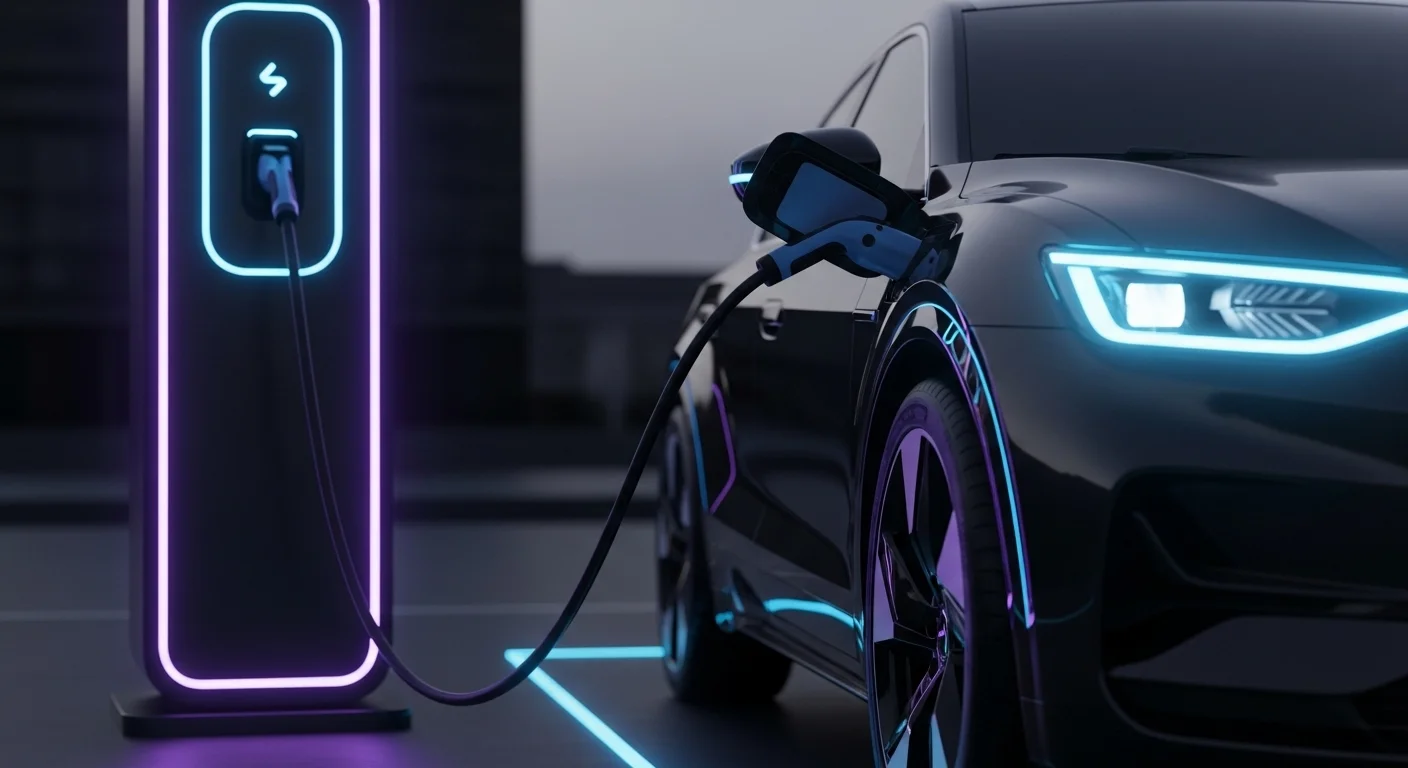
This expansion is transforming the driving experience. Range anxiety, once a major concern, is gradually fading as charging stations become more accessible and reliable. Fast chargers with capacities of 150 kW or more are becoming common, allowing vehicles to charge from 10 percent to 80 percent in just 20 to 25 minutes.
Technology Advancements Enhancing Appeal
Technology continues to elevate the appeal of electric vehicles. In 2026, the average EV offers a driving range of around 300 miles, a figure that meets the needs of most drivers comfortably. Battery efficiency, software integration, and performance improvements are creating vehicles that are not only eco friendly but also exciting to drive. Instant torque, quiet cabins, and advanced connectivity features are redefining what drivers expect from their cars.
Regional Growth Patterns Tell Different Stories
The global EV market is not growing uniformly. Each region presents its own unique story. In Europe, countries like Germany and France are experiencing strong growth, with increases of 26.3 percent and 38.5 percent respectively in early 2026. However, some markets such as the Netherlands have seen a decline, showing that adoption can vary based on policy changes and incentives.
In the United States, the market faces a more complex environment. Shifting federal incentives have created uncertainty, yet the increasing availability of new models continues to support long term growth. China remains the powerhouse, driving global production and innovation. Its dominance ensures that the Electric vehicles market remains dynamic and competitive on a global scale.
Challenges in a Maturing Industry
Despite the impressive progress, the industry is not without challenges. The phrase “EV winter” has emerged to describe the slowdown in growth compared to the rapid expansion between 2020 and 2024.
This does not mean decline. Instead, it reflects a shift toward a more mature phase where profitability and sustainability take priority over sheer volume. Automakers are now focusing on building strong business models rather than chasing aggressive sales targets.
The Road Ahead for Electric Mobility
The journey of electric vehicles in 2026 is one of transformation and balance. The industry is moving beyond hype into a phase of real world impact and long term viability.
For WheelsWind, this is an exciting moment to witness and share. The roads of the future are being built today, powered by electricity and driven by innovation. As the industry evolves, one thing is clear. Electric mobility is no longer the future. It is the present, and it is here to stay.