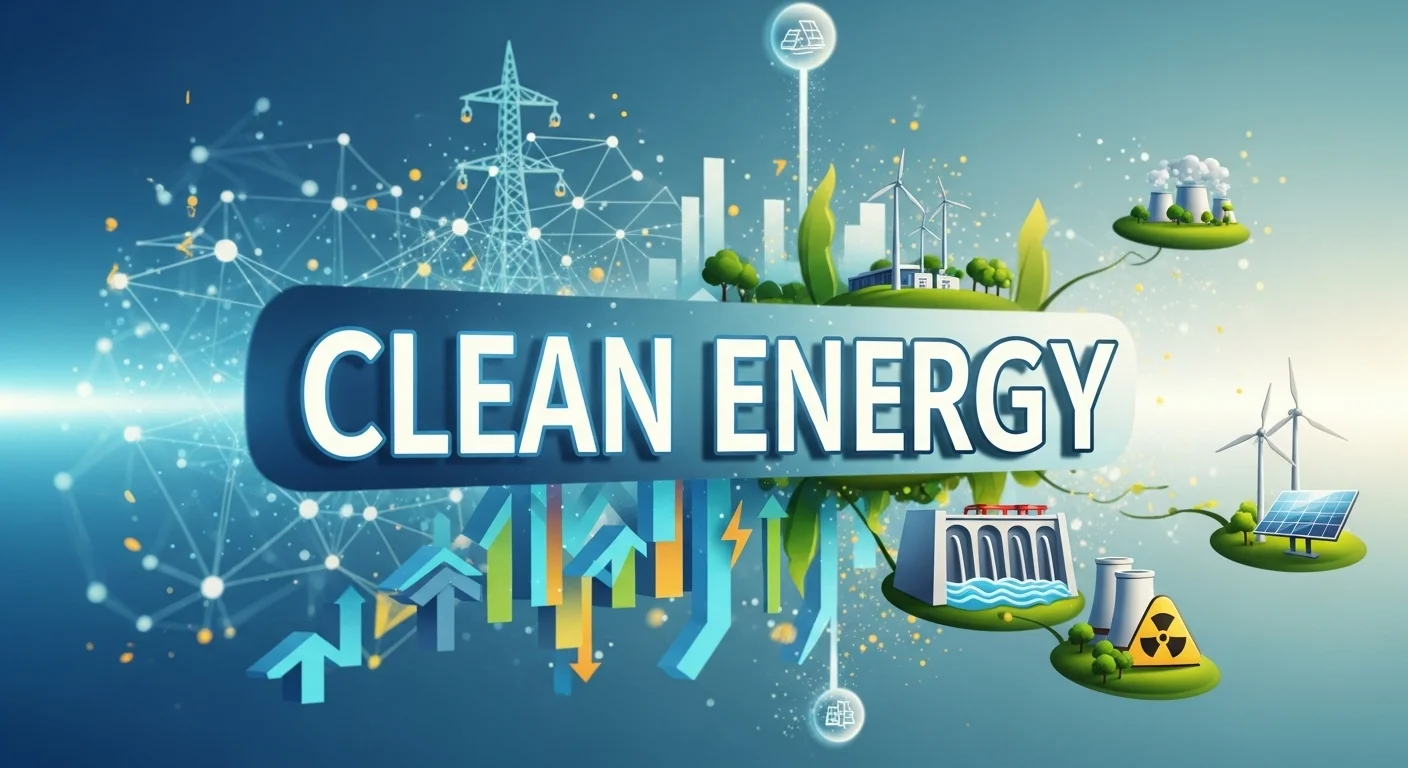
The world is stepping into a transformative phase where clean energy is not just an alternative but the driving force behind global progress. From bustling cities to emerging economies, electricity demand is rising rapidly, and the shift toward sustainable sources is reshaping industries. At the heart of this evolution lies the electric market, a sector that is accelerating faster than ever as nations and businesses align with greener goals.
Clean energy is now the backbone of electricity market expansion. Renewables are outpacing fossil fuels, ensuring that growing global demand especially from AI technologies, data centers, and modern transportation is met efficiently. This is not just an environmental shift, it is an economic and technological revolution.
Solar and Wind Leading the Charge
One of the most exciting developments in recent years has been the dominance of solar and wind power. Solar energy, in particular, has taken center stage. Between 2022 and 2024, global solar capacity doubled, marking one of the fastest energy transitions in history. Today, solar stands as the cheapest source of new electricity in most parts of the world.
In the first half of 2025, a remarkable milestone was achieved. The growth in solar and wind energy generation exceeded the total increase in global electricity demand for the first time. Solar alone contributed over 80 percent of new electricity generation during this period, signaling a powerful shift toward sustainability. This surge in renewable energy is directly fueling the electric vehicles market, as clean electricity ensures that EVs are truly sustainable from production to daily use. The connection between renewable power and electric mobility is becoming inseparable.
Electrification Transforming Transport and Industry
The ongoing “electrotech” revolution is redefining how energy is consumed across industries. Electricity is rapidly replacing fossil fuels as the primary energy carrier, powering everything from manufacturing plants to household heating systems.
Transportation is one of the most visible beneficiaries of this shift. Electric vehicles are no longer niche products; they are becoming mainstream choices for consumers worldwide. As infrastructure improves and charging networks expand, the electric market continues to grow at an impressive pace.
Rising Demand from AI and Data Centers
Another fascinating aspect of this expansion is the role of artificial intelligence and data centers. As digital technologies grow, so does the demand for electricity. AI-driven systems, cloud computing, and large-scale data processing require enormous amounts of energy.
Tech companies are now prioritizing clean energy to meet their sustainability goals by 2030. This has created a unique synergy between technology and renewable power. Clean electricity is no longer just about reducing emissions; it is about enabling the future of innovation. This increased demand also indirectly boosts the Electric market opportunities, as energy infrastructure becomes more robust and efficient, supporting both digital ecosystems and electric mobility.
Cost Competitiveness Driving Adoption
One of the strongest arguments in favor of clean energy is its cost advantage. Today, more than 90 percent of new renewable energy projects are cheaper than fossil fuel alternatives. Solar and offshore wind, in particular, have significantly reduced energy costs across regions.
This affordability is a game-changer. Lower electricity costs make electric vehicles more attractive to consumers, reducing the total cost of ownership. As a result, the vehicles market is not just growing due to environmental awareness but also because it makes financial sense.
For consumers, this means access to modern, efficient, and cost-effective vehicles. For businesses, it means lower operational costs and a step toward sustainability.
Regional Powerhouses Leading the Transition
Different regions around the world are contributing uniquely to this clean energy revolution. China stands out as a global leader, often referred to as the world’s first “electrostate.” It accounts for over half of global solar growth and an impressive 60 percent of global EV sales. In 2023 alone, clean energy contributed around 40 percent of China’s economic growth.
Europe is also making significant strides. The European Union is actively transitioning toward renewable energy to achieve its 2050 net-zero targets. By mid-2025, solar power had already become the largest source of electricity in some parts of Europe.
The Role of Energy Storage and Infrastructure
While the progress is impressive, challenges remain. One of the biggest hurdles is grid infrastructure. In regions like Europe, grid congestion is slowing down the deployment of renewable energy projects. Energy storage is another critical factor. Solar and wind power are intermittent by nature, meaning they do not produce energy continuously. Advanced battery technologies are essential to store excess energy and ensure a stable power supply.
The rise of battery innovation is closely linked to the automotive industry. As battery technology improves, electric vehicles become more efficient, affordable, and practical. This further accelerates the growth of the electric market, making it a cornerstone of the clean energy transition.
Investment Surge and Future Outlook
The future of clean energy looks incredibly promising. The global renewable sector is witnessing massive investment, with 793 gigawatts of new capacity expected in 2025 alone. This represents an 11 percent increase compared to 2024, highlighting the strong momentum behind this transformation. As investments continue to flow, technological advancements will further enhance efficiency and accessibility. From faster charging solutions to longer battery life, the innovations in this space will redefine mobility.
A Roadmap to a Sustainable Future
The expansion of the electricity market driven by clean energy is more than just a trend; it is a global movement. It is redefining how we generate power, how we use it, and how we move.The electric market stands as a powerful symbol of this transformation. It represents not only technological progress but also a collective commitment to a cleaner, more sustainable world.